Sudden Cardiac Death is the number one killer in the UK
Drickus Maartens • June 2, 2020

World Heart Rhythm Week, the brainchild of Arrhythmia Alliance, is highlighting the importance of knowing and understanding our heart rhythms. As many are aware, this year will be quite different for us all. Due to the Coronavirus and recent government regulations, we are encouraging supporters to get involved online and spread awareness. Arrhythmia Alliance World Heart Rhythm Week will be held from 1 - 7 June. We are asking the public and healthcare professionals to support our mission to raise awareness of arrhythmias (irregular heart rhythms) on all social media platforms. Supporters can host online awareness events as well as share, promote and spread the word on social media.
Arrhythmia (irregular heart rhythm disorder) is the number one killer in the UK and causes up to 100,000 sudden cardiac arrests (SCA) each year killing more people than breast cancer, lung cancer and Aids combined. 80% of these deaths could be avoided if more people were aware of their heart rhythm (and not just their heart rate). Something as simple as Knowing Your Pulse to Know Your Heart Rhythm, can save your life or reduce your risk of a debilitating or life-threatening Atrial Fibrillation (AF) related stroke – the most severe type of stroke. It only takes 30 seconds. It’s so simple that people of all ages, young and old, can learn how to do it.
Trudie Lobban MBE, Founder and Trustee of Arrhythmia Alliance stated that, “During these unprecedented times, it is vital that we all take charge of our health and encourage others to do the same. Arrhythmias cause more deaths worldwide than cancer, affecting anyone of any age, yet we choose to ignore the most important organ in our body – our heart. Our key message this year is Don’t Miss A Beat. We are asking people to ‘listen’ to your heart – is the rhythm too fast? Is it too slow? Is the rhythm irregular? That may be your heart telling you something is wrong. With the introduction of mobile EKGs apps and smartwatches, there really is no excuse why everyone should not be aware of their heart rhythm.”
Why it is important to Know Your Pulse
- Arrhythmias cause up to 100,000 sudden cardiac deaths in the UK each year – over 250 every day, more than breast cancer, lung cancer and AIDS combined.
- Sudden cardiac death (SCD) and arrhythmia account for 15–20 % of all deaths worldwide.
To find out how to ‘Know Your Pulse’ call us for information or visit www.knowyourpulse.org
to learn in 4 easy steps.
Arrhythmia Alliance has a team ready to hear from people who are concerned. If you have questions or would like more information, please call today. A simple call could save your life and those of your loved ones.
“Don’t Miss A Beat”
Join Arrhythmia Alliance on Wednesday 3 June 2020. We will be holding an Arrhythmia Alliance World Heart Rhythm Week Arrhythmia Patient Q&A Day across our social media. We aim to educate as many people as possible about arrhythmias and help arrhythmia patients understand more about their condition. Between 9am and 5pm a new question and answer will be posted each hour and EXCLUSIVE videos with world renowned doctors and professors will be uploaded throughout the day. For more, visit our Facebook, Instagram and Twitter pages below:
Facebook: @ArrhythmiaAlliance Instagram: @KnowYourPulse Twitter: @ArrhythmiaAlliance
For more information on Arrhythmia Alliance and how to get involved in World Heart Rhythm Week visit www.worldheartrhythmweek.org.

A workplace accident left assistant mechanic Theunis du Plessis with a steel reinforcing rod passing through his chest, entering under his arm and exiting through his opposite shoulder. Dr Sanju Sobnach and his team faced an extraordinary trauma case.

15 September marks World Lymphoma Awareness Day, and CANSA is joining the global call to ensure that no person affected by lymphoma has to navigate their diagnosis, treatment, and recovery alone.

There’s a perception that vaping is harmless, but it is highly addictive and poses serious health risks. Pulmonologist Dr Mahomed Seedat warns about the dangers.

The immune system protects us from viruses, bacteria and cancer. According to Dr Lukas Moolman, the goal of a healthy immune system is to be smarter and balanced.
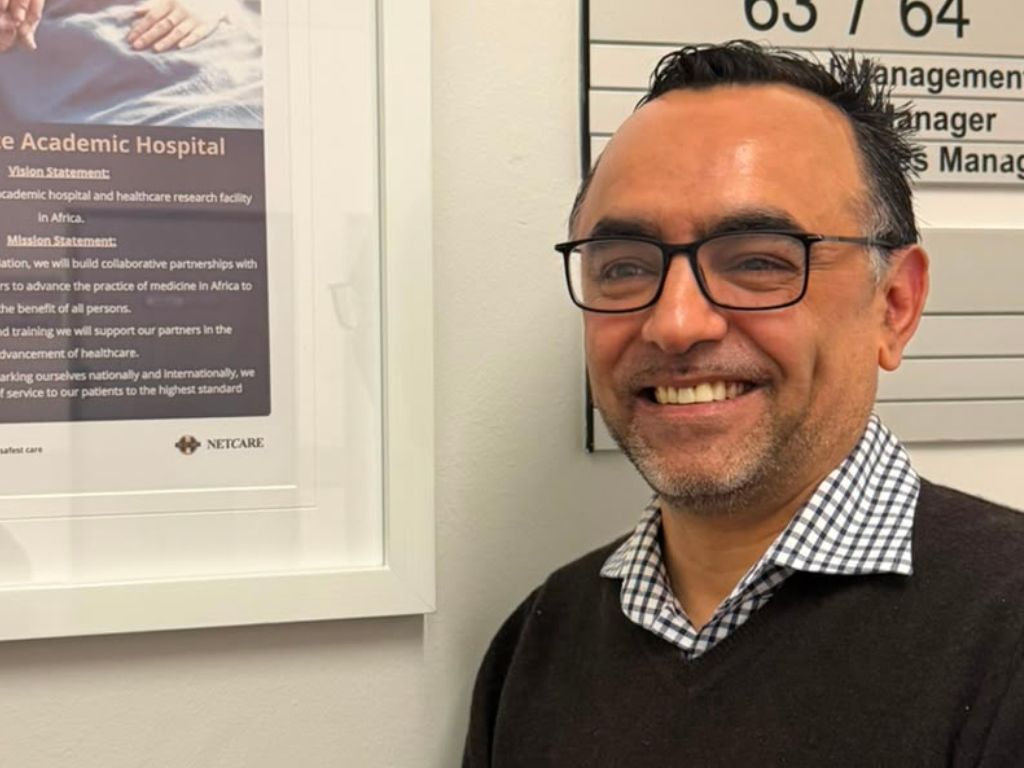
Gastroenterologist Dr Nasief van der Schyff shares seven tips for managing acid reflux and explains when to seek help if you suspect you have GORD (gastro-oesophageal reflux disease).
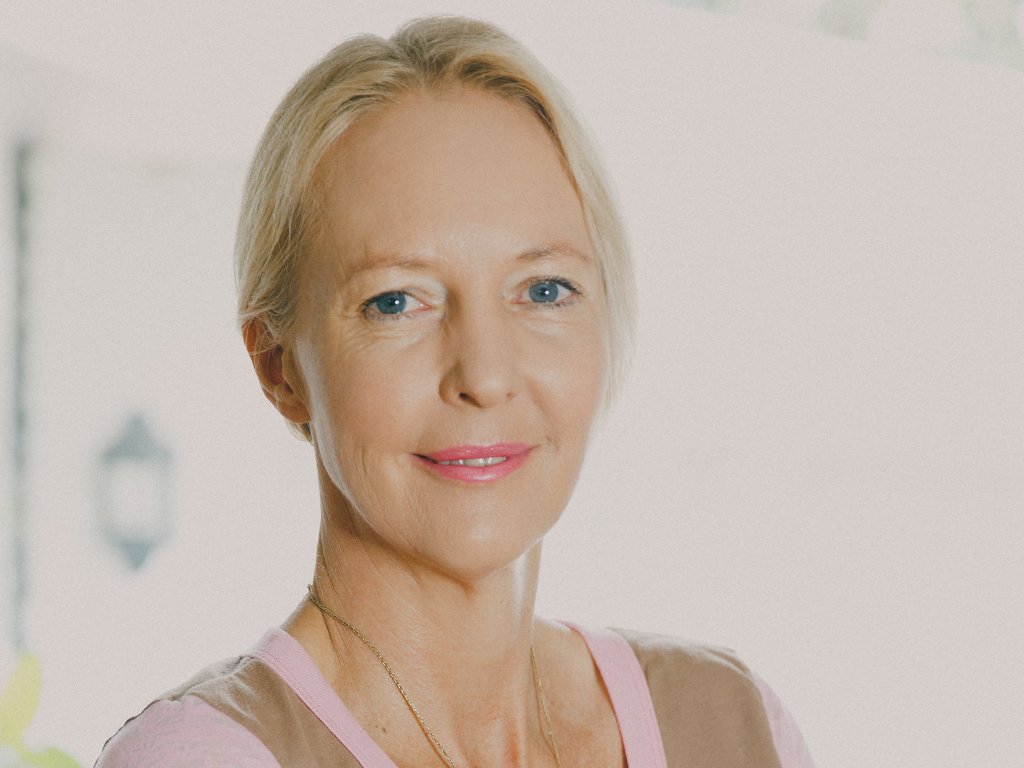
Many people being treated for cancer may not realise that concentrated vitamins, herbal products and chronic medicines can affect how oncology treatments work

Can’t keep food or fluids down during pregnancy? Dr Peter de Jong warns it’s not ‘just morning sickness’. Dehydration is a medical emergency.
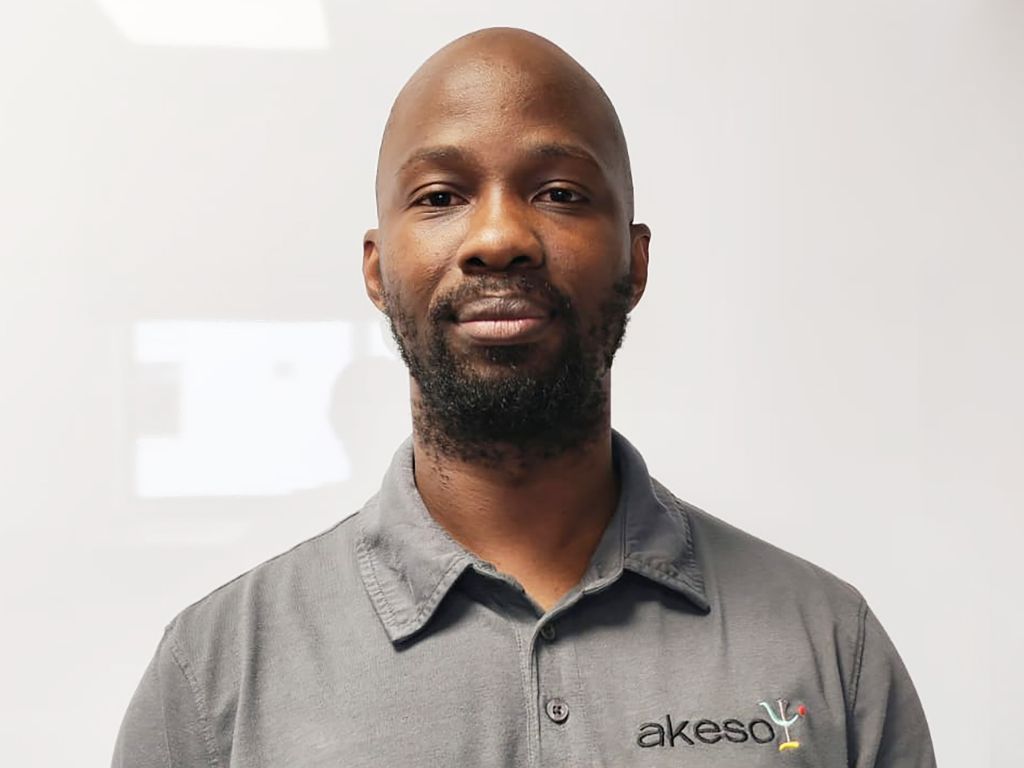
When you spot the warning signs of burnout, it’s time to take action. Occupational therapist Mahlatse Mothogoane points out that paying attention early is crucial.

When Rano Kayser was admitted to hospital with failing lungs, standard ventilation was no longer enough. To prevent organ failure, pulmonologist Dr Hlanjwa Maepa and her team initiated ECMO treatment.

Don't let doomscrolling steal your rest. Mental health and daily productivity rely on quality sleep, notes our clinical psychologist Tony Gouveia