Listen to your body, urges brain tumour survivor
How surgeons reach brain tumours without opening the skull
When a senior communications professional started experiencing visual disturbances and dizziness, especially while exercising, the symptoms at first seemed completely unrelated. The last thing he expected was to be diagnosed with a brain tumour known as a pituitary adenoma.
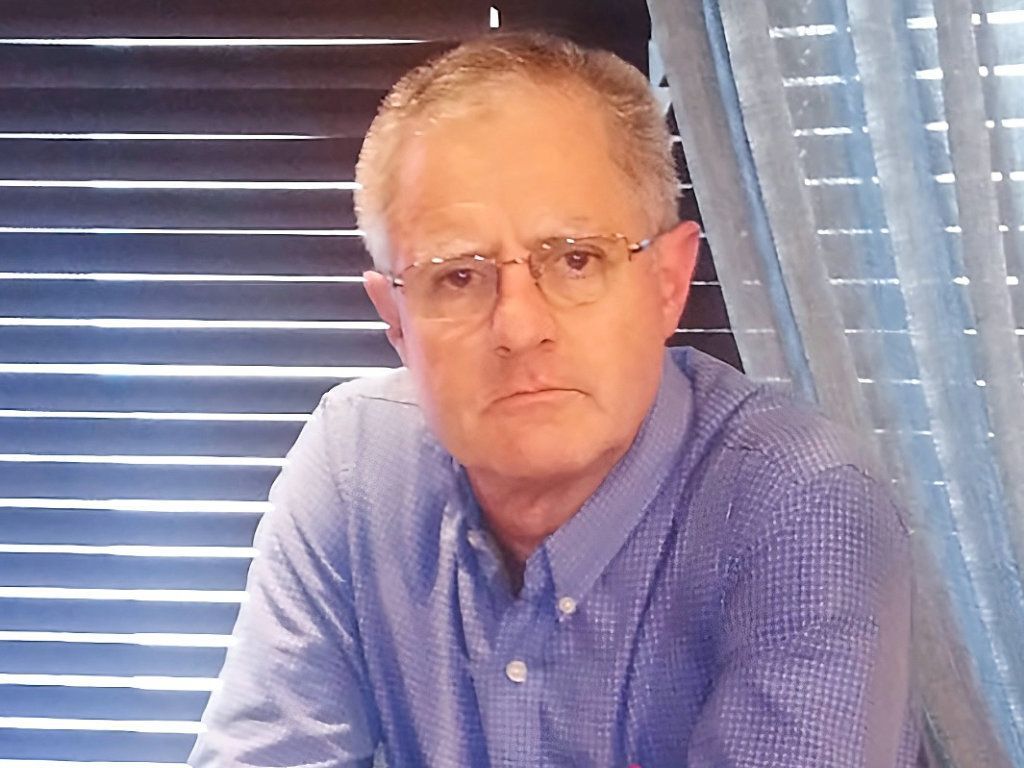
“Since my duties centred on writing, editing, and proofreading stories, working on the computer became a daily challenge. The screen appeared to shine and flash, and I constantly had to force my eyes to focus. Headaches, sweating, lapses in concentration, and dizziness became part of my everyday routine. Then one day, I collapsed at work and had to be rushed to hospital,” says Samson Mabunda.

Dr Stevens Hlahla:
Neurosurgeon Dr Stevens Hlahla says the endoscopic technique avoids many of the risks of transcranial surgery, offering new hope for patients who were previously considered inoperable or for whom open brain surgery would have been the only option.

Samson Mabunda:
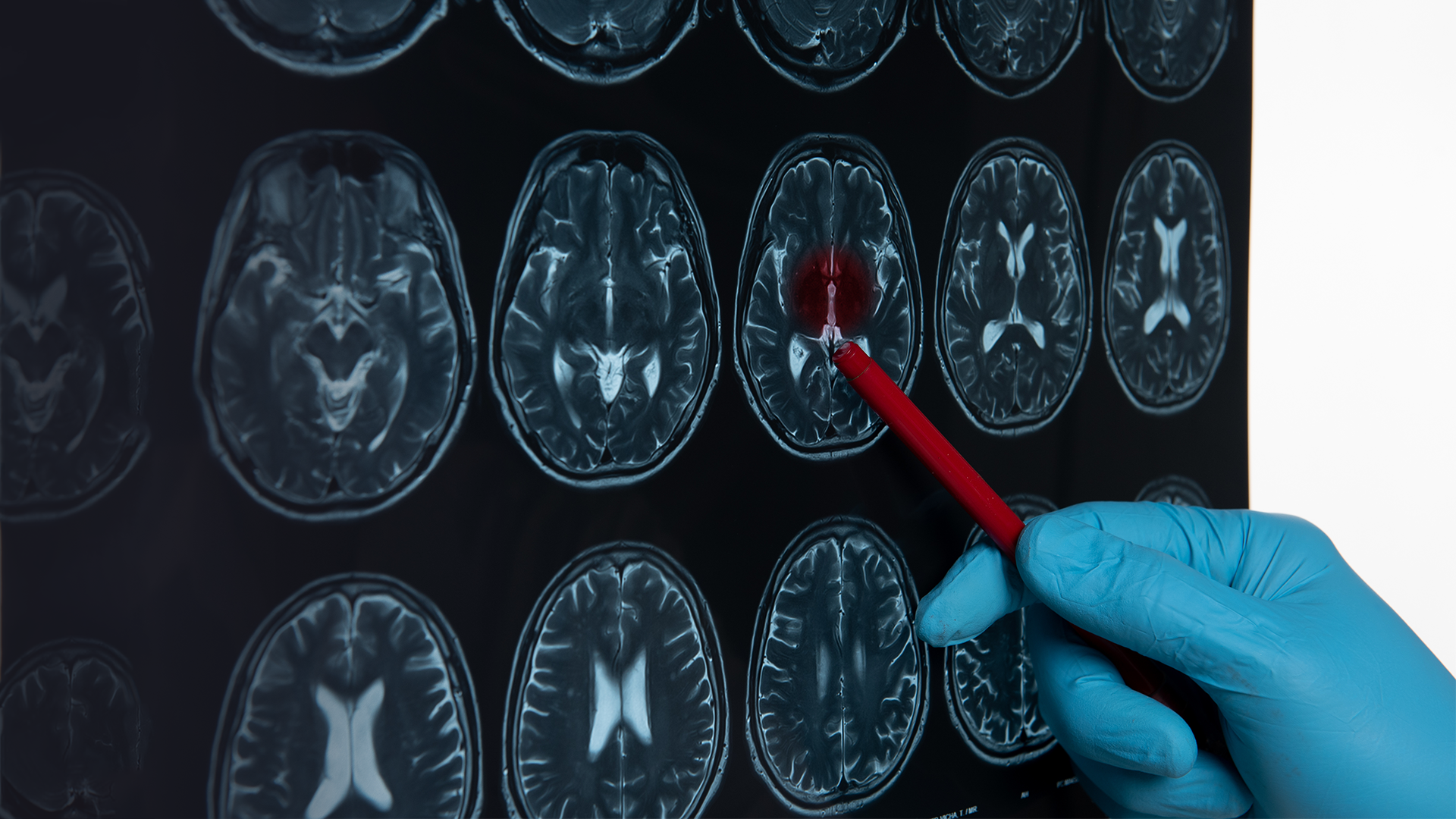
Samson Mabunda was diagnosed with a large pituitary adenoma brain tumour that threatened his vision and health. The tumour, located at the base of his skull behind his eyes, was removed through his nasal passages using a keyhole endoscopic technique, restoring his functional vision.
Mr Mabunda was stabilised and discharged, yet his symptoms persisted. “I was 60 and at retirement age, and although I would have liked to carry on working, my health was changing drastically, and so I called it quits,” he recalls.
“I went to my optometrist, who also happens to be my uncle, for a check-up on my eyesight because I thought I needed stronger prescription spectacles. He said something else needed to be investigated and referred me to ophthalmologists in Centurion.”
After a thorough examination and MRI, Mr Mabunda was referred to Dr Stevens Hlahla, a neurosurgeon practising at Netcare Unitas Hospital.
“Pituitary adenomas are non-cancerous tumours, however the condition affects pituitary function and, if the tumour grows it can compress the optic nerve and the person can eventually go blind if it is not treated,” says Dr Hlahla, who harnesses minimally invasive endoscopic techniques to operate deep within the brain.
“The pituitary gland in our brain is known as a ‘master gland’ because it releases hormones that regulate the body’s functions. When things go haywire in the pituitary gland, the body doesn’t function properly,” he explains.
Pituitary adenomas, such as the one Mr Mabunda was diagnosed with, vary in size. A micro tumour can cause problems affecting the person’s hormones, and this can lead to issues such as hypertension and diabetes, and is strongly associated with Cushing’s disease, while larger tumours can cause complete blindness if not treated in time.
“The symptoms of micro tumours are often vague and non-specific, and may include tiredness, food intolerances, and weight gain. In very rare cases, in children, pituitary tumours can cause gigantism due to too much growth hormone.
“The tumours tend to be slow growing, with symptoms that are insidious yet progressive – they start gradually and become more prominent over time. Sadly, these signs are often missed in initial medical consultations. It’s really upsetting to hear some patients being dismissed as ‘imagining’ their condition. Patients are treated for individual conditions like diabetes or high blood pressure, but no one identifies the pituitary adenoma as the underlying cause,” Dr Hlahla says.
Larger tumours, like the one Mr Mabunda had, cause more than endocrine problems such as diabetes; they can also damage a person’s vision. “The majority of people are nearly blind by the time they present to me. Often, they have had symptoms for a long time, but previously, open brain surgery was the only option, or they were told their tumour was inoperable because it was too deep in the brain. Tragically, it’s frequently due to a lack of awareness that many suffer needlessly, simply because no one told them something can be done to help with this condition,” he says.
“It is amazing how technology has advanced in recent years, because endoscopic techniques have made it possible to remove these tumours at the base of the skull and behind the eyes much less invasively. As we don’t need to touch the brain, we also avoid many of the complications associated with transcranial brain surgery,” Dr Hlahla says.
The endoscopic approach is suitable for most patients. Instead of cutting through the skull, an ear, nose and throat (ENT) surgeon carefully guides the endoscope – a slender tube with a tiny light, high-definition camera, through the person’s nostril and nasal passages to gain access for this ‘keyhole’ procedure. As an added benefit for those who snore, the ENT surgeon can correct their deviated septum on the way through the nasal passage to the base of the skull.
“There is a high probability of cure with the endoscopic approach, and compared with traditional surgery, usually hospital time is halved. For larger tumours, functional vision can often be restored, although if the optic nerve has been damaged or compressed for too long, this may not always be possible. This emphasises the importance of early diagnosis and treatment, as it can rob people of their eyesight and their livelihood if not caught in time.”
Since his operation in August 2023, Mr Mabunda has noticed a significant improvement in his quality of life. “Today, I am living my life to the fullest. I can drive again, and it feels as though a heavy weight has been lifted from my body. My best advice to others is to listen to their bodies. The signs and symptoms we feel are messages about our state of health, and we should never ignore them,” he says.
“Above all, I thank the Almighty God whose hand guided Dr Hlahla, my ENT surgeon, and the entire team to perform a successful operation. If nursing is truly a calling, I witnessed its fullness at Netcare Unitas Hospital, especially during my post-surgery recovery,” Mr Mabunda concludes.