Identifying hidden head injuries and tips for healthy brain ageing
Neurosurgeon on an awareness mission
Signs of head or brain injuries can be more difficult to detect in older individuals; however, with simple awareness and preventive measures, the toll of these often unseen injuries can be reduced.
Neurosurgeon Dr Denis Mutyaba, who practises at Netcare Unitas Hospital in Pretoria, says the number one thing that the elderly and their caregivers can do to prevent them from needing surgery is a straightforward thing to do. “Be extra vigilant about removing the risks associated with slipping, tripping and falling, because injuries from these often avoidable accidents can have life-changing consequences,” advises Dr Mutyaba.
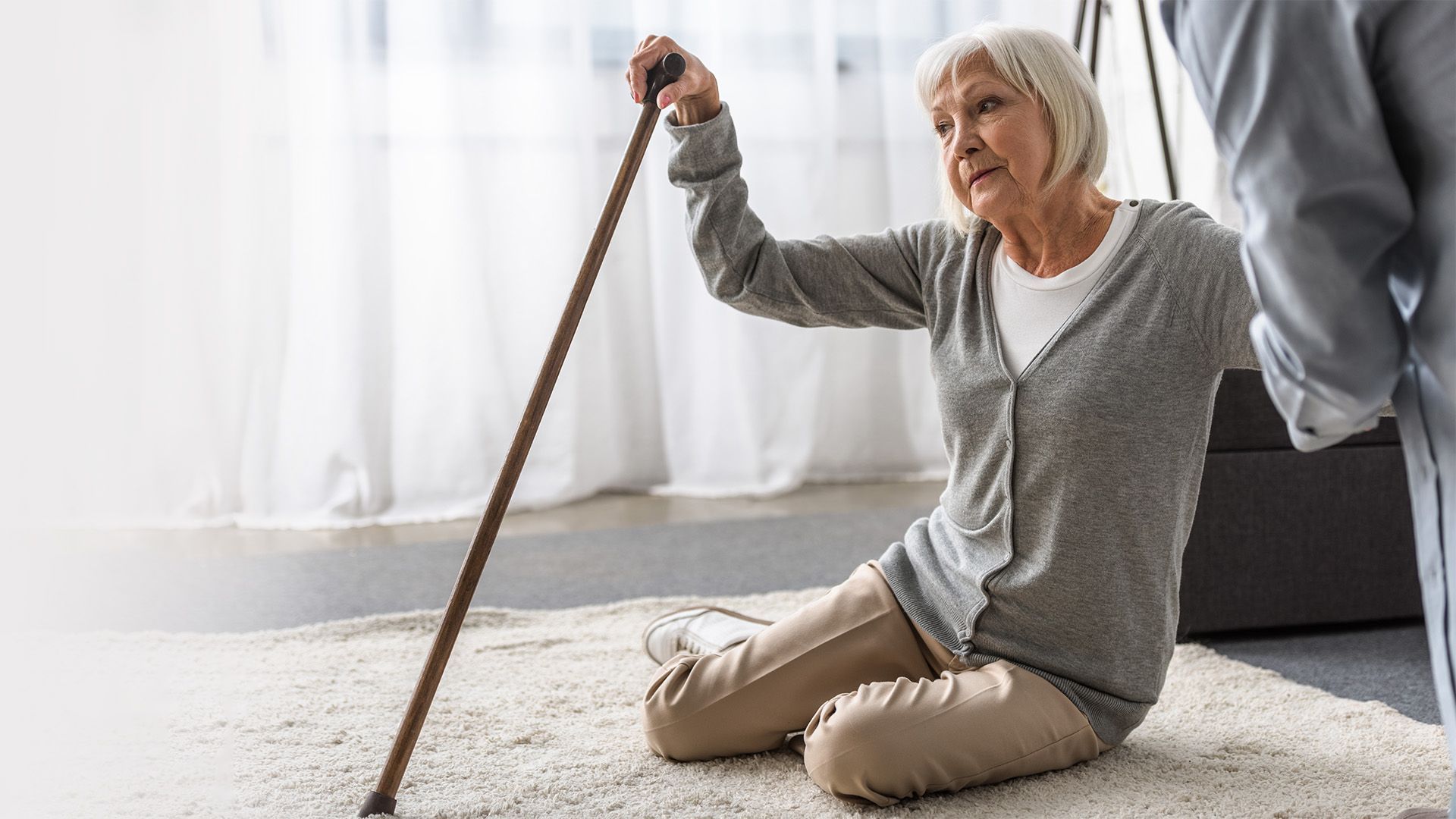
One of the leading causes of older people needing neurosurgery is a result of simple falls at home.
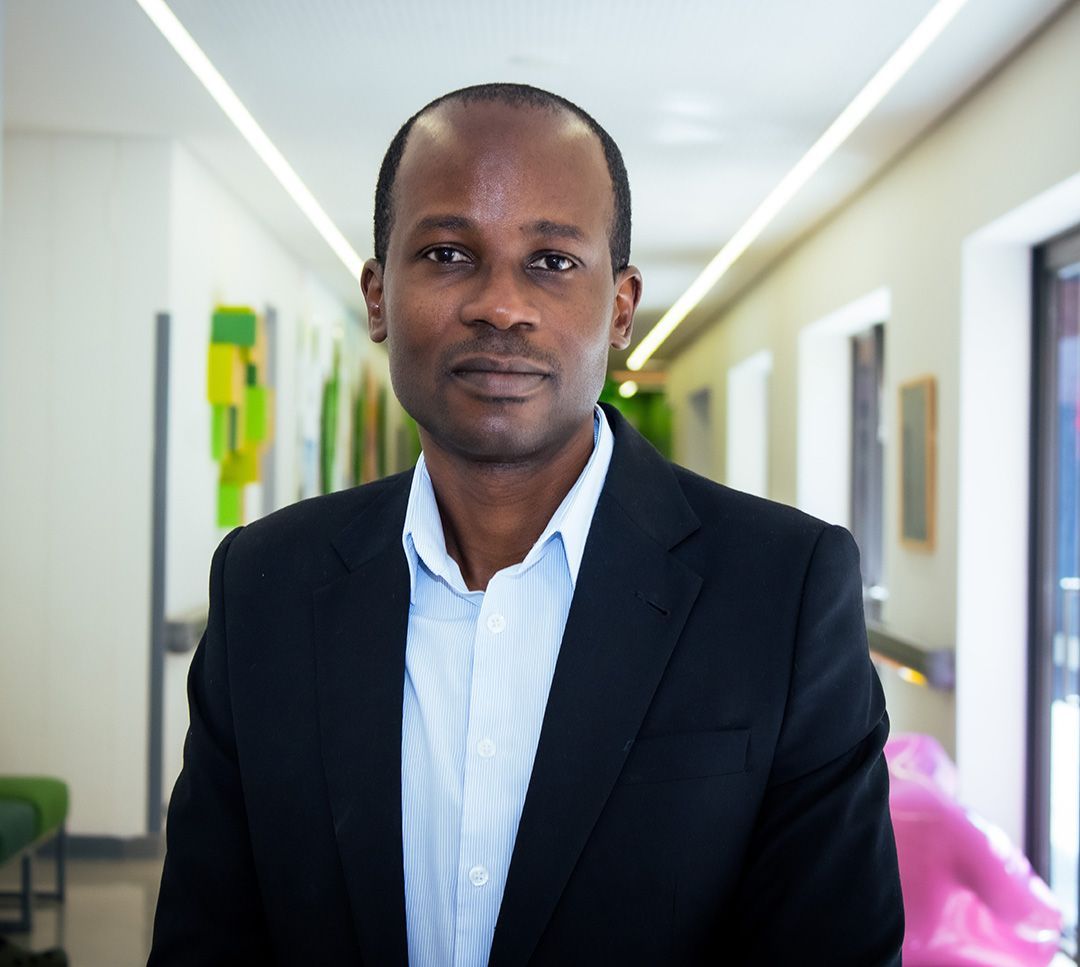
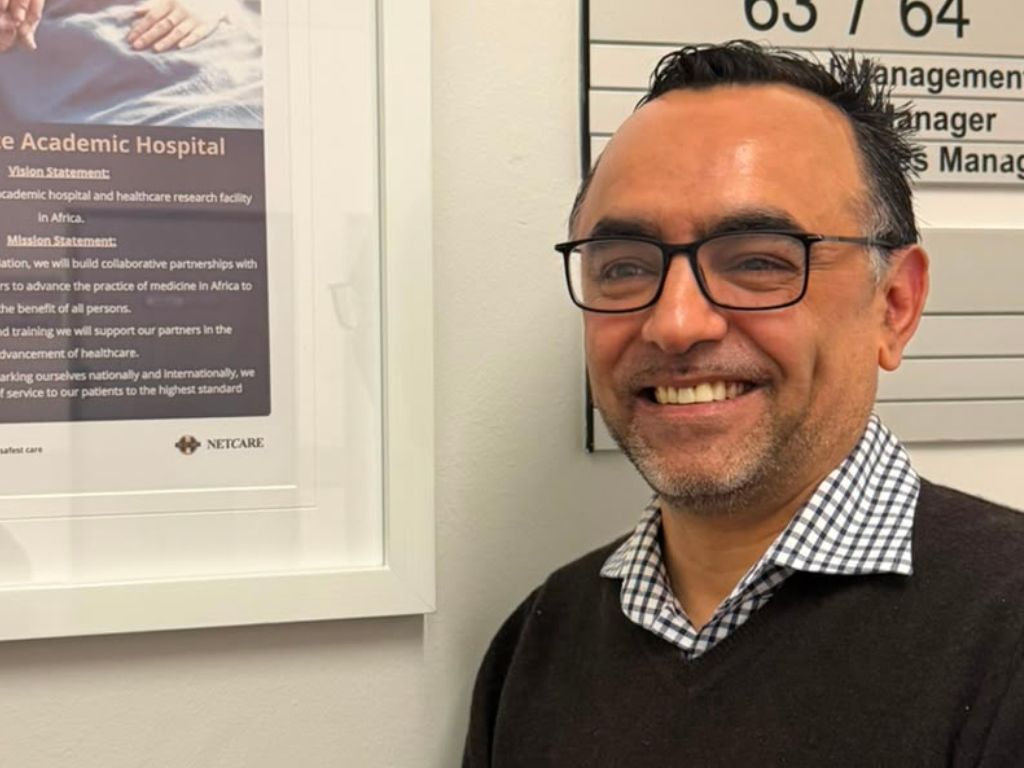
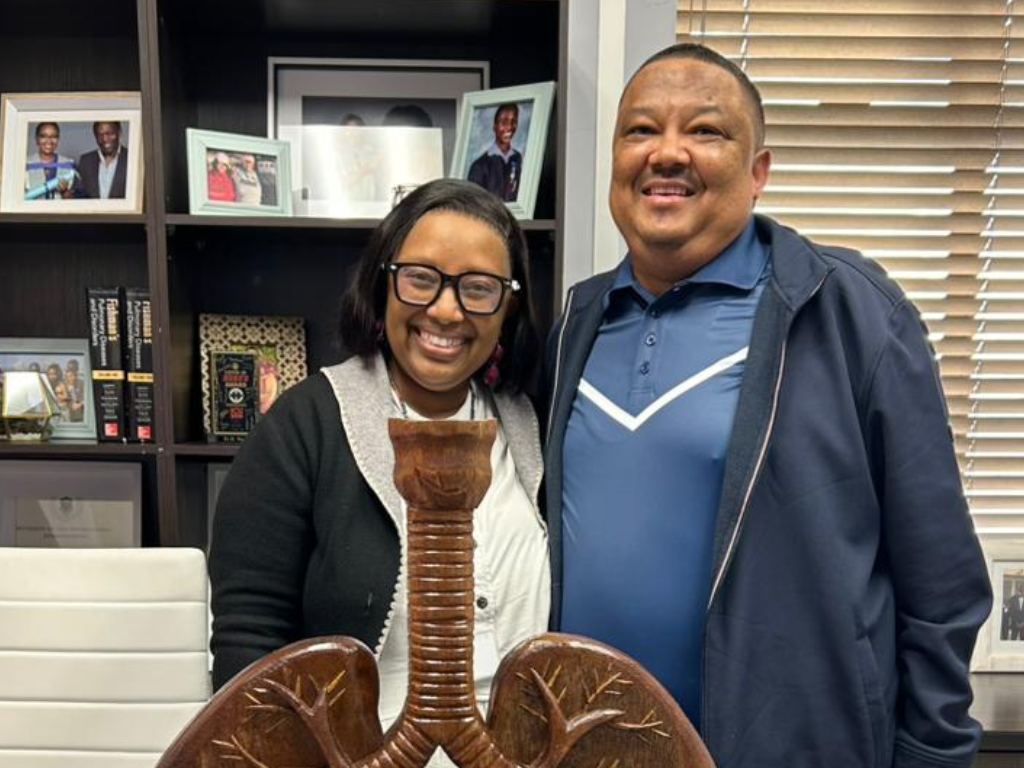
Neurosurgeon Dr Denis Mutyaba practises at Netcare Unitas Hospital in Pretoria.
“We see many people who have suffered subdural haematomas, a bleed on or near the brain, which is a serious injury. We also see brain trauma cases and spinal fractures because of osteoporosis, even from seemingly minor falls,” says Dr Mutyaba.
He explains that there is an extra reason to be cautious when older adults take anticoagulants, also known as blood thinners, because these medications can make bleeding worse even after a relatively minor fall.
When to get medical help
“Sometimes it can be tricky for a caregiver or family member to tell how serious a fall was, and whether the person needs medical treatment, especially where there are no visible injuries. There may not be a visible bruise or cut, but those nearby may start to notice signs that something is not normal,” says Dr Mutyaba.
The biggest indicator is when the person appears confused, or if they have existing dementia or are more confused than usual, he explains. “This means they need medical attention straight away and must either go to an emergency department at a hospital or to their general practitioner. It is important to have them examined by a healthcare practitioner without delay.”
Other signs that there could be a hidden injury include sleepiness or a reluctance to eat. New or worsening back pain can also indicate that an injury has occurred, warranting a medical examination. “Many older individuals may have osteoporosis, which means they are more likely to experience spinal fractures when they fall.”
While the thought of oneself or a loved one having to undergo neurosurgery can be daunting, Dr Mutyaba says he reassures those under his care and their families that he only ever operates as a last resort, especially when treating older people.
“We try every other method of intervention first and often get good results from non-surgical treatment. For example, as we age, our brains atrophy and lose volume, so sometimes they can accommodate a blood clot without the need for us to intervene and remove it. I try to be as conservative as possible with older people.
“For example, there are questions that need to be answered, such as whether I will improve their condition or potentially make them even more dependent. We do the least surgery for the condition, always to the maximum benefit.”
Brain volume and healthy brain ageing
Dr Mutyaba explains that as we age, it is a given that we will naturally lose brain volume. “But there are certain things that can accelerate this, like poorly controlled blood pressure leading to multiple strokes. Excessive alcohol consumption and genetic factors also play a role in shrinking brain volume.
“Because healthy brain volume correlates with healthy brain function, it’s critical that we give ourselves the best chance to maintain brain volume by managing our diets and choosing to live a healthy lifestyle. Those with diabetes must work to control it properly, with better nutrition choices. If you have high cholesterol, get advice from your general practitioner and dietitian to lower it to reduce your chance of strokes.”
While Dr Mutyaba describes himself as an all-rounder in the field of neurosurgery, he has a special interest in paediatric cases, oncology, craniofacial surgery and trauma cases. For him, seeing a patient recover well after he has intervened with major surgery is hugely rewarding. “As a surgeon, it makes you feel good knowing you’ve taken an active step in improving the outcome for someone’s life. When they do well, I look forward to seeing them in my consultation room again and again. It really brightens my day.”
Five tips for preventing falls for the elderly
Based on his experience, Dr Mutyaba shares these practical tips for avoiding surgery in older people.
- Don’t live alone – This can sometimes be a difficult one, because many older people value their independence and can be stubborn about recognising when it is time to live with family, or move into an environment where caregivers are available to them. “But really, the number one factor is, please don’t live alone.”
- Pick up rugs – He urges older people and their carers to avoid placing loose rugs on their floors, as these can be a major tripping hazard.
- Stay away from stairs – Stairs are an obvious hazard for older people, and Dr Mutyaba says he has treated many older people who have sustained serious injuries on stairs.
- Contact is key – Dr Mutyaba urges caregivers and family to ensure older people can easily contact them should they experience a fall. “But it’s also up to them to contact the elderly often to check in on them.”
- Install handrails and good lighting – “Make sure they can see where they are going and have something to hold onto to stabilise themselves.”