
Top tips if you’re considering a medical scheme or benefit change
Teresa Settas • October 30, 2019

With most medical schemes having recently announced their increases for 2020 at an average of 10% as well as any changes to their benefit options, you may be considering a review of your healthcare cover and whether it still meets your needs and budget.
Before making any changes, it is crucial to thoroughly investigate and compare your medical scheme options and benefits to ensure that you are not financially compromised by any option change. It’s a task best undertaken with the guidance of an experienced healthcare broker who can unpack the complexity of the various options, weigh that up against your unique circumstances, claims history, any existing conditions and your budget and then provide impartial advice on the way forward.
According to Jacqui Nel, Business Unit Head of Healthcare at Aon South Africa, “Before making any changes, it’s crucial to thoroughly review the benefit richness of a medical scheme option and the cost of your cover measured against your unique healthcare needs and circumstances. Medical benefit options tend to be complex because firstly there are many and they all vary widely in terms offering, making like-for-like comparisons tricky at best. Factors such as a personal needs analysis, review of your claims history and affordability all come into play. While claims history is an indicator, no one is aware of health risks that may occur in the future, so it is important to understand your approach to and ability to take on any risk. Based on this information, your healthcare broker can advise on the best plan to ensure that your healthcare needs are comprehensively covered and that any change won’t leave you compromised or facing hefty out of pocket expenses that you cannot afford,” says Jacqui.
When considering changing your option or medical scheme for the new year the following should be taken into consideration:
- Your current day-to-day expenditure and whether your existing benefits provided sufficient cover or if you were out of pocket.
- If you or any dependants are registered for a chronic condition, whether it qualifies under the 27 regulated chronic conditions or as an additional disease listing for cover. Consider the savings versus the cost of the additional chronic medicine.
- If moving to a Network option, are the network providers within an acceptable distance from you?
- If you are planning a family, undergoing a procedure or currently consulting with a specialist, ensure that this is covered as part of the Network or practice at the hospital network.
- When you pay less, you normally receive less cover.
- Benefit options that pay for PMBs only can have an impact on your pocket as you will need to self-fund any non-PMBs, as well as your access to and expectation of care.
- Should you consider self-funding your day-to-day care, ensure that you apply the discipline to make provision for when you may need medical cover.
- Get Gap Cover. Today, most medical schemes have deductibles and co-payments and many members are left out pocket when hospitalised due to provider charges in relation to what gets reimbursed by the medical scheme.
- Be comfortable with your savings versus the risk you may be exposed to.

15 September marks World Lymphoma Awareness Day, and CANSA is joining the global call to ensure that no person affected by lymphoma has to navigate their diagnosis, treatment, and recovery alone.

There’s a perception that vaping is harmless, but it is highly addictive and poses serious health risks. Pulmonologist Dr Mahomed Seedat warns about the dangers.

The immune system protects us from viruses, bacteria and cancer. According to Dr Lukas Moolman, the goal of a healthy immune system is to be smarter and balanced.

Gastroenterologist Dr Nasief van der Schyff shares seven tips for managing acid reflux and explains when to seek help if you suspect you have GORD (gastro-oesophageal reflux disease).

Many people being treated for cancer may not realise that concentrated vitamins, herbal products and chronic medicines can affect how oncology treatments work

Can’t keep food or fluids down during pregnancy? Dr Peter de Jong warns it’s not ‘just morning sickness’. Dehydration is a medical emergency.

When you spot the warning signs of burnout, it’s time to take action. Occupational therapist Mahlatse Mothogoane points out that paying attention early is crucial.

When Rano Kayser was admitted to hospital with failing lungs, standard ventilation was no longer enough. To prevent organ failure, pulmonologist Dr Hlanjwa Maepa and her team initiated ECMO treatment.

Don't let doomscrolling steal your rest. Mental health and daily productivity rely on quality sleep, notes our clinical psychologist Tony Gouveia
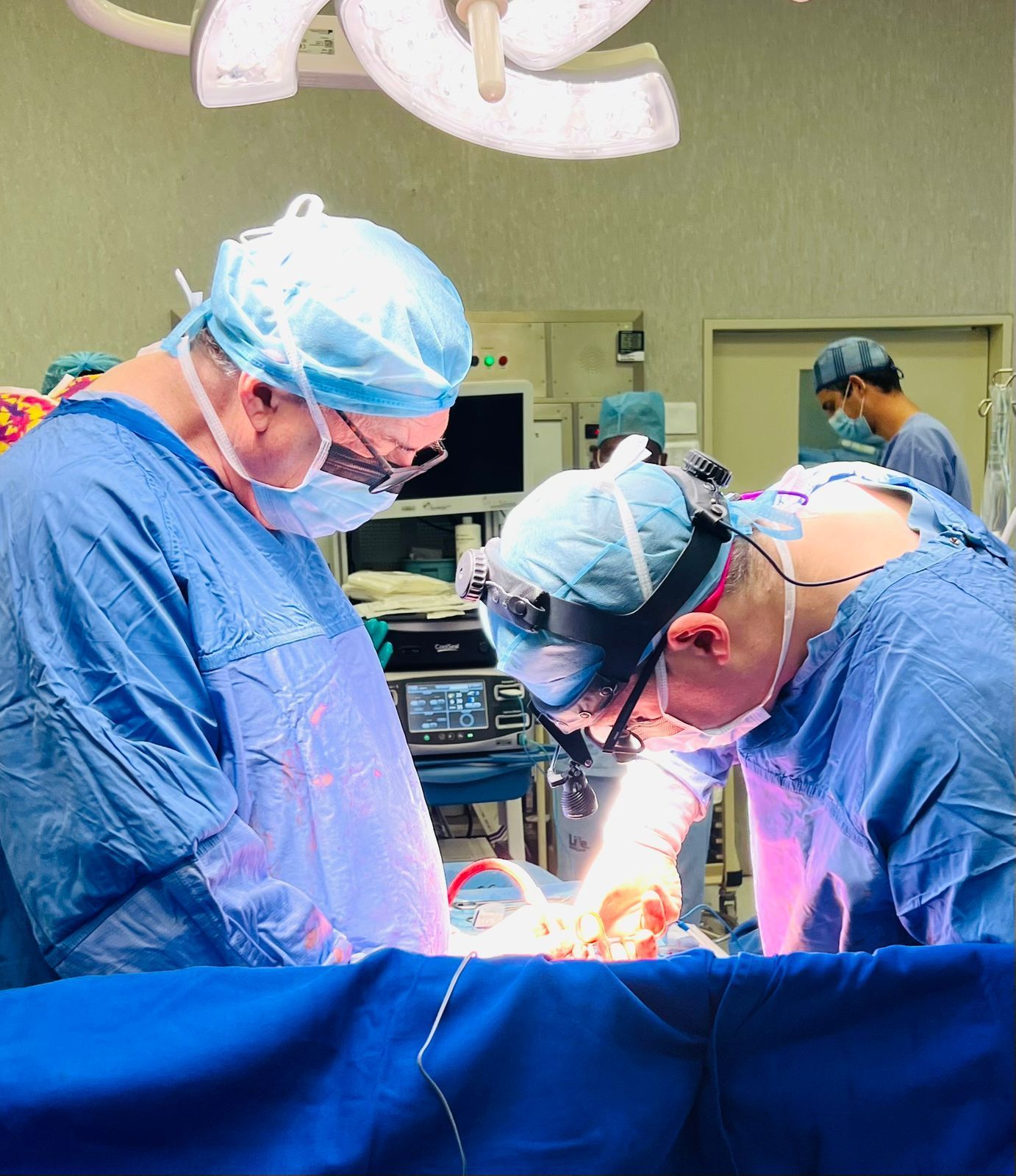
Cardiac surgeon, Dr Willie Koen, now operates alongside his son Johan in what is likely the country’s only father-son cardiac surgery team.