Is social anxiety holding you back in life?

Overcome fear and share the ‘music of your individuality’
Up to three-quarters of us experience some degree of social anxiety, ranging from mild shyness to debilitating social phobia. In more severe cases, social anxiety can hold a person back from pursuing opportunities and relationships, as well as potentially affecting academic and career progress.
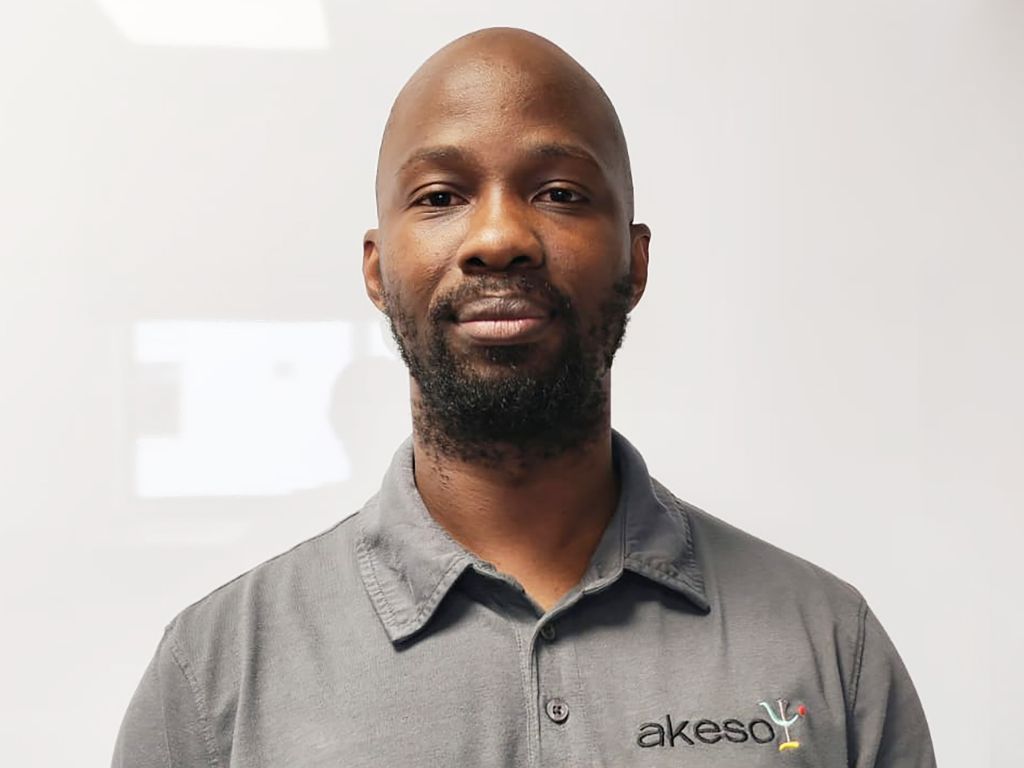
“Many of us have some level of discomfort expressing ourselves to other people, as we are social animals who are sensitive to approval or rejection from others,” says Mark de la Rey, a clinical psychologist practising at Akeso Kenilworth.
Imagine someone who has a gift, a great pianist who can make beautiful music but only when they are all alone in their own home. No one gets to enjoy that person’s talent if social anxiety keeps it locked up, and the person will never reach their full potential as a pianist.
“We all have valuable contributions to share, and we make our own ‘music’ through expressing our unique individual thoughts and feelings. We have the power to uplift people, enhance understanding and create happiness in the world – if only we can open up and share a part of ourselves with others,” De la Rey says.
Degrees of social discomfort
“Being a little shy or anxious about making new friends, asking someone out on a date, or giving a presentation, for example, is fairly common. While we may not find it comfortable, in most cases it should be possible for a person to overcome their anxiety to carry out these things.
“A big part of the anxiety is often around communicating one’s inner thoughts to others. Social anxiety becomes more concerning if the individual has great difficulty making their voice heard. If you find anxiety is preventing you from participating fully in some area of your life, this may suggest a social anxiety disorder,” De la Rey explains.
“In the more severe cases, where the person can’t even conceive of expressing themselves, for example with their colleagues, peers, or potential romantic interest specifically, or interacting with others more generally, this could be described as bordering on social phobia. In such cases, professional assistance can help to identify what the anxiety is stemming from, and with the appropriate therapy or skills the person is often able to move past their fears.”
“Social anxiety can be life limiting, robbing the individual of opportunities for new experiences and personal development, as well as the ripple effects it can have on their families, who often find it heartbreakingly frustrating to see their loved one unable to make the most of their life and abilities.”
Skills can help move past social anxiety
“Fortunately, there are practical skills one can learn that are often extremely helpful for overcoming anxiety. Dialectical behavioural therapy (DBT) skills, for instance, may be used alone or in combination with other types of therapy according to the kind of assistance the individual client requires,” he says.
Learning DBT skills offers a way to manage anxiety and emotional responses, which can offer a practical process to work through the sometimes-crippling effects of social anxiety in a person’s daily life.
“These skills are a non-apologetic way of observing and identifying what the person is feeling in those times, describing it, and deciding how to respond and participate – even though we might feel vulnerable or anxious about it.
“The skillset involves learning what a person needs to do to manage anxiety and move past it, and skills relating to how we apply these in real life situations. It really is possible to break through the grip of social anxiety and, once learnt, apply these skills at work, school, university, and in your social relationships, including family, friendship circle and your partner,” says De la Rey.
“These skills can be effective for young and old alike, eight to 80 years old and beyond, as an effective way to help gain the confidence to engage more with other people. There are also a number of other tools that may be helpful for individuals looking to cope with social anxiety, including crisis survival skills, distress tolerance skills, interpersonal skills, as well as more specific therapies for any related or underlying disorders.”
For information about mental health and services such as these, and accessing care, Netcare Akeso is here to help. In the event of a psychological crisis, individuals can phone the Netcare Akeso crisis helpline on 0861 435 787, 24 hours a day, to talk to an experienced counsellor.
“The pandemic has been a major setback for many young people, in particular for those who previously were on the verge of significant social anxiety. Those who were struggling then were often still coping in the school environment because they had social group support and interaction, and outlets such as sport.
“As these were withdrawn, some have regressed and are now finding their anxiety overwhelming. This often means they are battling with the full return to school, and it can have a real impact on their mental health and wellbeing. There is a solution to address whatever may be making daily life untenable; the tools to get past it are within reach,” De la Rey concludes.