Lifesaving last line of defence for Rano
Multidisciplinary expertise brings hope with ECMO life support programme
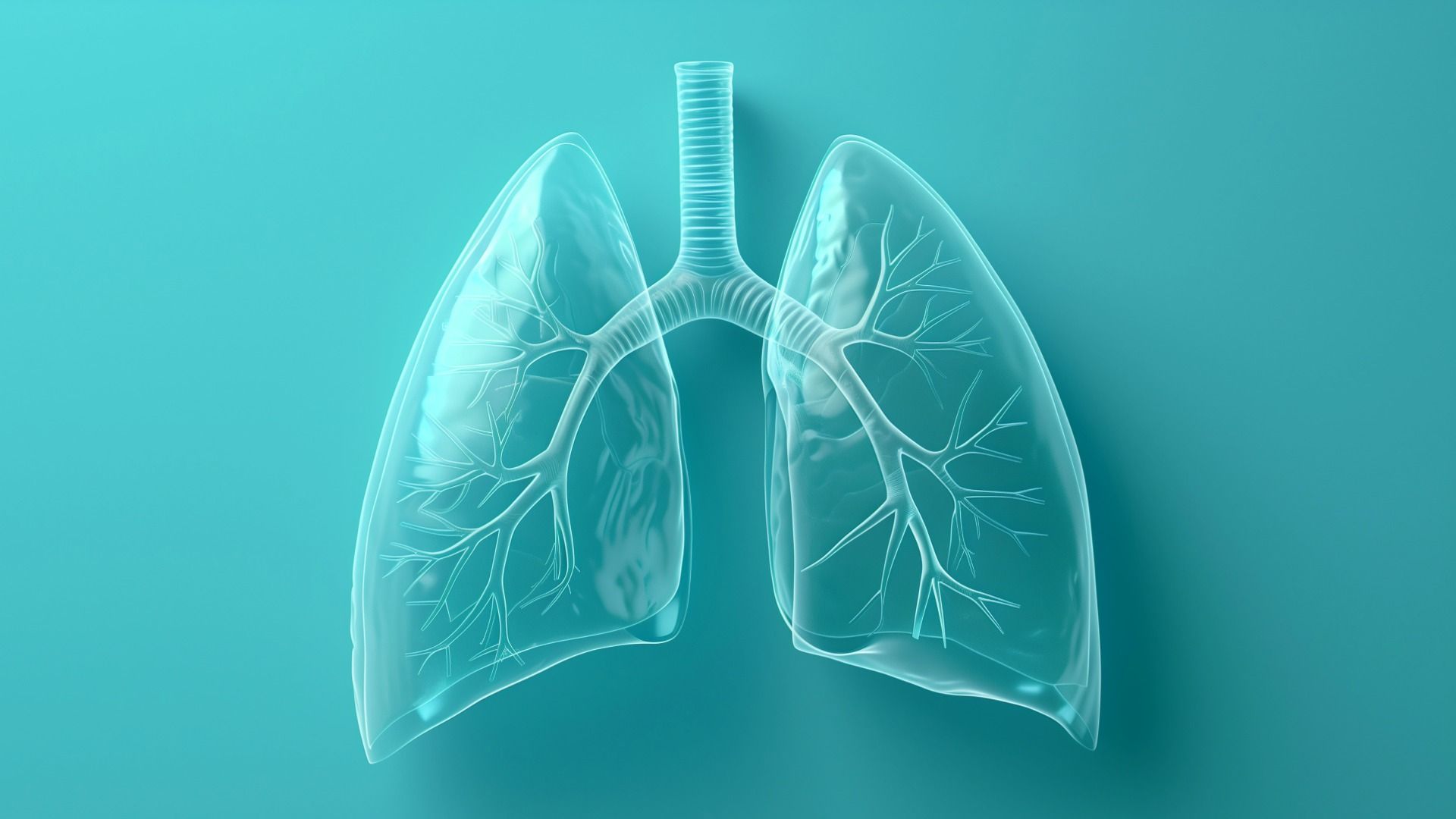
When paramedics rushed Gqeberha councillor Rano Kayser to Netcare Greenacres Hospital from another health facility with acute respiratory distress syndrome (ARDS), his lungs were failing. His last chance was extracorporeal membrane oxygenation (ECMO) treatment.
“When he came to us, Mr Kayser had severe infection and inflammation of his lungs after aspirating stomach fluids during a routine procedure elsewhere,” says pulmonologist and critical care specialist Dr Hlanjwa Maepa.
She explains the damage to Mr Kayser’s lung tissue meant vital oxygen could not be transferred to his blood, as necessary for breathing. Even at the highest oxygen concentration the ventilator could provide, he showed no improvement. The next clinical decision was urgent, to prevent further deterioration, which could be fatal with multi-organ failure.
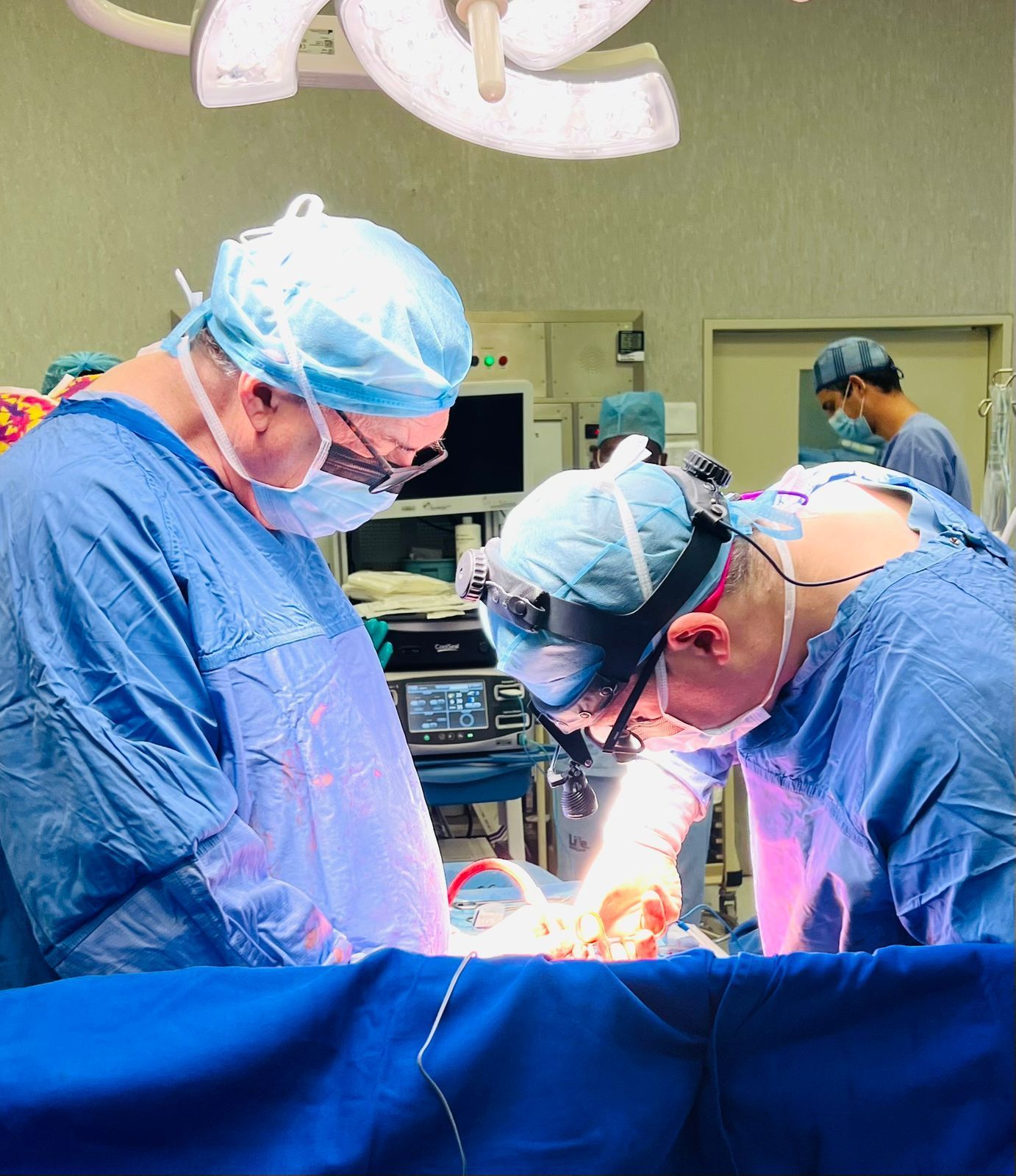
“ECMO is the last line of defence for respiratory failure, and Mr Kayser fit the clinical criteria. The X-rays revealed that the damage to his lungs was too significant for ventilation alone to be successful. ECMO is a bypass system offering the lungs a chance to rest and heal. A cardiothoracic surgeon inserts a cannulae in the largest veins of the body, in the case of Mr Kayser it was in the neck and groin. This allows for the blood to pass through an oxygenator before returning to the bloodstream.”
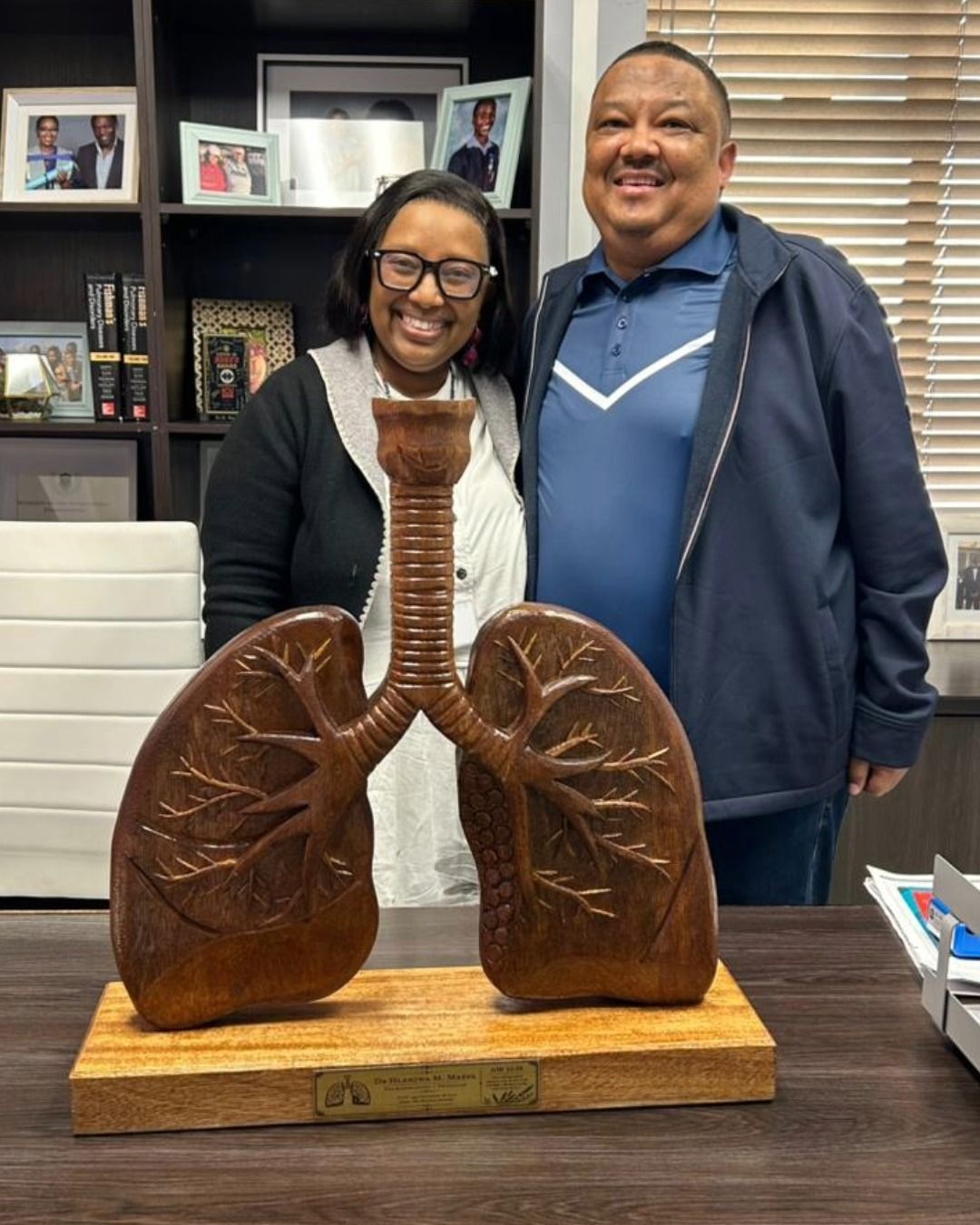
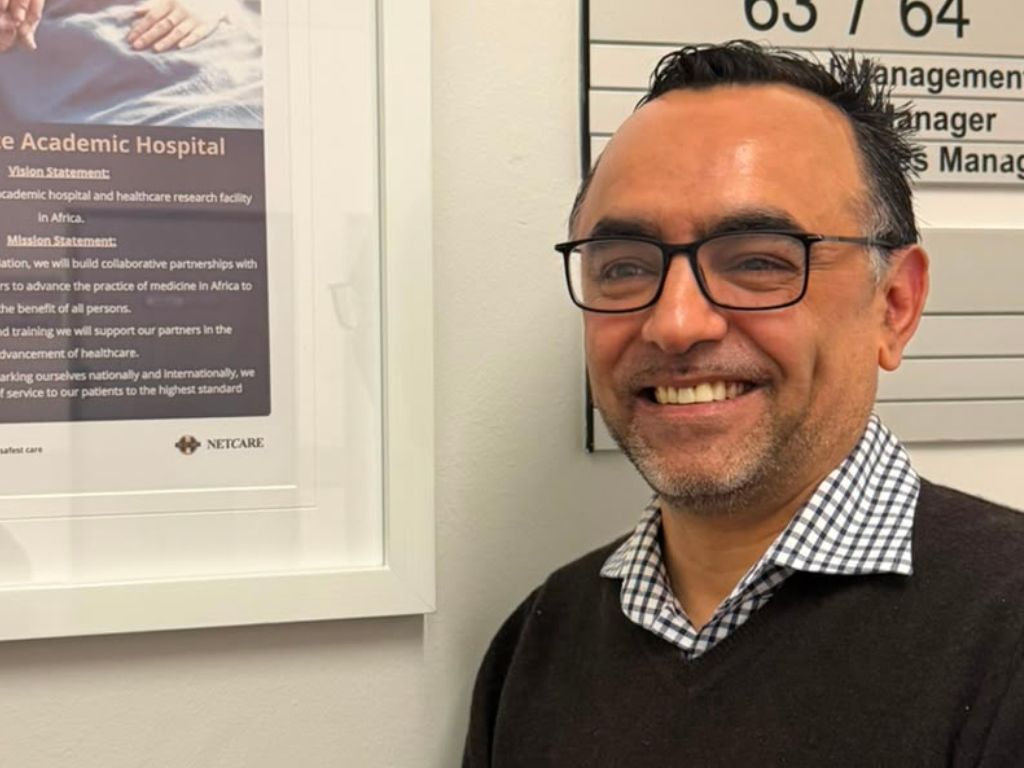
Dr Hlanjwa Maepa and Mr Rano Kayser
Dr Maepa, who previously gained experience with ECMO during her work at Netcare Milpark Hospital before moving to Gqeberha six years ago, says ECMO requires multidisciplinary expertise, including an intensive care specialist, a pulmonologist, a cardiothoracic surgeon, a perfusionist, and specially trained nursing staff.
For the next 11 days, ECMO-trained nurses watched over Mr Kayser around the clock, closely monitoring his condition and performing the numerous checks and fine adjustments required for this advanced form of life support. The multidisciplinary team’s daily systemic reviews looked for changes that could indicate clinical deterioration.
“Visits from loved ones are extremely important for keeping a person’s spirits up when they are in ICU for an extended time. When Mr Kayser’s family came to provide him with emotional support, we prepared them for what to expect. We explained the ECMO system to them and that he would be sedated for most of the time. We encouraged them to bring photos and reminders from home for his bedside,” she says.
Dr Maepa adds: “There was a time when Mr Kayser was semi-conscious, and even in this state of mind when his life was hanging in the balance, he was an absolute gentleman throughout. As an ICU team, we’re very protective of the people in our care, and often we have to protect our patients from the anxiety in their own minds. We talk to them, providing that reassurance, whether they are awake or not.”
Gradually, Mr Kayser’s lungs showed signs of improvement, and he could be taken off ECMO and ventilator support, and he was advanced to high-flow oxygen, still within the intensive care unit at Netcare Greenacres Hospital. After several courses of antibiotics for stubborn lung infections, on 31 March, Mr Kayser had turned the corner and was able to breathe on his own again.
“By then he had been in ICU for over a month, and Mr Kayser entered the second phase of his recovery. From then on, it seemed he allowed himself to believe he would get better. Many people with critical illness develop myopathy because, from lack of use, the muscles waste away. As soon as the person is able, we need to rebuild their muscles so they are able to sit, stand and walk, as this helps protect against lung infections,” Dr Maepa explains.
With physiotherapy, Mr Kayser’s lungs cleared and he began walking in the first week of April, and Dr Maepa describes his determination as inspiring. Before the month was out, he was well enough to be transferred to a sub-acute facility to continue his recovery.
“It is the Grace of God that carried me through this. I want to thank Dr Maepa and all the doctors and staff at Netcare Greenacres Hospital; they were wonderful, and they gave me the willpower to go on. I’m so deeply thankful to be restored to my family and I’m looking forward to getting back to serving our community again soon,” Mr Kayser concludes.