When survival mode is a way of life
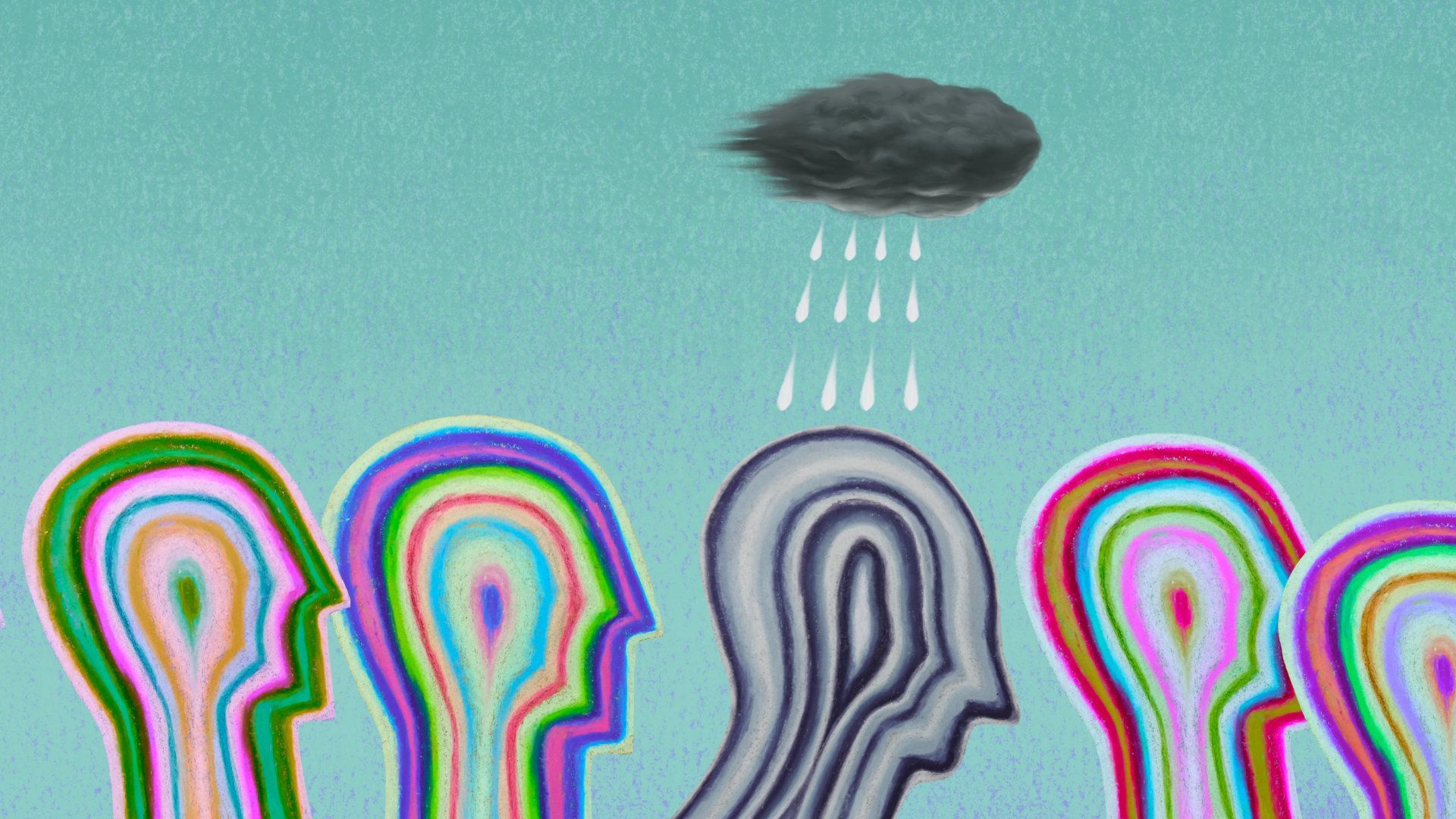
The quiet legacy of trauma
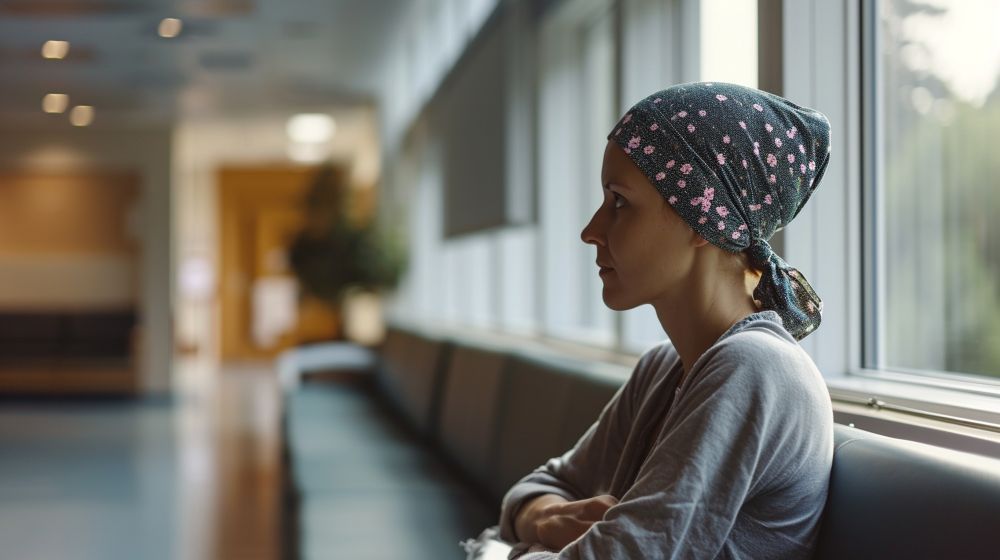
Imagine experiencing daily life as if danger is always nearby, even when it is not. For some people, feeling on edge is a constant reality because they were forced to learn, at some point, that staying alert was safer than relaxing.
After enough time, to the person, this state of tension no longer feels like a response to stress; it simply feels like who they are.
Consider the implications for the parent who checks the locks repeatedly before bed, even in a safe neighbourhood. The teacher who feels exhausted before the day has properly begun. The colleague who apologises constantly, even when they have done nothing wrong. The employee who performs well at work but cannot switch off at home. Many of us recognise these patterns in ourselves or in those around us, but few immediately connect them to trauma.
When trauma is discussed publicly, people often think of it as a single event, such as a hijacking, a violent assault, a serious accident, or the sudden death of a loved one. These experiences can have profound psychological effects and may leave people struggling with fear, anxiety, sleep difficulties, emotional distress, or ongoing vigilance long after the event itself has passed.
Dr Ewald Crause, counselling psychologist
This is often referred to as single-incident trauma, but trauma does not always arrive in one moment.
For many people, particularly in environments shaped by chronic stress or instability, trauma develops slowly over time. It may involve years of emotional unpredictability, neglect, violence, humiliation, conflict, substance misuse in the home, or growing up in circumstances where safety could not be assumed.
This is commonly referred to as complex trauma. Unlike single-incident trauma, complex trauma often develops within relationships or environments that should have provided protection and stability. The distinction matters because repeated trauma impacts people in a variety of serious ways. In many cases, it begins to shape the way a person perceives themselves, others, and the world around them.
A child who grows up around unpredictable anger may become highly sensitive to changes in tone, mood, or tension in a room. Someone repeatedly exposed to criticism or emotional neglect may learn to expect rejection before it happens. A person who had to manage chaos early in life may later struggle to rest, delegate, or fully trust others. These are not simply habits. They are often adaptations.
Human beings are remarkably capable of adapting to difficult environments. The problem is that survival strategies that are useful during periods of danger can become restrictive later in life. What once protected the person may eventually interfere with their relationships, parenting, work, emotional wellbeing, and physical health.
Many adults are still living according to rules they learned in unsafe environments: stay alert, do not depend on others, avoid vulnerability, keep control, and do not make mistakes.
Over time, these rules can become deeply ingrained. People may continue functioning at a high level while carrying significant emotional strain. They raise children, build careers, support families, and continue meeting responsibilities. From the outside, they may appear composed and capable. Internally, however, some remain caught in patterns of hypervigilance, tension, emotional shutdown, or exhaustion that developed years earlier.
Functioning is not always the same as feeling safe.
One of the more complicated aspects of complex trauma is that it often hides beneath ordinary behaviour. Some people become emotionally distant because closeness once felt unsafe. Others become overly responsible because they learned early that stability depended on them. Some become controlling, while others avoid conflict altogether. Trauma does not shape everyone in the same way, but it often leaves people organising their lives around safety, even when they no longer recognise that this is what they are doing.
This can affect daily life in subtle yet significant ways. People may struggle with sleep, concentration, chronic tension, irritability, anger, headaches, digestive problems, emotional numbness, or a persistent sense of being ‘on edge’. Others may withdraw from relationships, overwork, struggle to trust, or feel unexpectedly overwhelmed by relatively small stressors.
Research over the past two decades has increasingly shown that repeated interpersonal trauma can affect emotional regulation, attachment, concentration, identity, physical health, and relationships throughout a person’s lifespan.
In the South African context, this conversation is particularly relevant. Many people have grown up in homes or communities shaped by violence, chronic stress, financial instability, alcohol misuse, unresolved grief, or emotional unpredictability. In some environments, survival takes priority over emotional safety. Children quickly learn to monitor adults’ moods, avoid conflict, remain quiet, or find ways to protect themselves emotionally.
Tragically, these adaptations can set the mould not only for the individual but potentially for generations. People not only pass down language, culture, and values to their children; we may also pass down ways of coping that developed under stress, leading to emotional avoidance, hyper-independence, distrust, fear, or difficulty expressing vulnerability.
This does not mean people are permanently damaged or defined by their past experiences. Particularly with the support of mental health professionals, there is hope for feeling safe again, and recovery remains possible throughout life. As human beings, we retain the capacity to adapt, reconnect, and heal. Yet recovery from complex trauma is often less about forgetting the past and more about learning how to reclaim a sense of safety in the present.
For some people, this may involve learning that rest does not automatically lead to danger. For others, it may involve discovering that disagreement is not the same as rejection, or that asking for help does not make them weak.
Sometimes, the first step is simply recognising that what felt ‘normal’ for many years may, in fact, have required enormous emotional survival.
For professional support for complex trauma or any other mental health concern, make an appointment with a psychologist, psychiatrist, or occupational therapist practising at your nearest Netcare Akeso facility or download the Netcare app. In the event of a psychological crisis, call Netcare Akeso’s 24-hour crisis line on 0861 435 787, where experienced counsellors are available to listen and offer support at any time of the day or night.