Two hearts, one calling
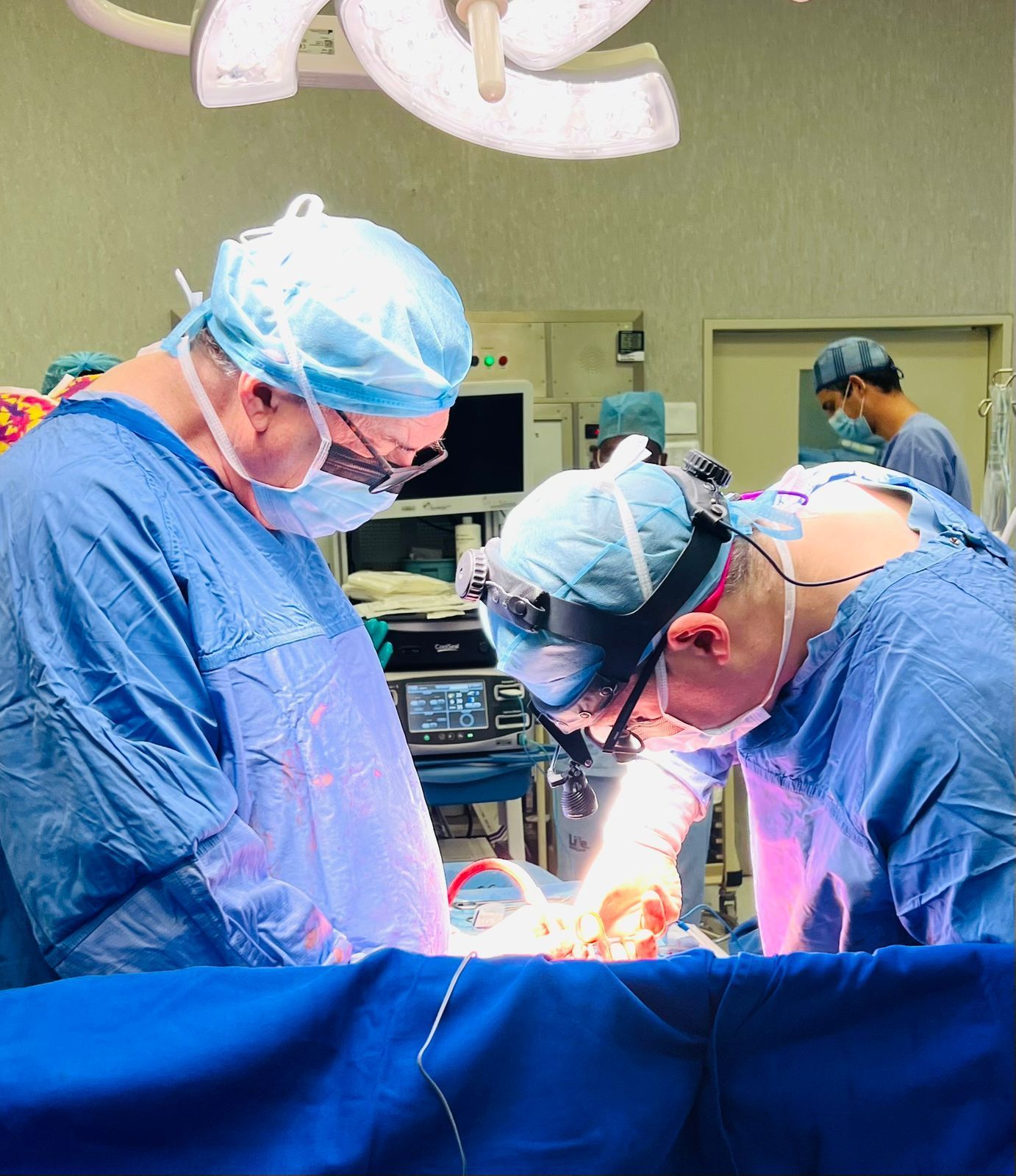
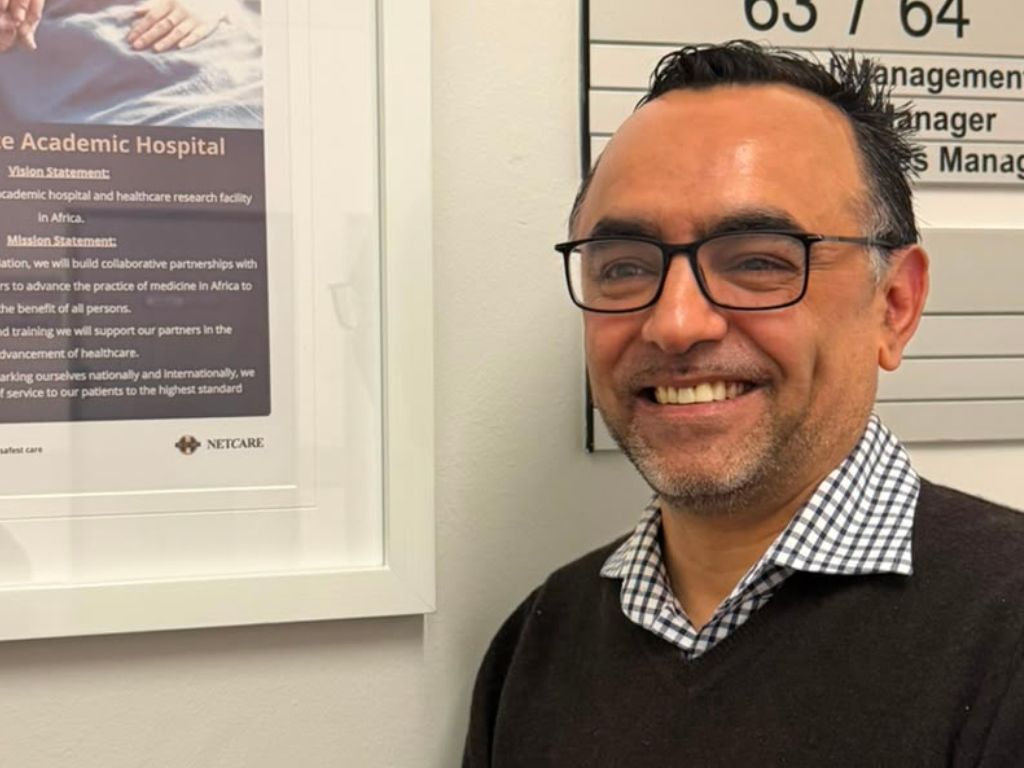
Surgical Partnership: Dr Willie Koen (left) and his son Dr Johan Koen (right) in the theatre at Netcare Christiaan Barnard Memorial Hospital, where they form South Africa's only known father-son cardiac surgery team. Willie, who trained under Professor Barnard and performed the country's first mechanical heart transplant, now shares life-saving techniques with Johan, who brings cutting-edge methods from Toronto's elite cardiac programmes. Together, they're tackling cardiovascular disease, South Africa's number one killer.
Father and son cardiac surgery team save lives, one heart at a time
At Cape Town’s Netcare Christiaan Barnard Memorial Hospital, an unusual father-and-son partnership is taking on cardiovascular disease, South Africa’s number one killer.
Call “Dr Koen” in the operating theatre, and two heads turn. Dr Willie Koen, trained by heart transplant pioneer Professor Christiaan Barnard, is among South Africa’s most accomplished cardiac surgeons with decades of experience saving lives. His son, Dr Johan Koen, brings world-class techniques from Toronto’s elite cardiac centres. Together, they’re not just performing surgery; they’re setting new standards and once more pushing the boundaries of South African cardiac care.
From watching to working
Dr Willie Koen performed South Africa’s first mechanical heart transplant in 1998. His son, now a cardiothoracic, transplant and mechanical circulatory support specialist, considers him the country’s leading cardiac surgeon. “As a son, I’m immensely proud of the dad he is to me, and as a colleague, I have the utmost respect for what he has achieved. He is a worldclass surgeon,” says Johan.
The path to working together wasn’t always clear, however. Willie assumed Johan would become a physician after Johan showed a strong interest in internal medicine at medical school. “I thought the long hours might put him off – all those missed Christmases, birthday parties and school events he’d witnessed throughout his childhood. But he chose it anyway. For me, as his father, it was heartwarming.”
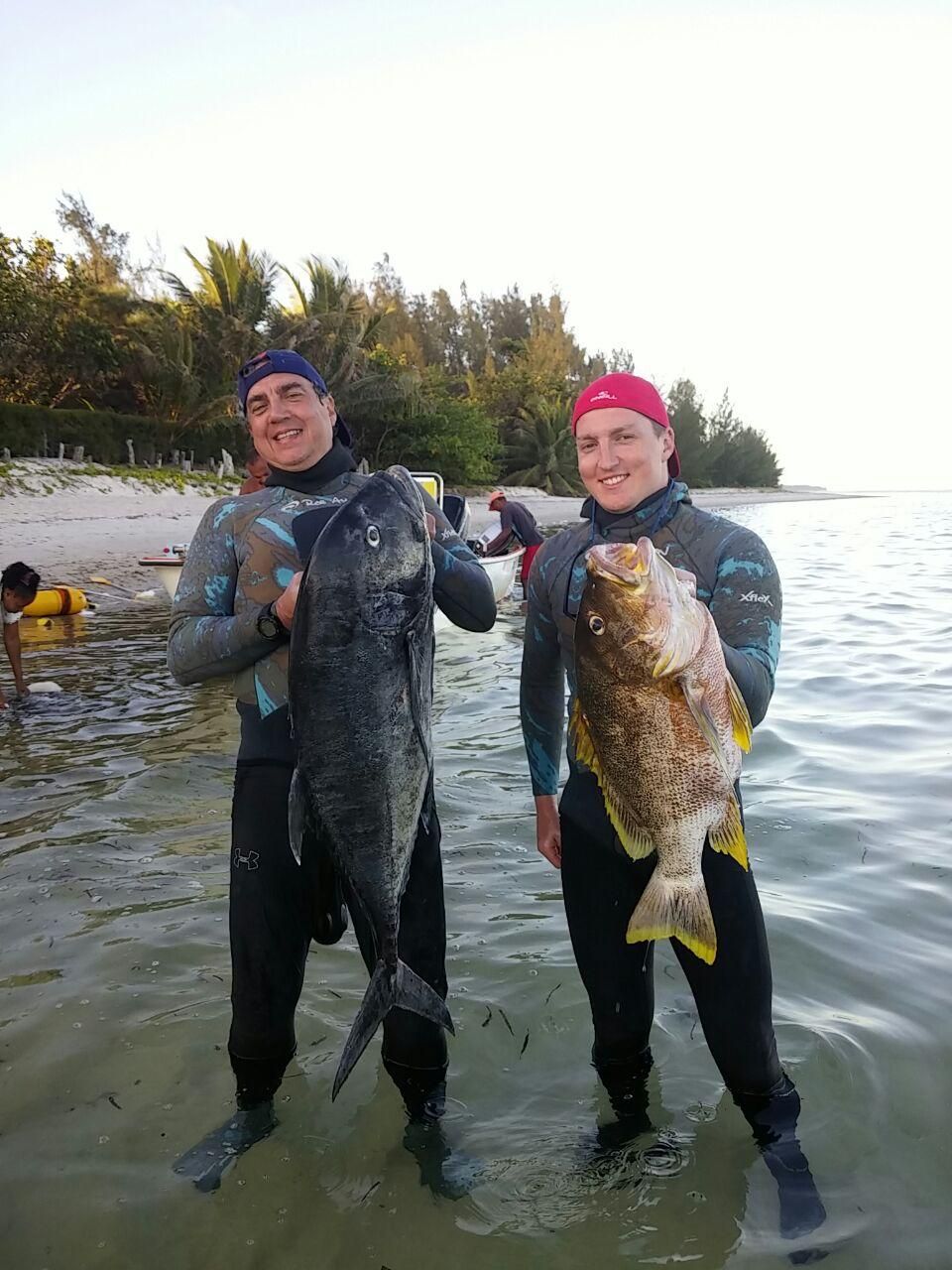
Beyond the Scrubs: Despite performing life-saving surgeries, Willie Koen never missed his son's important moments. “He was at every sports day, every school play. I knew he did extraordinary things at work, but at home, he was just Dad – the same guy who taught me to tie fishing knots and navigate rough seas,” remembers Johan.
Johan points to a defining moment during his internship at General Justice Gizenga Mpanza Regional Hospital. “I saw patients come in so tired from end-stage heart failure that they could not even feed themselves. After surgery, they were able to cycle and eat independently. We were giving people who certainly would have died a second chance at life.”
Johan went on to train in Toronto at one of the world’s premier cardiac centres and surprised his father by choosing to return home. “Many young surgeons who train abroad never come back,” Willie notes.
The dance of experience and innovation
The Koen doctors work alongside Dr Loven Moodley, forming a tight-knit surgical team. “Before every operation, we review each case together, study the patient information, discuss approaches and ensure we’re aligned. I see his work constantly, not just as his father but as his colleague. There is pride, of course, but also a critical eye honed by years of experience,” explains Willie.
The exchange flows both ways. Johan brings fresh perspectives from Toronto, while his father offers decades of hard-won wisdom. “You cannot buy experience,” Johan says. “My father compares cardiac surgery to a minefield. You can either set the mines off yourself, or someone can show you where they are. He’s shown me where they are.”
“In theatre, we anticipate each other’s needs and think the same way. After the operation, it helps to have two surgeons who understand both transplants and mechanical hearts,” explains Johan.
Their debates are legendary – and healthy. “We each present our reasoning for why a particular approach would benefit the patient. Once we’re operating, we’re aligned. That’s critical when you’re working on someone’s heart,” says Willie.
Carrying the weight together
The emotional toll of cardiac surgery binds them. “When complications arise and outcomes aren’t what we hoped for, it’s devastating,” Willie admits. “When it happens, we see each other’s pain – we support each other through losses and celebrate the victories.”
Their shared passion for fishing taught them teamwork long before they shared an operating theatre. “We’ve weathered rough seas together, where communication is survival,” Johan reflects. “You must work as a unit when tensions rise in surgery. That’s when we return to those times on the boat.”
Pearls of wisdom
Willie treasures passing on what he calls ‘pearls of wisdom’: “This is the unteachable knowledge that can’t be found in textbooks, passed down through generations of surgeons. I learnt from giants like Professor Chris Barnard and from surgeons worldwide who shared their knowledge freely. These are not just techniques but judgement calls, knowing when something’s wrong even when everything looks right.”
The Barnard connection runs deeper than training. Johan recalls meeting the legendary surgeon at an organ donor transplant day held at St George’s Cathedral in Cape Town when he was a little boy: “Professor Barnard came up to me and said in Afrikaans, ‘Hello, little Koen. Are you going to be a big heart surgeon like your father one day?’”
Johan laughs at the memory. “What do you know at eight years old? I was running around eating slugs! I had no idea what I’d do one day. But I looked up at him and said, ‘Yes, uncle.’ We joke about that now, but it feels significant. Looking at what I’m doing today, it’s quite a special moment. Prof Barnard trained my father, who has shown me special techniques from that era that nobody teaches anymore.”
Willie knows his son will add to the knowledge he’s helped instil in him. “The beauty is that Johan will master in half the time what took me three decades. Then he’ll surpass it, adding his own discoveries and pearls. That’s the real legacy – not preserving knowledge but accelerating its growth across generations.”
The future beats faster
“For years, cardiac care has improved slowly, through incremental changes. Now we’re on an exponential curve when you compare recent developments with previous decades. We can now access the heart via the groin to replace a heart valve without cracking open the chest for certain procedures.
“Johan's generation will push this even further. They will perfect techniques we're only beginning to explore. Massive incisions will disappear. They’ll save patients we can't save today. That excites me more than anything I’ve achieved, seeing what comes next,” says Willie.
Just like any other dad
Despite the extraordinary nature of his work, Johan remembers an ordinary childhood. “He was at my sports days, and we’d go fishing together. I knew he did amazing things at work, but at home he was just Dad.”
Now Johan faces the same balancing act. “Some nights I come home, and my daughter’s asleep, and the next morning I go to work while she’s still sleeping.” So the cycle continues, but with a difference. For now, father and son share the unique burden and privilege of holding hearts in their hands, a shared passion for healing that, as Willie puts it, has deepened their relationship in unexpected ways.