Liquid nitrogen saves teen’s leg in SA medical first
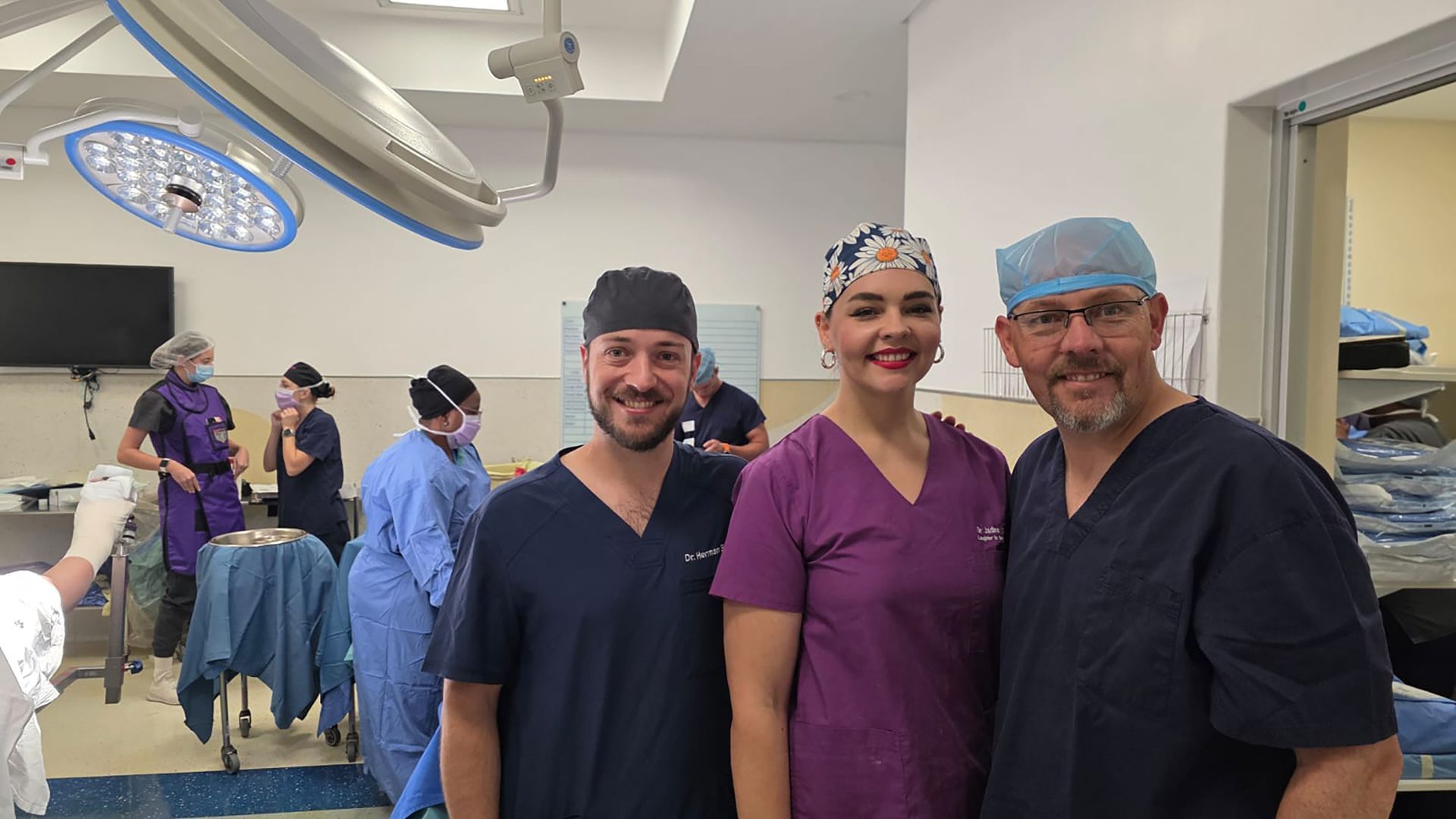
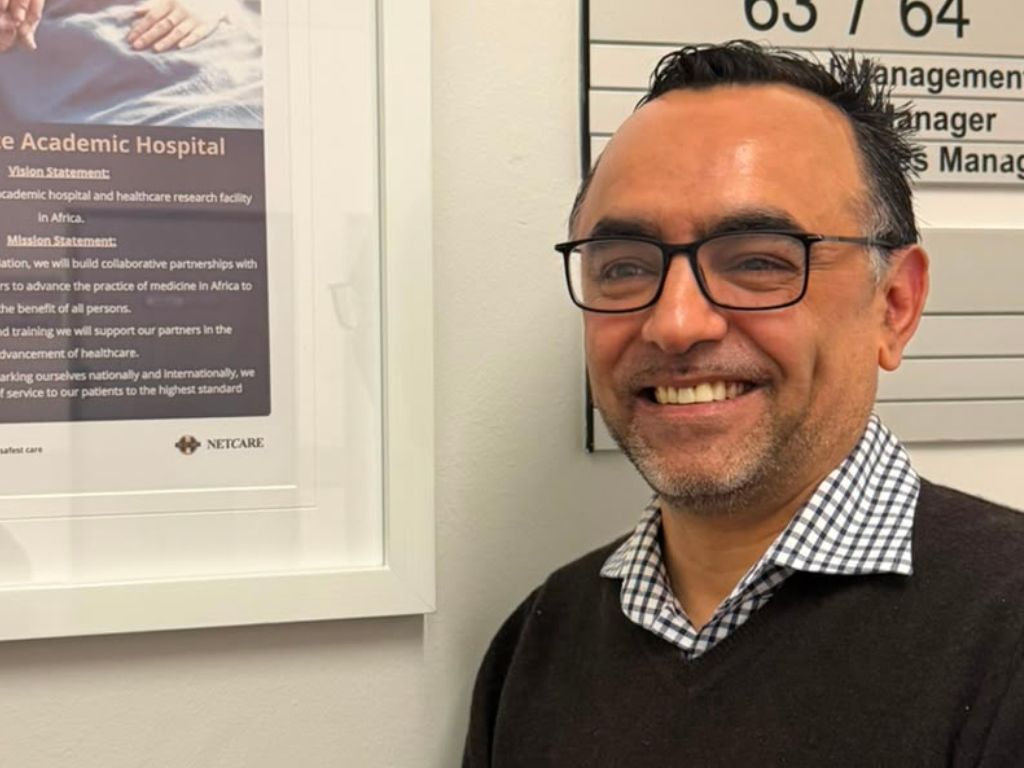
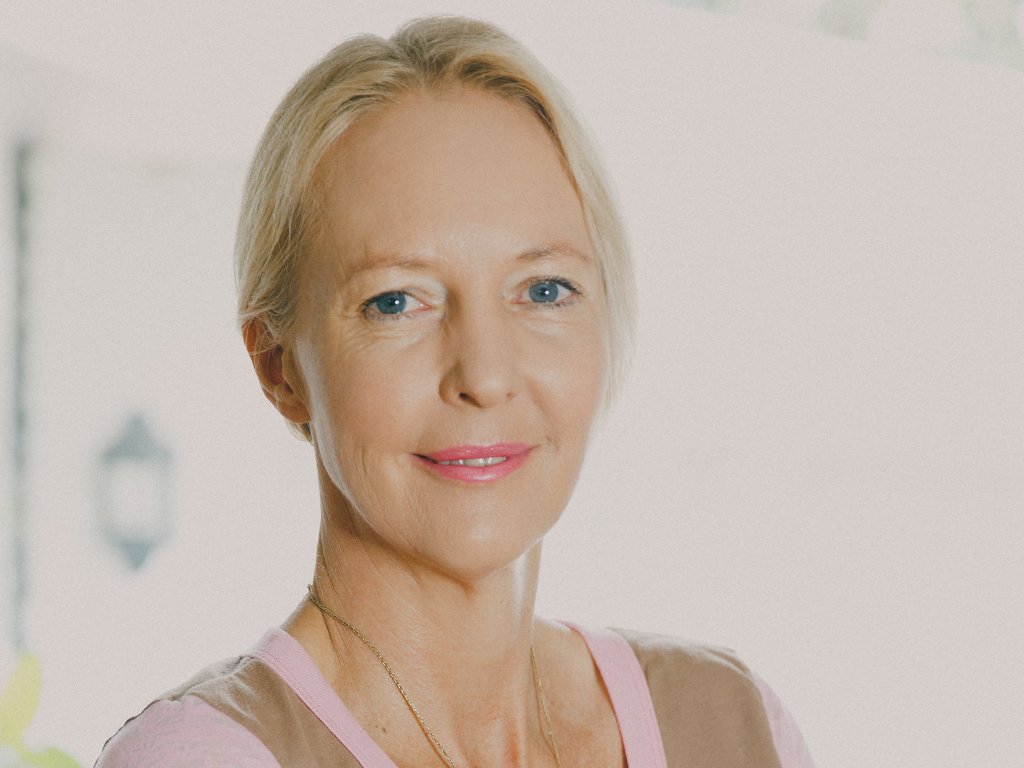
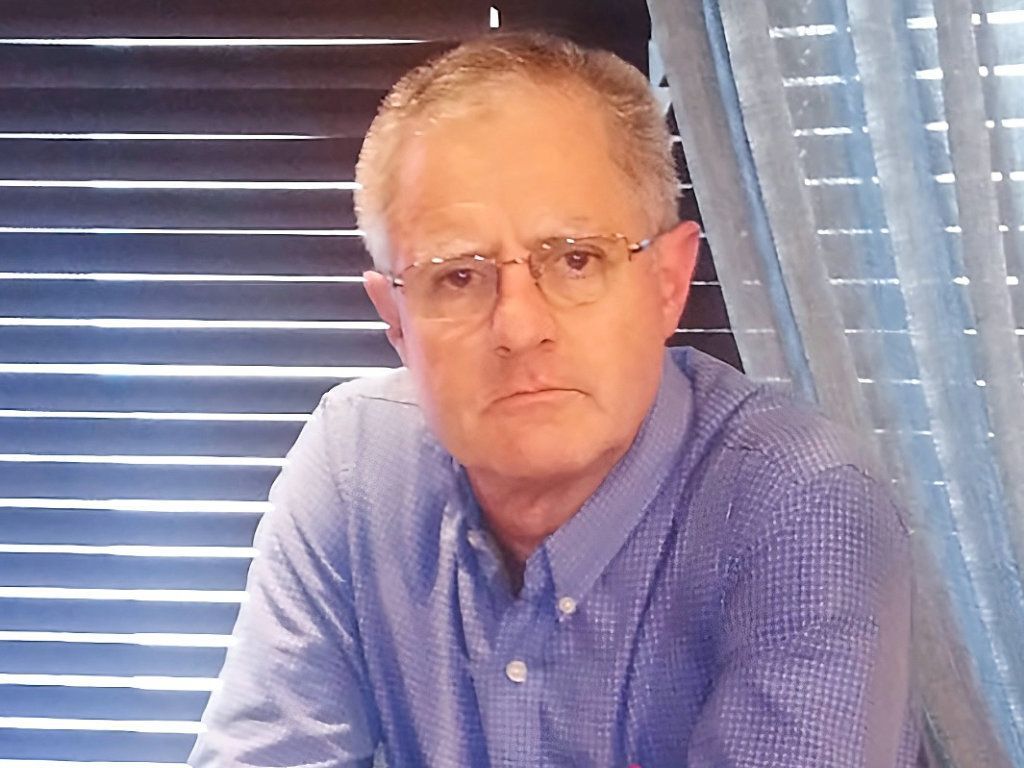
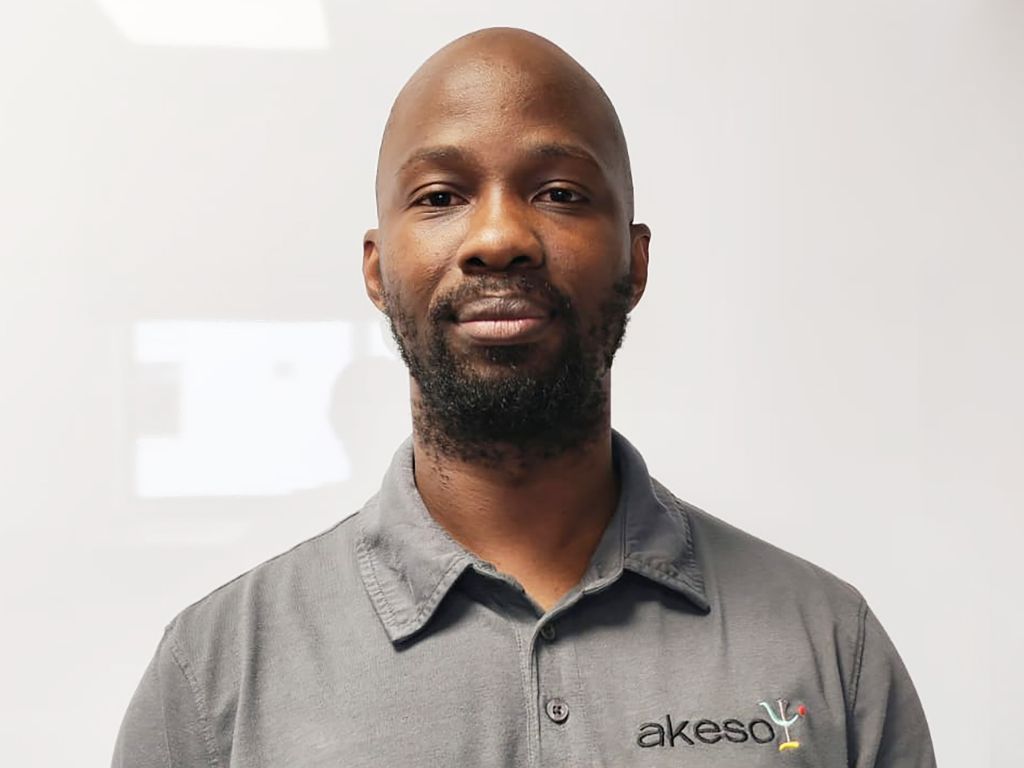
Dr Herman Breet, Dr Jadine Du Plessis, and Dr Jaco Viljoen (left to right) performed South Africa's first liquid nitrogen limb salvage surgery at Netcare Unitas Hospital.
Patient’s own bone treated and reimplanted in breakthrough procedure
In a South African first, a Centurion-based surgeon has successfully performed a hip and limb salvage procedure using a liquid nitrogen dipping technique.
This pioneering approach, performed at Netcare Unitas Hospital in Tshwane this week, could significantly expand treatment options for certain patients with orthopaedic cancers, particularly those who would typically require removal of the affected bone and its replacement with a large prosthesis.
The operation saved the leg of a 15-year-old boy with Ewing’s sarcoma, an aggressive bone cancer. Standard treatment usually involves removing the cancerous section of bone and replacing it with either a large metal prosthesis or the patient’s own bone after irradiation to destroy cancer cells.
“When I explained that conventional surgery meant no more contact sports, I saw the devastation in his eyes – and in his father’s. That’s when I knew we had to try something different,” recalls Dr Jaco Viljoen, an orthopaedic surgeon with a special interest in orthopaedic oncology.
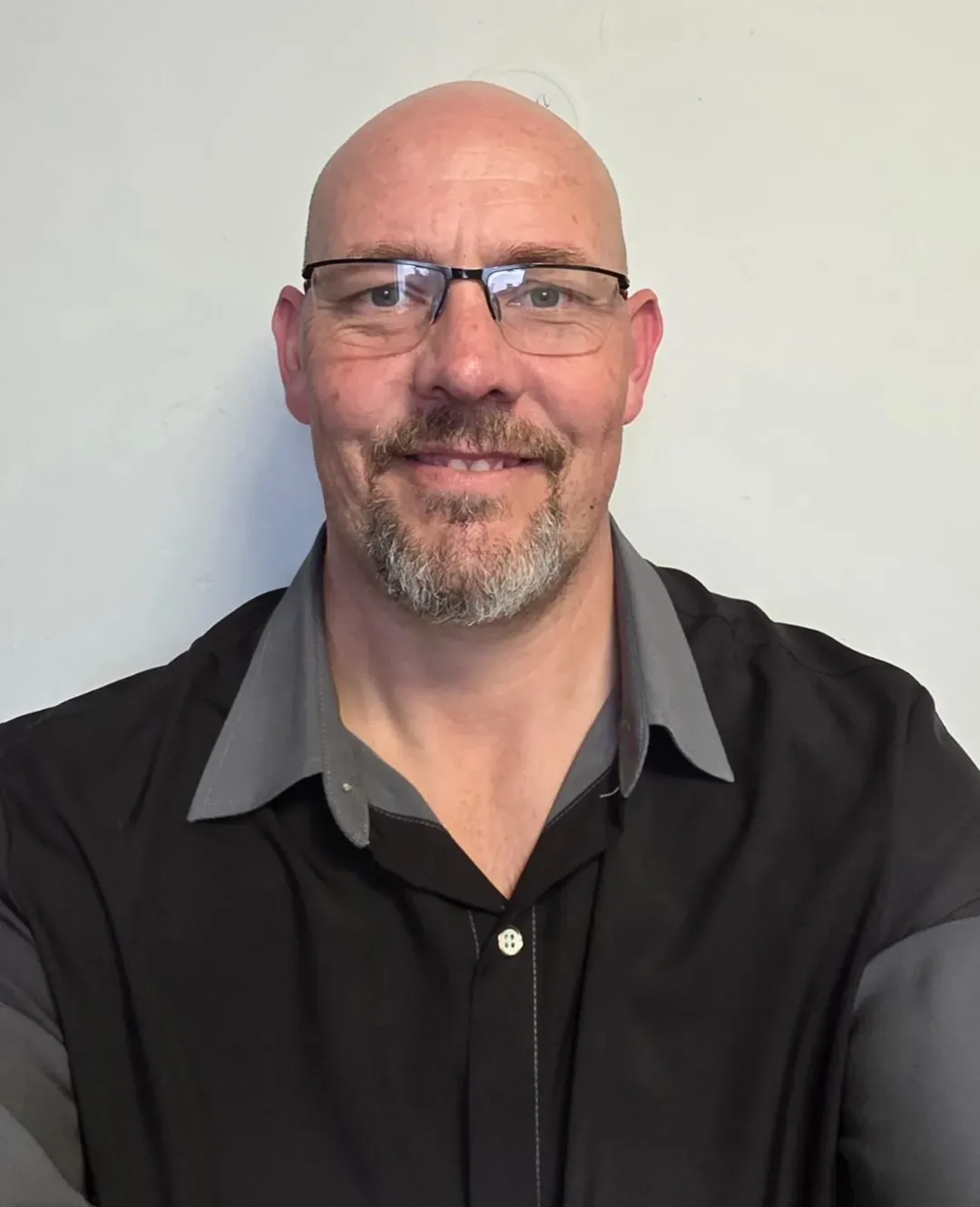
Dr Jaco Viljoen, orthopaedic surgeon specialising in oncology, who performed South Africa's first liquid nitrogen limb salvage procedure at Netcare Unitas Hospital.
“I’d been prepared for this exact scenario for ten years. When I mentioned there might be another way – a chance he could play sport again – their faces lit up,” says Dr Viljoen.
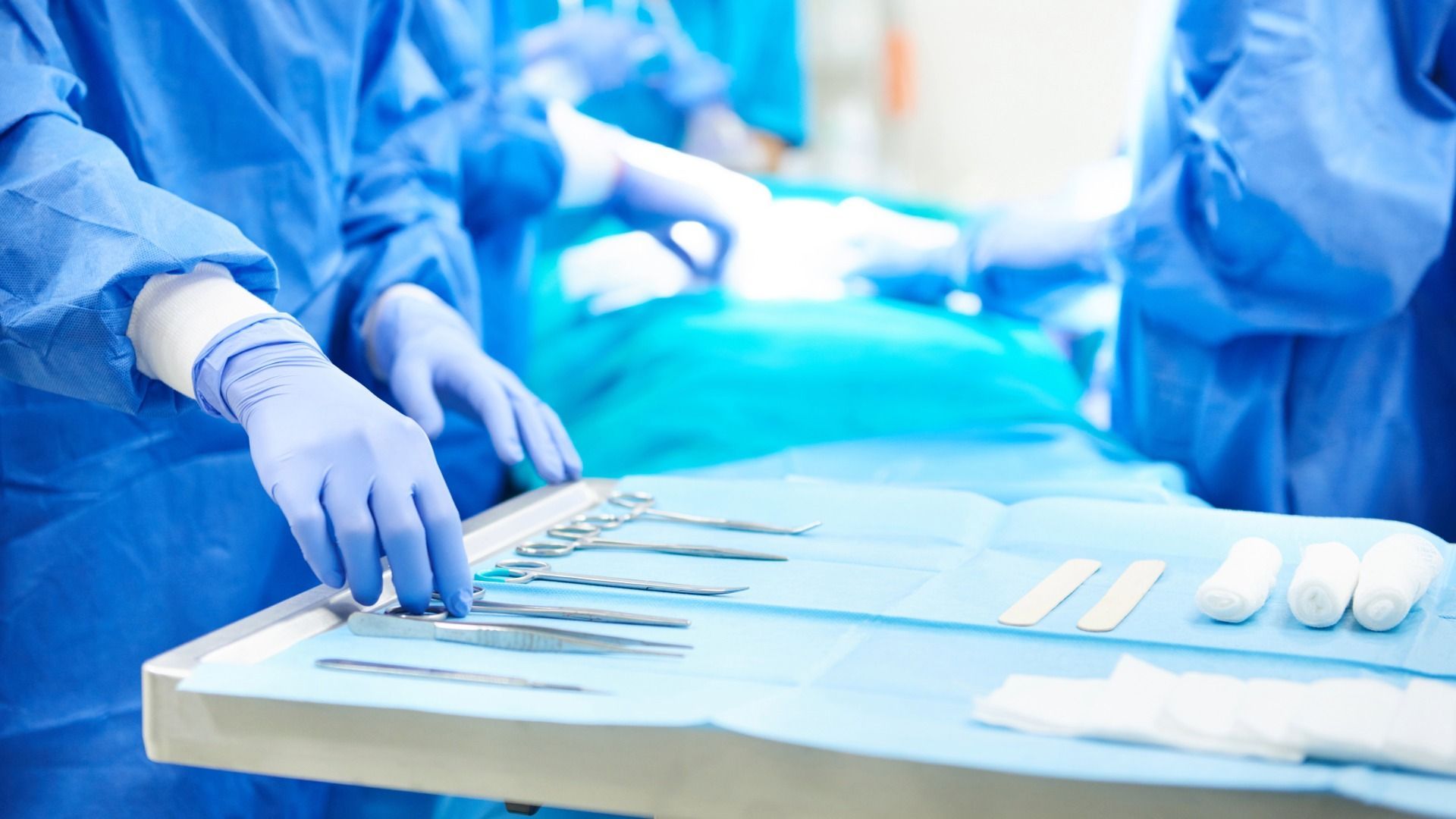
During the four-and-a-half-hour procedure, Dr Viljoen led a skilled team in removing a 24-centimetre section of the teenager’s femur (thigh bone) where the cancer had developed. Working alongside Dr Viljoen were assistants Dr Jadine Du Plessis and Dr Herman Breet, anaesthetist Dr Bianca Brits, and scrub nurses Registered Nurse Gloria Kgwete and Enrolled Nursing Assistants Leah Lekoane and Mahlatse Motheta.
The team treated the removed segment by immersing it in liquid nitrogen at -179°C to destroy cancer cells. The bone was then reimplanted, marking the first time this technique had been performed in South Africa.
“This kind of complex surgery is only possible with an exceptional team. Every person in that operating theatre played a crucial role in giving this young man his future back,” Dr Viljoen said.
Ewing’s sarcoma is the second most common bone tumour in children and adolescents, according to a recent study in The Lancet Oncology. This aggressive cancer primarily affects individuals aged 10 to 20, with about 80% of cases diagnosed before the age of 20. It most commonly arises in the long bones of the legs and arms, as well as in the pelvis and chest wall, accounting for 10 to 15% of all bone cancers. Without treatment, the disease progresses rapidly, making early intervention critical.
“A day after surgery, the patient was alert and showed good neurovascular function in the affected leg – promising early signs. He even managed a few assisted steps with his physiotherapist, Leonie De Lange. Follow-up tests will monitor how well the treated bone integrates, and we’re cautiously optimistic about his progress,” comments Dr Viljoen.
“This technique marks a significant departure from standard treatment. The traditional approach would have involved the complete removal of the affected bone, followed by a complex prosthetic reconstruction of the hip, which often limits long-term mobility and rules out a return to contact sports. A second alternative – irradiating the patient’s bone before reimplantation – can compromise bone integrity and increase the risk of non-union, often requiring further surgery. For this keen young rugby and cricket player, preserving his natural bone and joint function was a critical consideration,” he adds.
The ideal solution stemmed from a Japanese technique Dr Viljoen had been holding in reserve. The sophisticated procedure, though developed by specialists in Japan more than a decade ago, is rarely performed worldwide – particularly not in patients with Ewing’s sarcoma – and requires exceptional precision. The extreme cold destroys cancerous tumours while preserving the bone’s architecture, allowing it to heal naturally once reimplanted and secured with surgical pins.
“We’ve effectively preserved his bone and hip joint. His own bone will regenerate and integrate with the surrounding tissue. For a young person, that’s game-changing, as his leg can continue to develop normally.
By preserving his natural anatomy, this procedure offers him the possibility of returning to full activity once healed. This technique offers hope of avoiding amputation in other clinically appropriate patients,” explains Dr Viljoen.
Dr Viljoen previously headed the Tumour, Sepsis and Limb Reconstruction Unit at Steve Biko Academic Hospital. A graduate of the University of Pretoria, he completed his orthopaedic specialisation in 2015 and now practises privately at Netcare Unitas Hospital and Netcare Montana Hospital.
“Dr Viljoen and his colleagues have added another chapter to South Africa’s legacy of medical excellence. But, this is about more than innovation – it’s proof that worldclass orthopaedic care happens right here at home, offering hope to patients facing life-altering conditions such as Ewing’s sarcoma,” adds Dr Erich Bock, managing director of Netcare’s hospital division.
“This is what sets exceptional healthcare apart – seeing the whole person, not just the disease. Dr Viljoen and his team haven’t just treated cancer – they’ve preserved a young man’s dreams. That is the true essence of person centred healthcare,” concludes Dr Bock.