Burnout builds slowly, check in with yourself now
Balance is key to finishing 2026 strong
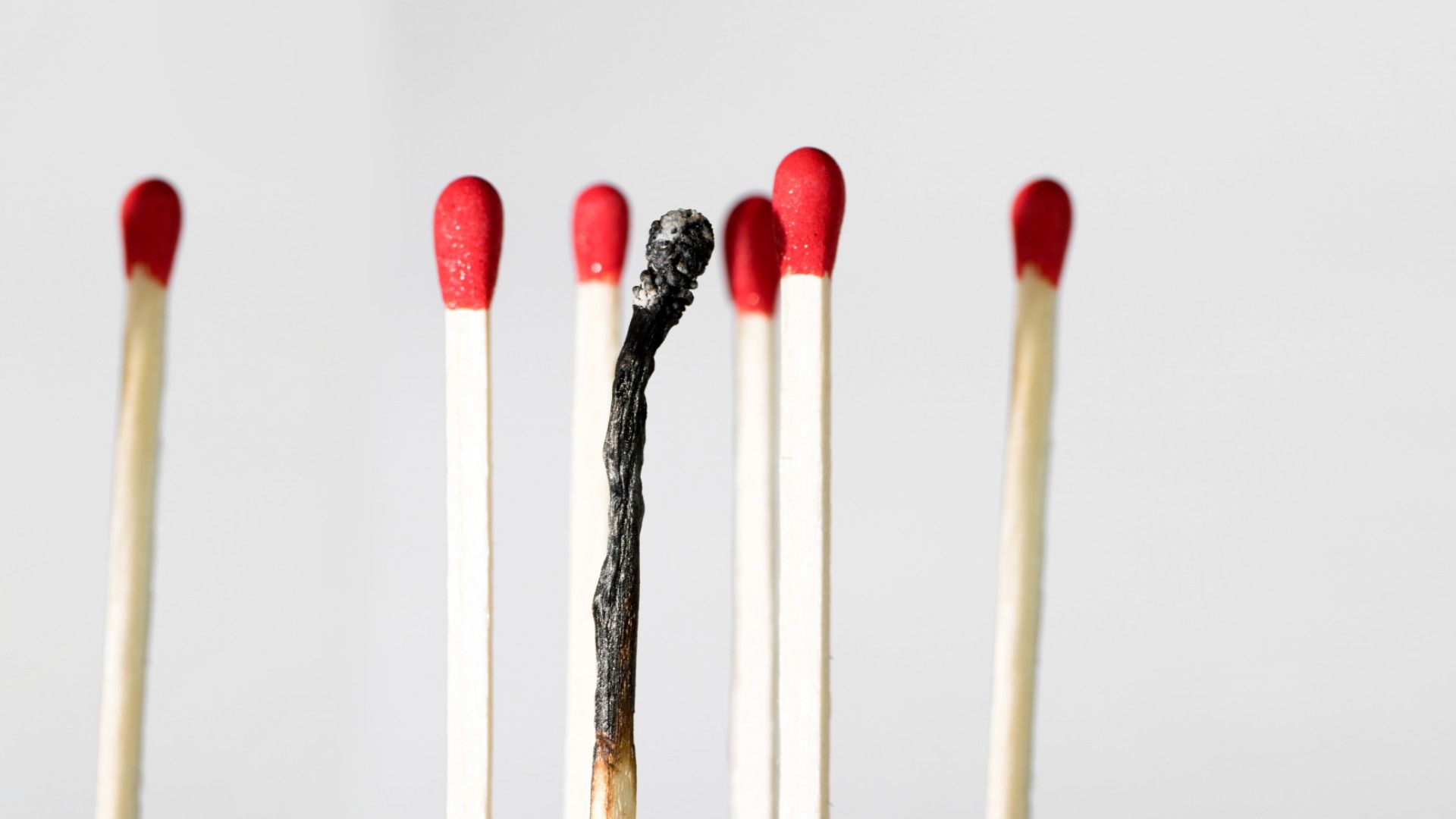
Burnout has emerged as a significant threat to mental health and workplace productivity, yet it develops so slowly that few people recognise the warning signs early enough to prevent reaching this point of emotional and physical exhaustion.
“The state commonly described as burnout means our internal resources have become chronically depleted over time, potentially placing our mental and physical wellbeing at risk,” says Mahlatse Mothogoane, an occupational therapist and Centre of Psychotherapy Excellence (COPE) manager at Netcare Akeso Polokwane.
“When we are emotionally healthy, we tend to be more resilient, empathetic and communicate more effectively with others. This enhances our ability to focus, our creativity and motivation, and makes us more adaptable and better equipped to handle pressure, improving our productivity.”
Few people pause to take stock of their emotional wellbeing and the state of life balance required to maintain high functioning amid the busy pace of life in 2026, until they are forced to do so when a crisis point is reached.

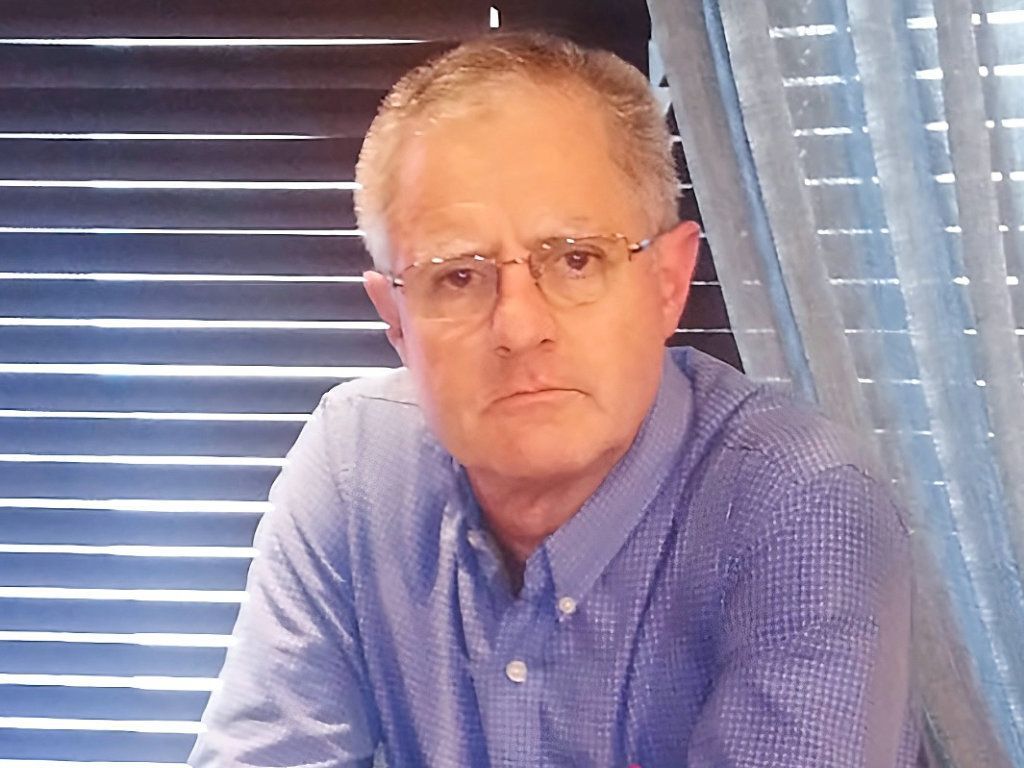
Mahlatse Mothogoane, an occupational therapist and Centre of Psychotherapy Excellence (COPE) manager at Netcare Akeso Polokwane.
“It is therefore very important to regularly check in with ourselves and identify our emotional needs. Mid-year presents the ideal opportunity for reflection and to identify patterns that are not sustainable before we become overwhelmed. This gives us the chance to reset and make the necessary changes to prevent burnout,” he says.
“Looking back on the previous six months provides valuable data to help us evaluate how we use our time and energy for the rest of the year. This is a good opportunity to review our personal goals, routines and habits, identifying which may be contributing positively to our health and wellbeing and those which are creating unnecessary stress.”
Self-check
- What is working for you, and what is not at this point in your life?
- Are you getting enough quality sleep each night?
- Self-care is non-negotiable. Are you prioritising your needs enough?
- Are you maintaining healthy boundaries? It’s OK to say ‘No’.
Signs you could be heading for burnout
- Irritability
- Procrastination
- Prolonged exhaustion
- Socialising less than usual
- Decreased motivation for exercise
- Headaches, digestive issues or generalised muscle tension without medical cause
- Changes in sleeping or eating patterns
- Tasks take longer to achieve
“If you notice any of the warning signs of burnout, consider this an opportunity to take action before the situation worsens and to regain the balance needed to cope with the demands of everyday life,” says Mothogoane.
He points out that restoring balance requires a holistic approach that treats the mind and body as an interconnected system.
“Practical strategies that address both body and mind simultaneously include practising sleep hygiene, regular movement or physical exercise, self-care including relaxation or meditation, and practising gratitude,” he says.
“Setting healthy boundaries and learning to say no to unnecessary demands should also be prioritised. Then recalibrate your goals to what is healthy and realistically achievable for you. Invest time in your relationships and seek support from your friends and family.”
Mental health symptoms, such as anxiety and depression, are often exacerbated by stress and exhaustion. Make an appointment with a psychologist, psychiatrist, or occupational therapist practising at your nearest Netcare Akeso for professional support, if needed.
“Taking time to reflect and recalibrate now can help us take on the rest of the year with confidence, equipped with sufficient internal resources to finish 2026 with resilience and strength,” Mothogoane concludes.