Medical emergencies and accidents are a reality of life
Drickus Maartens • May 21, 2020
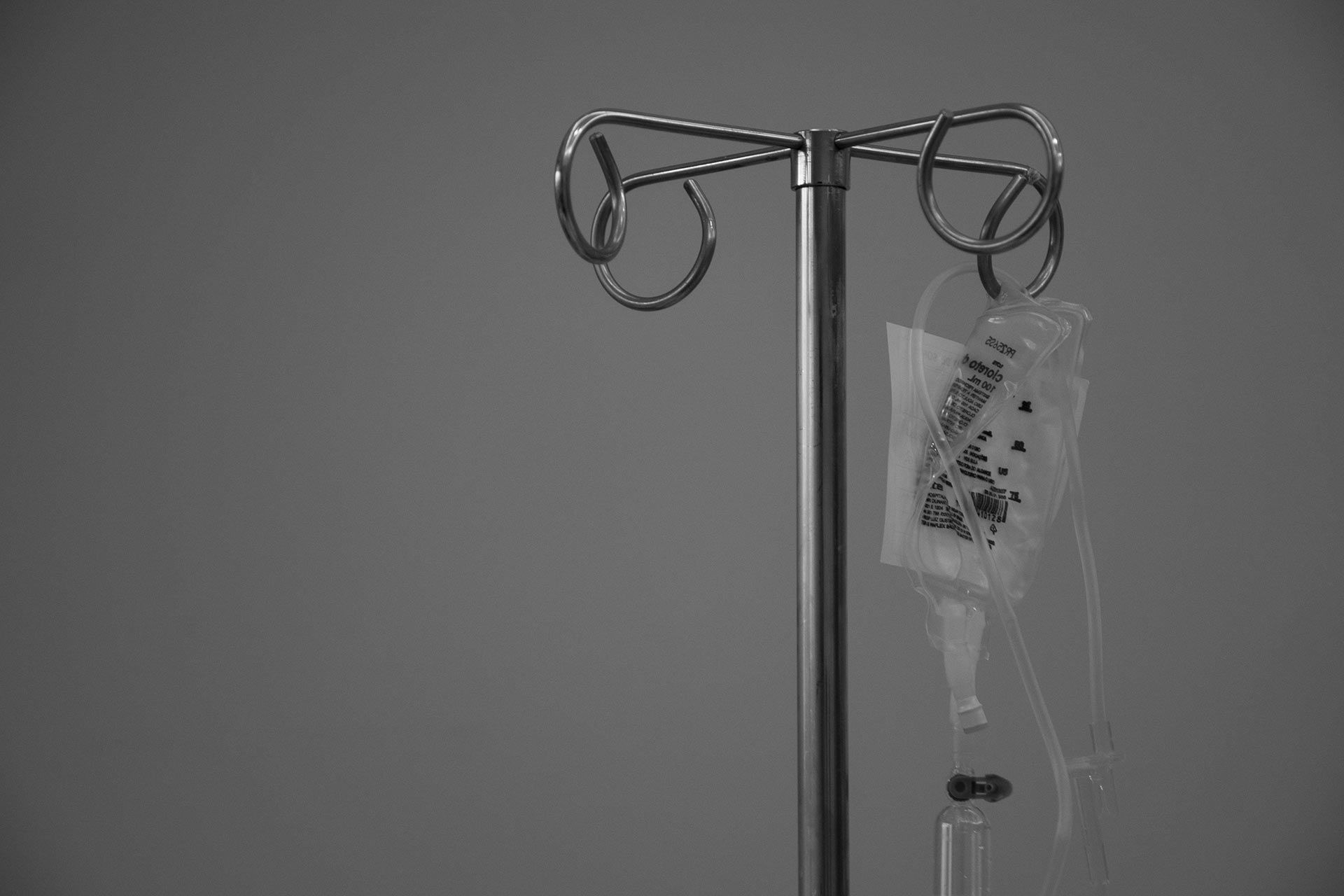
Netcare ready as always to assist with specialised emergency care
While our world as we knew it might have changed, emergencies remain a reality of life. Even during the lockdown period, people unfortunately still suffer medical emergencies ranging from heart attack, stroke, concussion or broken bones from falls, right through to burns and injuries from road accidents.
“In recent weeks, we have received a number of requests from members of the community seeking assurance that the emergency departments (EDs) at our hospitals remain ready and committed to treat all emergencies,” says Mande Toubkin, general manager emergency, trauma, transplants and corporate social investment at Netcare.
“Your healthcare needs are our priority. While the last two months have been a very difficult time for everyone and the COVID-19 pandemic has affected all of our lives dramatically, essential healthcare services have been accessible throughout for those in need of healthcare assistance. Our EDs stand ready to assist all emergency cases.”
Toubkin says there is no need to postpone seeking urgent and emergency medical care at an ED because you may be anxious or uncertain about the safety of the environment at hospitals, as strict precautionary safeguards are firmly in place within all Netcare EDs to maintain a safe environment.
“All persons seeking assistance at our EDs are risk assessed and if indicated are tested for COVID-19 in specially erected facilities at the entrances to the EDs. All ED facilities have been demarcated into specific areas, to treat patients appropriately according to their risk profile and dramatically reduce the possibility of cross-infection. Infection prevention is further enhanced through continuous deep cleaning of the EDs. Although the facilities may look a little different because of the strict infection prevention measures, they enable us to take care of every person more safely.
“Furthermore, all our staff members are screened daily for COVID-19 and are not permitted to work if they show any possible symptoms related to COVID-19 infection. All doctors, nurses and administrative staff members are wearing protective equipment to protect themselves, as well as the persons seeking emergency care at our facilities. At first, seeing the staff in protective gear including masks and visors, may be a little overwhelming but it is for everyone’s safety.
In addition, we are even able to schedule appointments directly with the ED in your community, to allow individuals to spend as little time in the ED as possible. These measures mean that we are fully prepared to safely manage your healthcare needs when you come to the ED for medical care,” Toubkin explains.
According to Toubkin, Netcare 911’s fleet of ambulances and emergency response vehicles remain fully operational, while maintaining the required infection prevention protocols.
“We urge you to come to the ED if you are concerned about your health, especially if you have severe chest or abdominal pain, difficulty breathing, general weakness or for any other medical problem. You can also call Netcare 911 on 082 911 for ambulance assistance.
“It is more important than ever not to neglect your or your family’s health during this time. Make an appointment with your GP if you or a loved one is unwell, or come to hospital, because YOU are in safe hands in our emergency departments,” Toubkin concludes.
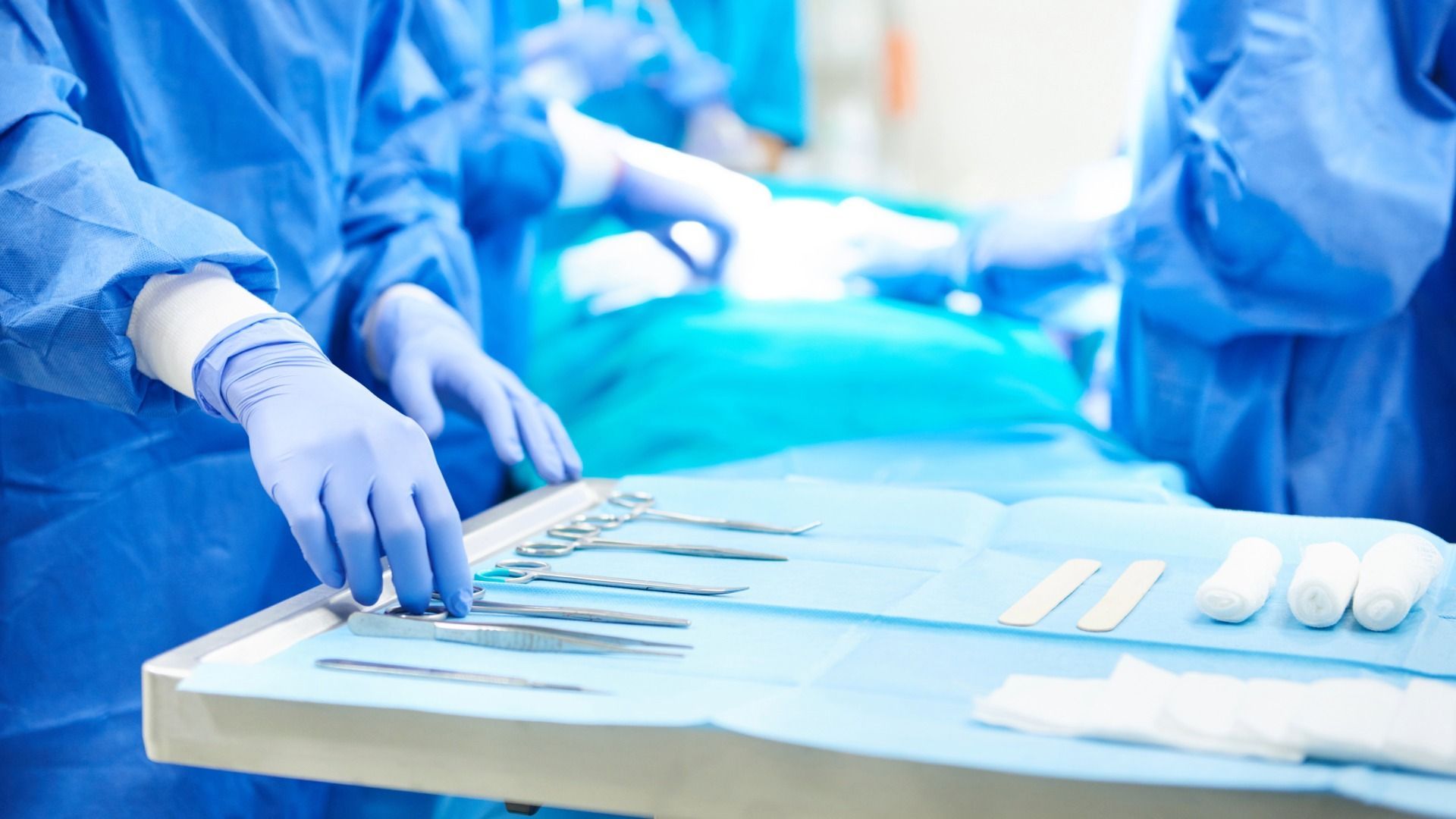
A workplace accident left assistant mechanic Theunis du Plessis with a steel reinforcing rod passing through his chest, entering under his arm and exiting through his opposite shoulder. Dr Sanju Sobnach and his team faced an extraordinary trauma case.

15 September marks World Lymphoma Awareness Day, and CANSA is joining the global call to ensure that no person affected by lymphoma has to navigate their diagnosis, treatment, and recovery alone.

There’s a perception that vaping is harmless, but it is highly addictive and poses serious health risks. Pulmonologist Dr Mahomed Seedat warns about the dangers.

The immune system protects us from viruses, bacteria and cancer. According to Dr Lukas Moolman, the goal of a healthy immune system is to be smarter and balanced.
Gastroenterologist Dr Nasief van der Schyff shares seven tips for managing acid reflux and explains when to seek help if you suspect you have GORD (gastro-oesophageal reflux disease).

Many people being treated for cancer may not realise that concentrated vitamins, herbal products and chronic medicines can affect how oncology treatments work

Can’t keep food or fluids down during pregnancy? Dr Peter de Jong warns it’s not ‘just morning sickness’. Dehydration is a medical emergency.

When you spot the warning signs of burnout, it’s time to take action. Occupational therapist Mahlatse Mothogoane points out that paying attention early is crucial.

When Rano Kayser was admitted to hospital with failing lungs, standard ventilation was no longer enough. To prevent organ failure, pulmonologist Dr Hlanjwa Maepa and her team initiated ECMO treatment.

Don't let doomscrolling steal your rest. Mental health and daily productivity rely on quality sleep, notes our clinical psychologist Tony Gouveia