Concerning skin cancer trend reflects urgent need for prevention
Sun safety a year-round concern for all population groups, says healthcare administrator
One of the country’s largest medical scheme administrators is urging South Africans to be mindful of sun safety year-round and to have regular screenings, following a significant and concerning trend in the number of skin cancer cases recorded.
Universal Healthcare, which administers numerous closed and open medical schemes across a broad and diverse member population, is reporting a 130% increase in members with non-melanoma skin cancer over an eight-year period.
“This upward trend over a relatively short period may be attributable to a growing awareness about skin cancer screening following various forms of member education among the schemes we administer,” says Dr Odwa Mazwai, Managing Director of Universal Care.
“Regular skin cancer screening enables early diagnosis and effective treatment, which is positive. However, these figures highlight a longstanding problem in our country that urgently needs to be brought under control.

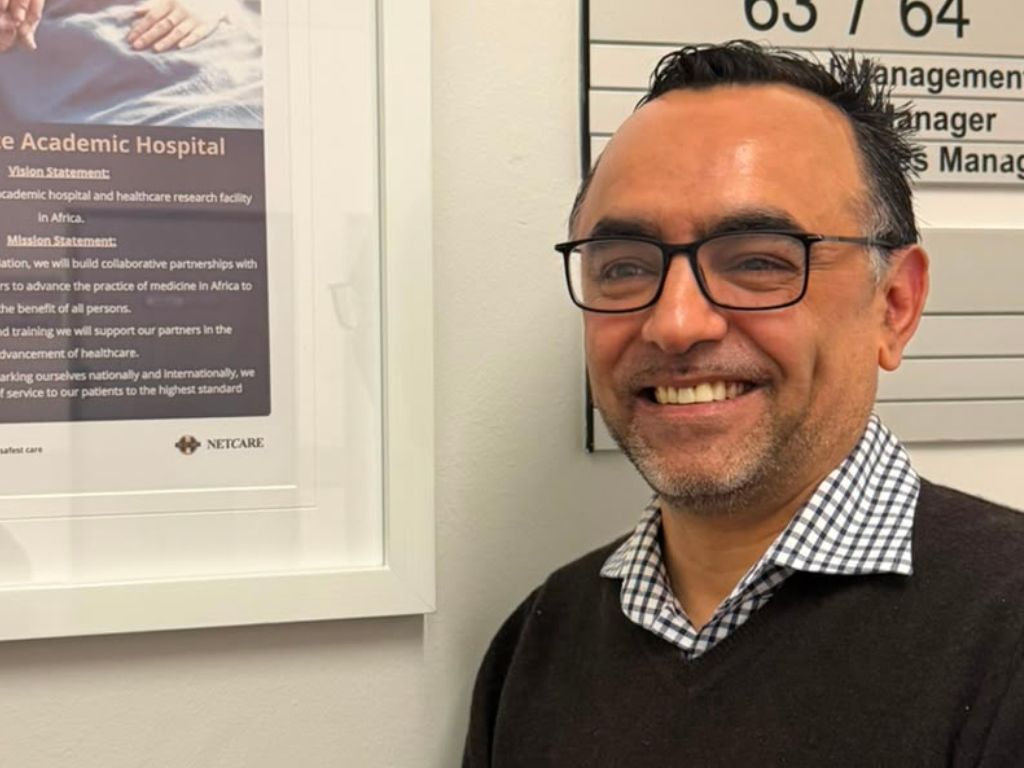
Dr Odwa Mazwai, Managing Director of Universal Care
“South Africa has the highest incidence of non-melanoma skin cancer in Africa. Furthermore, it is predicted that the number of new non-melanoma skin cancer cases identified here will increase by 28% by 2030 and by 73% by 2040,” he notes.
There are three major types of skin cancer: basal cell carcinoma, squamous cell carcinoma, and melanoma. Non-melanoma refers to basal cell and squamous cell carcinomas, which can be more easily treated if diagnosed early. Melanoma is listed among the top ten most frequently diagnosed cancers in South Africa, as reported in the 2023 South African Cancer Registry.
While the prevalence of melanoma has remained relatively constant in both the Universal scheme population and in the South African general population, it is predicted that the number of new melanoma skin cancer cases identified in South Africa will increase by 24% by 2030 and by 62% by 2040.
A long-term view
Dr Mazwai points out that a proactive approach to sun protection and skin cancer screenings could reduce the toll of skin cancer over time, both in terms of human life and healthcare costs.
“Looking at the age profile of non-melanoma skin cancers, it tells a clear story about the repercussions of lifestyle behaviours as far down the line as 60 or 70 years on. Just 11.6% of skin cancer patients are between the ages of 18 and 49 years, 41.9% are aged 50 to 69, and 46.5% are older than 70 years.
“Skin cancer can happen at any age, but most patients are diagnosed only after the age of 50, even though the majority of sun exposure occurs earlier in life. Sun safe practices are crucial throughout life.
Year-round awareness
“South Africa has a rich history of outdoor sports and activities throughout the year due to our fine weather. We also have a growing interest in outdoor and social fitness events, which often coincide with sun exposure. It is vital to be aware that the risks associated with sun exposure continue throughout all seasons, particularly as we have so many days of sunshine in a year,” he notes.
Dr Mazwai adds that South Africa has an average ultraviolet (UV) radiation index of 10, which is considered very high, with particularly high levels in December and January. The UV radiation index is an international standard measurement that reflects the strength of the sun’s radiation. Effective protection measures are essential in areas where the average index is above 8.
“There is an urgent need to reduce the risks of skin cancers by making a daily habit of protecting yourself from the damaging effects of the sun’s ultraviolet A (UVA) rays. UVA rays can penetrate through glass, umbrellas, and clouds and are responsible for long-term skin damage, the ageing process and potential skin cancers,” he explains.
All population groups affected
According to Dr Mazwai, all South African skin tones are at risk of skin cancer. Despite common misconceptions, all South Africans should take the necessary safe sun precautions.
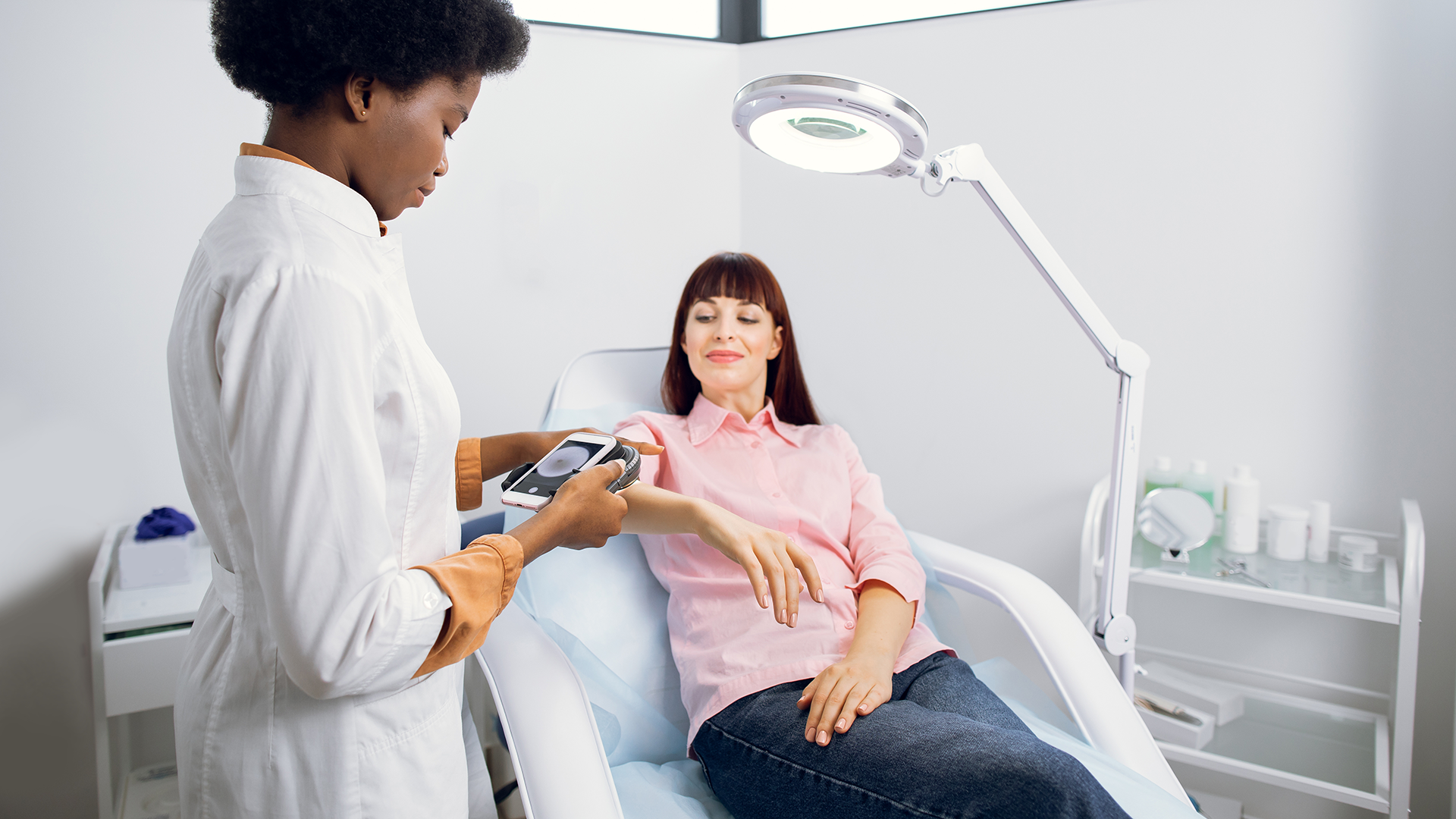
“Fortunately, preventative measures are simple enough to implement. Reduce UV exposure by seeking shade between 10h00 and 16h00, avoiding sunbeds, correctly using an effective sunscreen and UV protective clothing when working or enjoying recreational activities in the sun. Regular skin cancer screenings with your physician should automatically form part of your scheduled preventative healthcare checks.
“Educating and protecting the next generation is one of the most important jobs of every parent, caregiver, and community influencer. We can turn these numbers around and continue to enjoy the sunshine, but it requires sun safe practices as part of your daily healthy habits,” he concludes.