Point of view: Life without kidney function
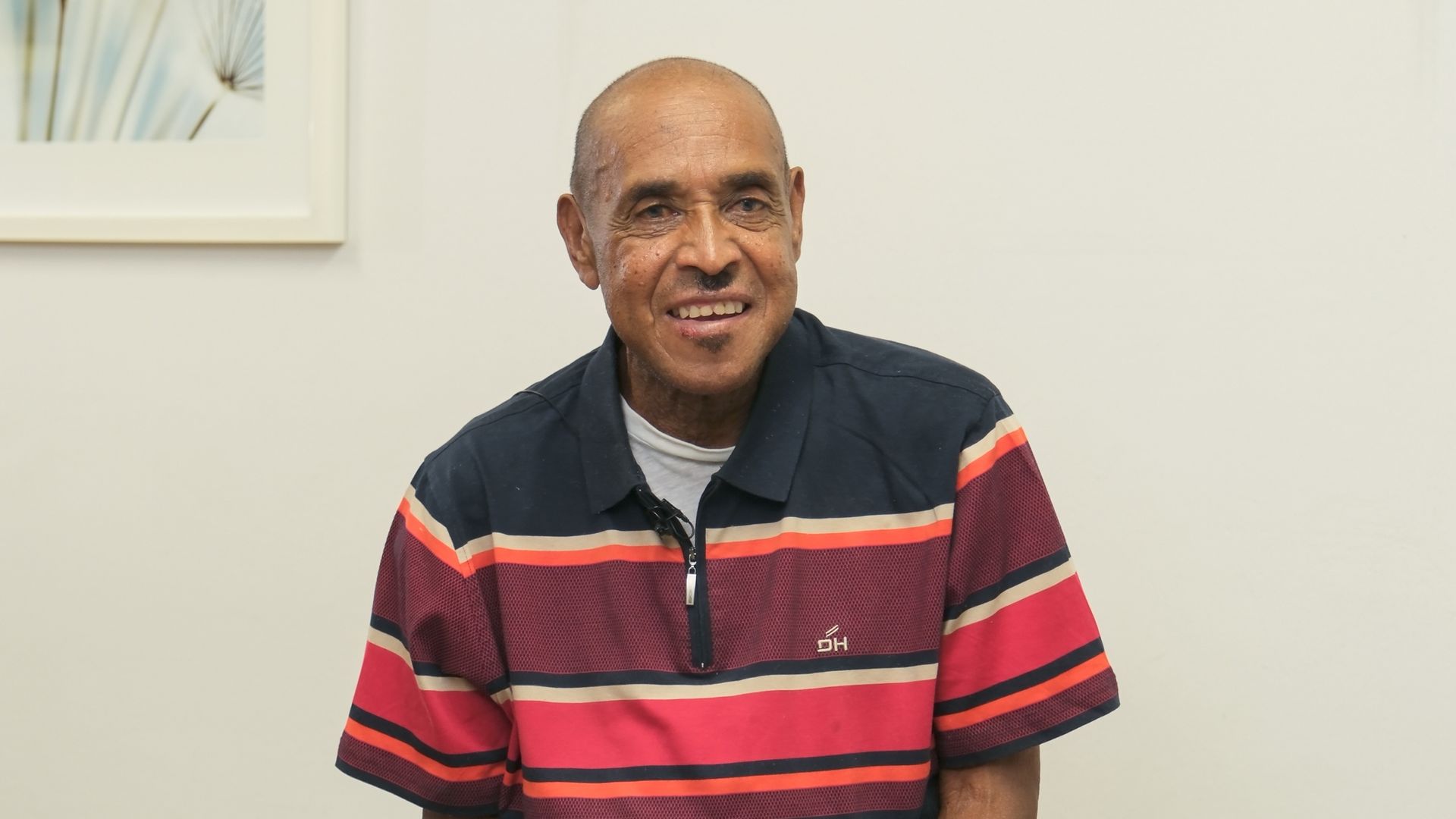
Alexis Chapell shares his personal journey of kidney failure and the life-sustaining dialysis therapy of National Renal Care that he has relied on since 2009.
Prevention, people and planet prioritised in renal care
Music lover and style aficionado Alexis Chapell’s days are full – from shopping for his elderly father to travelling for business and tending his flower garden. Three days a week, he wakes up extra early to attend four hours of dialysis therapy at 4am before starting his day – his life depends on it.
“I live a normal life. I go to dialysis like some people go to the gym,” says Alexis, aged 62, who has been living with kidney failure since 2009.
“Acceptance is the worst part of the kidney failure journey. It is rare that a person feels any symptoms of kidney disease approaching, and at that time I felt healthy and strong. I knew I had chronic high blood pressure, it is a family illness, but it didn’t bother me much. I partied a lot – I’ve always had a love of music, and even now that I’m older and living clean, I never turn down a social invitation,” Alexis says.
“When I was first diagnosed after landing up in hospital in 2009, I asked the doctors why would I have kidney failure? The answer shocked me – my blood pressure got so high that it destroyed my kidneys. Blood pressure silently harms other parts of your body, and in my case without warning my kidney function was destroyed.”

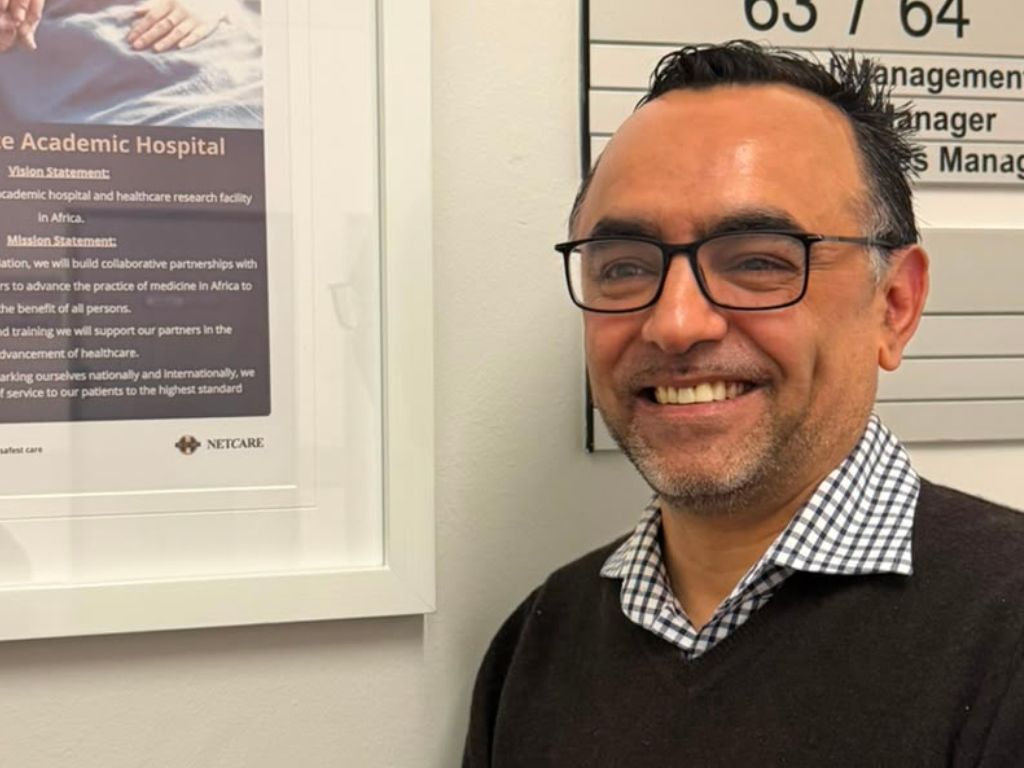
Dr Chevon Clark, chief executive officer of National Renal Care (NRC)
“Diabetes and hypertension are consistently identified as the leading causes of chronic kidney disease globally, and family history is also a well-established risk factor,” says Dr Chevon Clark, chief executive officer of National Renal Care (NRC), which operates as a joint venture between Adcock Ingram Critical Care and Netcare Limited.
NRC provides the vital dialysis service that replaces the function of the kidneys for people like Alexis, whose kidneys have failed. In addition to haemodialysis, where a dialysis machine and semipermeable membrane artificially filter blood, and peritoneal dialysis, which uses the patient’s peritoneal membrane as the filter, NRC units countrywide offer a range of additional services for all stages of kidney disease.
“The primary goal of dialysis is to sustain life by substituting the excretory function of the kidneys. Dialysis artificially removes metabolic waste products, excess water, and rebalances electrolytes from the person’s blood when their kidneys are no longer able to perform these functions adequately,” Dr Clark explains.
Alexis usually has his dialysis at NRC Arcadia, based at Netcare Jacaranda Hospital in Pretoria. He often travels to Cape Town on business, where he attends dialysis at NRC Cape Town CBD, based at Netcare Christiaan Barnard Memorial Hospital.
“Although the unit in Cape Town is bigger, I prefer my familiar unit at NRC Arcadia because it feels like family. Between the technicians, staff and patients, we have a real sense of community. We spend a lot of time together, and it’s not unusual for me to have a coffee in the canteen and chat with members of the NRC team. For them, it’s not just a job; they really care about us, and we care about them too,” he says.
“Early identification of at-risk individuals, especially those with diabetes, hypertension, or albuminuria, which is protein in the urine, can help slow or prevent the progression to kidney failure with evidence-based pharmacologic and lifestyle interventions,” Dr Clark says.
“Through providing personalised early clinical support for renal patients, it is often possible to avoid the need for dialysis, or delay it by years,” she explains.
Other risk factors for chronic kidney disease may include exposure to nephrotoxic medications, which can have side effects that may damage the kidneys, recurrent urinary tract infections, kidney stones, smoking and dietary factors, as well as older age, congenital anomalies, polycystic kidney disease, low birth weight or premature birth, or a history of certain pregnancy complications.
“Exposure to environmental factors, such as pollution, heat stress, dehydration and extreme weather events, is also emerging as a concerning potential contributor to renal failure. Within NRC, environmental sustainability is therefore a priority,” Dr Clark says.
“Dialysis is essential for survival, yet it is water intensive. With the strictest safety standards for our patients, we have invested in water saving technology and reduced our reliance on the municipal water supply,” Dr Clark says.
The carbon footprint of patients’ transport to units for multiple dialysis sessions each week is also being reduced with the convenience of home dialysis for clinically appropriate patients, who, along with their caregivers, are thoroughly trained by NRC staff and carefully overseen by clinicians to ensure the safety and comfort of patients.
“Among our other water, waste reduction and energy efficiency design and engineering initiatives, the most environmentally sustainable renal treatment is ultimately preventative care for people for whom kidney failure can be delayed or avoided. By prioritising prevention, early detection and greener therapies, we can protect both kidney health and the planet.”
With the support of his wife and the NRC Arcadia team, Alexis says dialysis does not define his life. “I am still the breadwinner for my family, and I don’t let my life stand still because of dialysis. I enjoy my time there talking to the people, and when I am finished, I carry on with my day. I have an eye for nice clothes, and sometimes I treat myself to a stylish new shirt to wear to church on Sunday – and I feel good,” he says.
“I wanted to share my personal story so people can be more aware of the risks of kidney failure, which I wasn’t aware of. I know how difficult it is to come to terms with this new way of life, and I want to show people who are newly diagnosed that it is possible to live a full life on dialysis,” Alexis concludes.
Visit
www.nrc.co.za for more information.