Cancer screenings essential for a healthy lifestyle
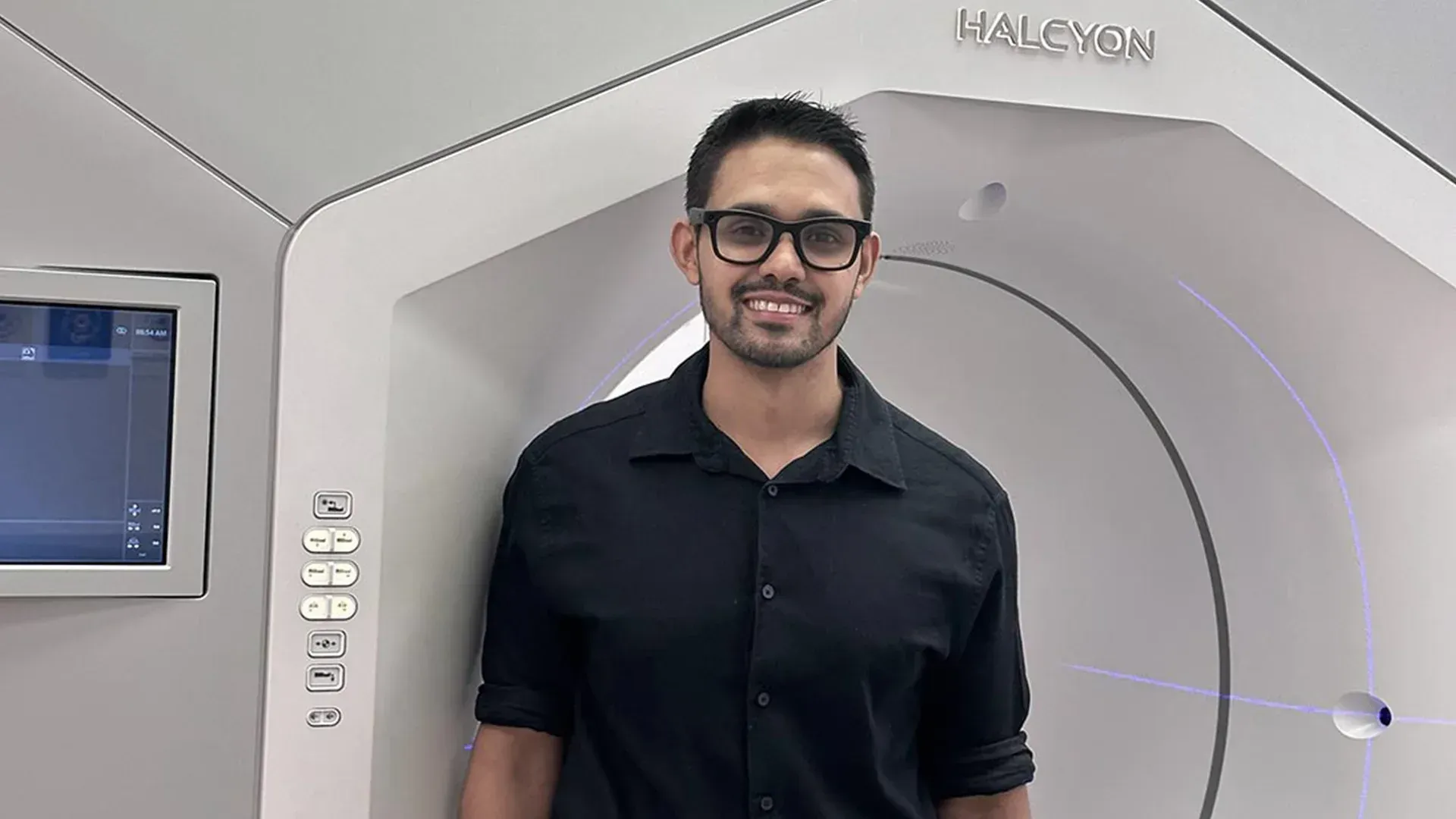
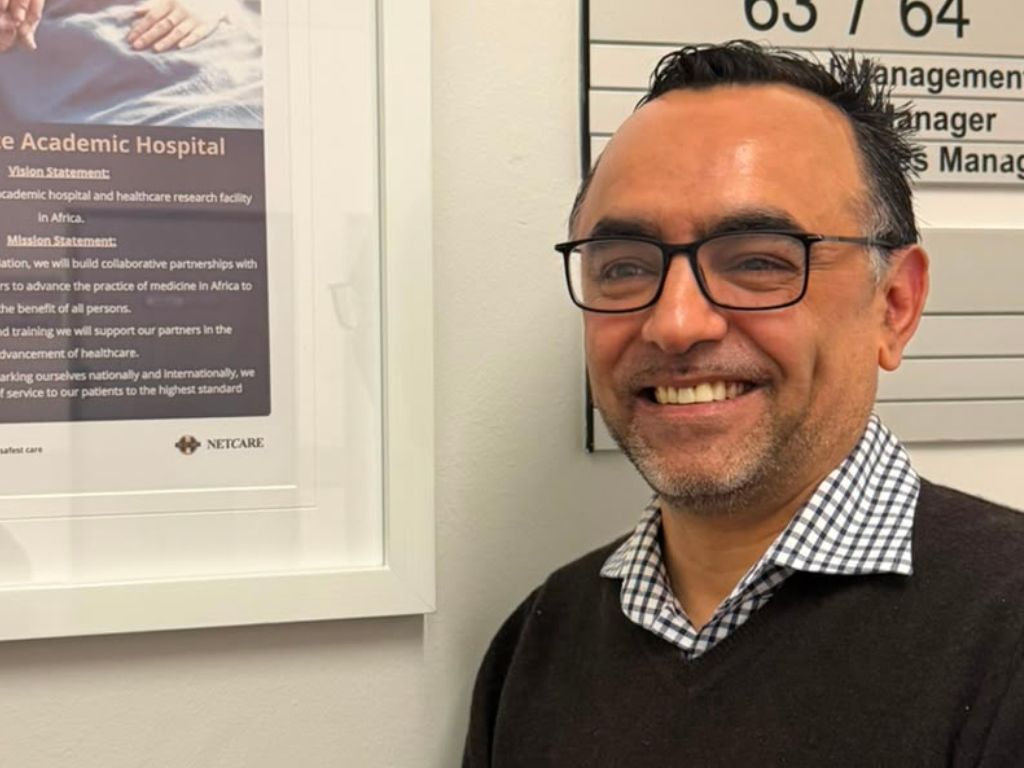
Clinical and radiation oncologist Dr Trenton Oliver. Photo: Netcare
With cancer rates on the rise, make time for early detection
There is more to long-term health than keeping fit and eating right. Two oncologists are urging the public to become more aware of lesser known ways to reduce the risk of common cancers and how new technologies are improving the treatments available today.
“Anyone who values their health cannot turn a blind eye to the fact that in South Africa, one in eight women and one in seven men are expected to be affected by cancer in their lifetime, with cancer rates increasing globally,” says Dr Trenton Oliver, a clinical and radiation oncologist at Oncology Health Centre.
“Too often, the preventative and screening tests appropriate for our age and personal risk factors are not prioritised – losing the valuable opportunity for early detection of many of the most common cancers before they can progress to become more serious,” he points out.
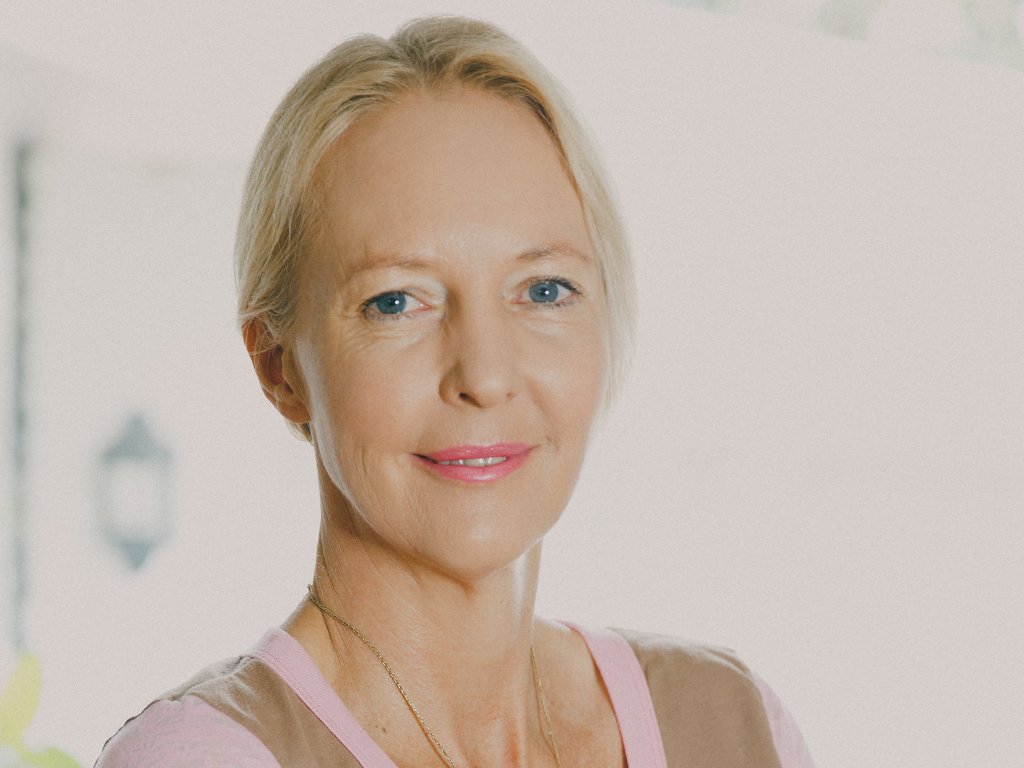
“Making time for recommended screenings in our busy lives is so crucial to our overall health – it could literally save your life,” adds radiation oncologist Dr Lucille Heslop, who also treats patients at Netcare Parklands Hospital, the only private facility in KwaZulu-Natal equipped to deliver the full range of radiotherapy treatments available in South Africa.
“For the most common cancers diagnosed in South Africa, testing has advanced to such an extent that changes associated with cancer in the body can often be detected much earlier, before they have a chance to become life-threatening,” she says.
The most commonly diagnosed cancers among women in South Africa are breast and cervical cancers, while prostate cancer and a form of skin cancer known as basal cell carcinoma top the list for men.
“In most cases, breast cancer is very treatable these days, yet a concerning trend we are seeing is that, while in the past we mainly saw older people being diagnosed with breast cancer, nowadays we are increasingly seeing younger women being diagnosed too. Please take the time to discuss your risk factors with your doctor as part of a routine check up,” she says.
The doctors emphasise that a simple check-up with your GP can make all the difference by enabling earlier detection and intervention and therefore better outcomes.
“There is less reason to fear screening than ever before, because if something is detected, more can be done through multidisciplinary collaboration on treatment plans centred on the person’s needs and individual treatment goals,” Dr Oliver says.
Significant advances in radiotherapy, chemotherapy and other cancer treatments, used either individually or in combination, are leading to more targeted, personalised therapies, such as those available at Netcare Parklands Hospital’s upgraded radiotherapy unit.
A state of the art Varian Halcyon linear accelerator (linac) and a surface guided radiotherapy (SGRT) system, installed on the existing Varian Trilogy system used for complex stereotactic radiosurgery, are already reducing treatment times while offering highly specialised treatments.
The facility also houses KwaZulu-Natal’s only private high dose rate (HDR) brachytherapy system, offering an important treatment modality for cervical, endometrial, and oesophageal cancers, among many others.
HDR brachytherapy provides highly precise, rapid verification of treatment positioning, ensuring that a high radiation dose can be delivered with minimal impact on surrounding healthy tissues. Treatment sessions are often shorter and more convenient for patients.
“With the more advanced techniques available, such as Deep Inspiration Breath Hold [DIBH] radiotherapy for breast cancer, it is now possible in many cases to treat cancer effectively while limiting treatment side effects – but this does not replace the need for early detection through regular screening,” Dr Heslop says.
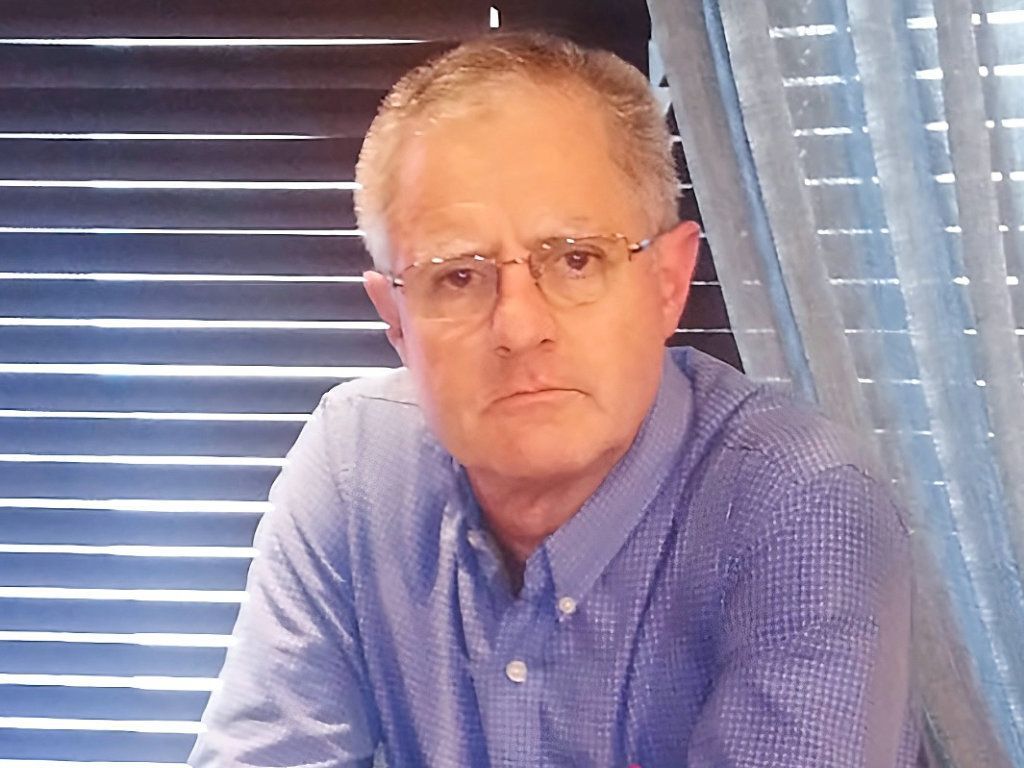
“Cancer is not a distant issue. There are few South Africans who do not know someone whose life has been impacted by cancer,” adds Dr Chris G Mathew, managing director of Netcare Cancer Care.
“Across our cancer care network, no one facing cancer walks this path alone. Our multidisciplinary medical teams, radiotherapy professionals, and caring, experienced staff support each person who turns to us on their unique cancer and survivorship journey,” he concludes.