
Personalise your pre-pregnancy preparation

Seven pointers for planning ahead
Smart lifestyle choices, the right supplements and sound emotional support are crucial for a healthy pregnancy, but there is another step that can make a real difference before those two little lines appear on the test strip – a pre-conception check-up.
Dr Mohamed Ghodhbani, an obstetrician and gynaecologist practising at Netcare Park Lane Hospital, says that if pregnancy is on your horizon, a proactive doctor’s visit can go a long way towards addressing any underlying issues, optimising your health, and helping you feel prepared in advance.
“You may not know you are pregnant until a few weeks in, so it is a good idea to already be following general guidelines, such as eating a balanced diet, getting plenty of rest, managing your weight, avoiding alcohol and smoking, and taking the necessary supplements, such as folic acid.
“More than this though, a pre-conception visit is recommended as it provides an opportunity to address any potential risks such as medical or lifestyle concerns, and helps further optimise the body’s readiness for pregnancy,” he says.
Dr Ghodhbani recommends discussing these seven pre-pregnancy points with your doctor, along with any other questions you may have.
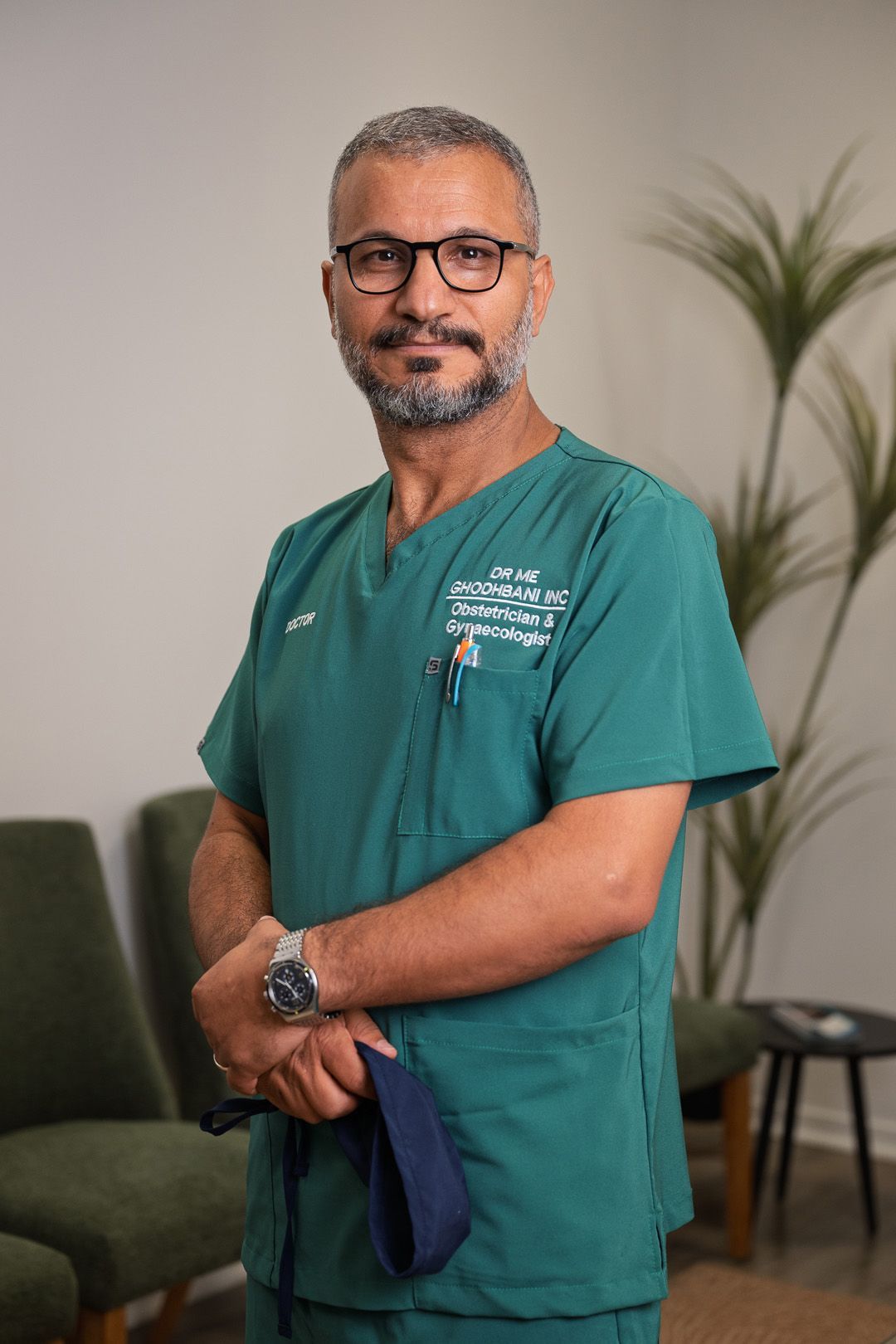
Before the test turns positive, take a proactive step. Dr Mohamed Ghodhbani, an obstetrician and gynaecologist practising at Netcare Park Lane Hospital says that a pre-pregnancy check-up can help you address risks, optimise your health and feel better prepared.
1. Underlying health concerns
A physical examination and selected tests can help determine whether any medical issues need to be addressed before conceiving. Even something as seemingly minor as a urinary tract infection, if ongoing or recurring, can increase the risk of complications such as premature birth and low birth weight. Ensuring that conditions are properly treated before becoming pregnant provides a better baseline from which to begin.
2. Screening for STIs and infections
Screening for sexually transmitted infections (STIs) should take place before conception as some STIs can affect fertility, increase the risk of miscarriage, lead to pregnancy complications, and in certain cases, be passed on to the baby during pregnancy or delivery. The good news is that many of these infections are treatable, and identifying them early is far easier than dealing with them later.
3. Current medication and supplement use
Be sure to tell your gynaecologist exactly which medications, vitamins, herbal products, and supplements you are taking – even if only occasionally. Some medicines may need to be changed or adjusted before or during pregnancy or breastfeeding. When it comes to mental health medication, it’s important not to stop treatment abruptly. Medication planning should be done with the treating psychiatrist or doctor to ensure your mental wellbeing continues to be supported in a way that is safe for both mother and baby.
4. Immunisations and travel vaccines
Talk to your doctor about any international travel plans you have, as well as immunisations that may be recommended before pregnancy and those that are safe during pregnancy. This can help protect you and your baby, including during those delicate first few months of life, when babies’ immune systems are still developing.
5. Oral health matters… more than you might think
A dental check-up is a surprisingly important part of pre-pregnancy planning. Hormonal changes can make you more susceptible to gum disease and inflammation. Maintaining good oral health helps reduce the risk of painful flare-ups during pregnancy when treatment may be less straightforward.
6. Financial preparation
Discuss the anticipated costs of your pregnancy and delivery with your doctor so that you are fully prepared. If you are a medical scheme member, contact your scheme to clarify what you are covered for and explore gap cover options if needed.
7. Establish trusted sources of information
There is a wealth of valuable pregnancy-related information available, but proceed with caution. Not all platforms are reliable, and it is crucial to be mindful of misinformation and personal opinions, particularly on social media. Choose trusted medical sources and reputable pregnancy resources, and always consult your doctor about any uncertainties.
Confidence, not perfection
Dr Ghodhbani emphasises that while it is only natural to want to do everything in your power to ensure the best possible pregnancy, the idea is not to subject yourself to unnecessary pressure by aiming for the impossible.
“A pre-conception check-up isn’t about being ‘perfect’ before you have even begun. In many cases, the first check-up is during pregnancy, and that is perfectly okay, too.
“Booking a pre-pregnancy consultation with your doctor is simply a proactive, practical first step intended to help you feel informed, supported, and prepared – while putting a few sensible safeguards in place if needed,” he concludes.