
Always online and anxious: Setting boundaries in a hyperconnected world
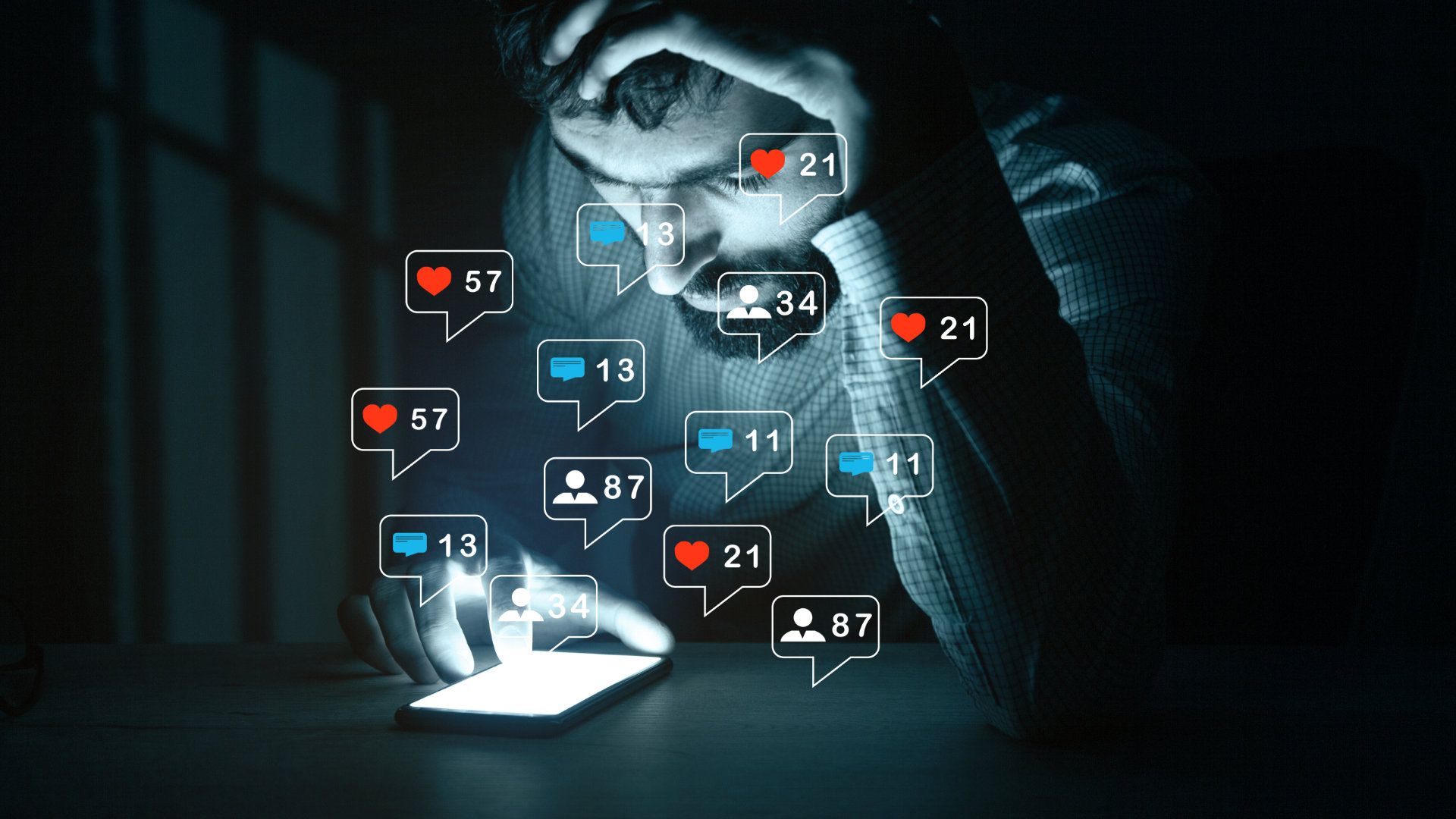
Too much screen time can harm creativity and effectiveness
The 2026 Global Digital Overview Report recently ranked South Africans among the world’s highest users of online media, with almost 53 hours a week, compared with the global average of 33 hours and 27 minutes.
Occupational therapist, Rebecca Hurst and Claudia van Blerk, occupational therapist and manager of the Centre of Psychotherapy Excellence (COPE) at Netcare Akeso Umhlanga, take a deeper look at what’s driving our nation’s online obsession and when it may become unhealthy.
“It’s incredibly difficult these days to fully switch off from the digital world. Most people have their phones with them all the time, checking messages or social media throughout the day, and into the night,” says Hurst.
“There appears to be constant pressure, both professional and social, to stay available and respond as quickly as possible, which further feeds into being always plugged in. More than just how much time we spend on our devices, a constant underlying sense of needing to be connected makes it harder to truly rest and switch off.”

Occupational therapists Claudia van Blerk and Rebecca Hurst practise at Netcare Akeso Umhlanga.
As technology has shifted towards mobile devices and become more easily accessible, people have become accustomed to replying quickly. This often creates pressure to respond straight away, even if it means replying after hours. Hurst explains, “This convention creates anxiety that a lack of response may indicate apathy or unreliability. Over time, we can form a habit where constant connection feels normal, and switching off may feel uncomfortable.”
Van Blerk adds: “Constant connectivity can make it difficult for the mind and body to fully rest, as there is always some level of stimulation or anticipation of incoming information. This can make it harder to focus on one task at a time. Emotionally, it can reduce our ability to regulate our feelings effectively, with fewer opportunities to pause, reflect, and process experiences without distraction.
“Over time, this can contribute to burnout, particularly when there is no clear separation between work and personal life. Sleep can also be affected, both by late-night screen time and by the mental habit of staying alert for notifications, which can make it harder to wind down for sleep,” she says.
This constant connectivity becomes harmful when it starts to interfere with daily functioning, wellbeing and boundaries. “When connection is no longer a choice, but something that feels compulsory or anxiety-driven, it can become a problem,” Van Blerk warns.
Warning signs of connectivity overload:
- Being unable to switch off from digital devices
- Anxiety when not checking the phone
- Sacrificing sleep, relationships, or focused work time to stay online
Hurst notes that many people may think being constantly active or available on social media is enjoyable and spending time online boosts their mood. “This may not always be the case on closer consideration. Depending on how social media is used, some may constantly compare themselves with others’ projected images of their lives online. These comparisons with often unrealistic online portrayals may slowly erode social media users’ self-esteem over time.”
Another less obvious effect linked to constantly being online is difficulty setting and maintaining boundaries.
“Many people have all domains of their lives contained on one device, from work to social life, family communication, and downtime. It then becomes more mentally difficult to separate these domains, blurring the boundaries between personal time and demands from work and other facets of life,” Hurst says.
Being constantly online can cultivate a reduced tolerance for boredom, as doing something on our phones, whether productive or not, often fills every spare moment of the day. For some, short periods of waiting or quiet moments during the day may start to feel uncomfortable, making it harder to sit with and regulate our thoughts, feelings or emotions.
Van Blerk adds that constant connectivity can reduce both creativity and effectiveness. “Creativity often requires uninterrupted time, mental space, and even moments of boredom. When attention is constantly divided, it becomes harder to engage in deep thinking or generate new ideas,” she says.
“Similarly, effectiveness decreases when tasks are repeatedly interrupted, as it takes time to regain focus and momentum. It is also all too easy to ‘just ask AI’ instead of taking the time to figure something out or learn about it independently with curiosity.”
A healthy relationship with technology involves using it intentionally rather than habitually. “This means being able to engage with devices for work, communication, and entertainment, while also setting clear boundaries around when and how we use them. It means keeping designated offline time, and maintaining in-person connections and hobbies that don’t involve screen time, and practising feeling comfortable being disconnected without anxiety. Ultimately, technology should support daily life, not dominate it,” says Van Blerk.
If you’re finding it difficult to detach from digital devices, or for professional assistance with anxiety, burnout-related or other mental health symptoms, contact your nearest Netcare Akeso to make an appointment. In any psychological crisis, contact Netcare Akeso’s 24-hour Crisis Line on 0861 435 787, where trained counsellors are available to talk and can guide you through the available options for assistance at any time.
“It should not be considered a luxury to unplug from our devices, but a necessary practice for maintaining creativity, mental health and sustainable, effective functioning. It is less about indulgence and more about creating balance and protecting our physical and mental wellbeing in a highly connected world,” Hurst concludes.