Five minutes a month could save your life

How to check your breasts at home
Performing regular breast self-examinations at home can help detect lumps or signs of breast cancer as early as possible.
“I always encourage women to be in tune with their bodies. One of the simplest and most empowering ways to care for your health is to perform regular breast self-examinations,” says Dr Portia Mosadi, an obstetrician and gynaecologist practising at Netcare Pholoso Hospital.
“Often, women overlook painless lumps or attribute changes to weight gain, bra irritation, or hormone fluctuations, which is why regular self-exams are so important.”
Dr Mosadi advises women to begin checking their breasts regularly from their early twenties, becoming familiar with how they normally look and feel so they can recognise any changes.
“It’s a good habit to build for life, and it only takes about five minutes. This is not about becoming obsessive, but rather about familiarising yourself with your breasts. Knowing what’s normal for you is important for noticing when something changes and needs to be medically investigated,” she says.
“Ideally, perform home breast examinations a few days after your period ends, when your breasts are least likely to be swollen or tender. If you’re no longer menstruating, choose the same day each month to check your breasts to keep the timing consistent.”
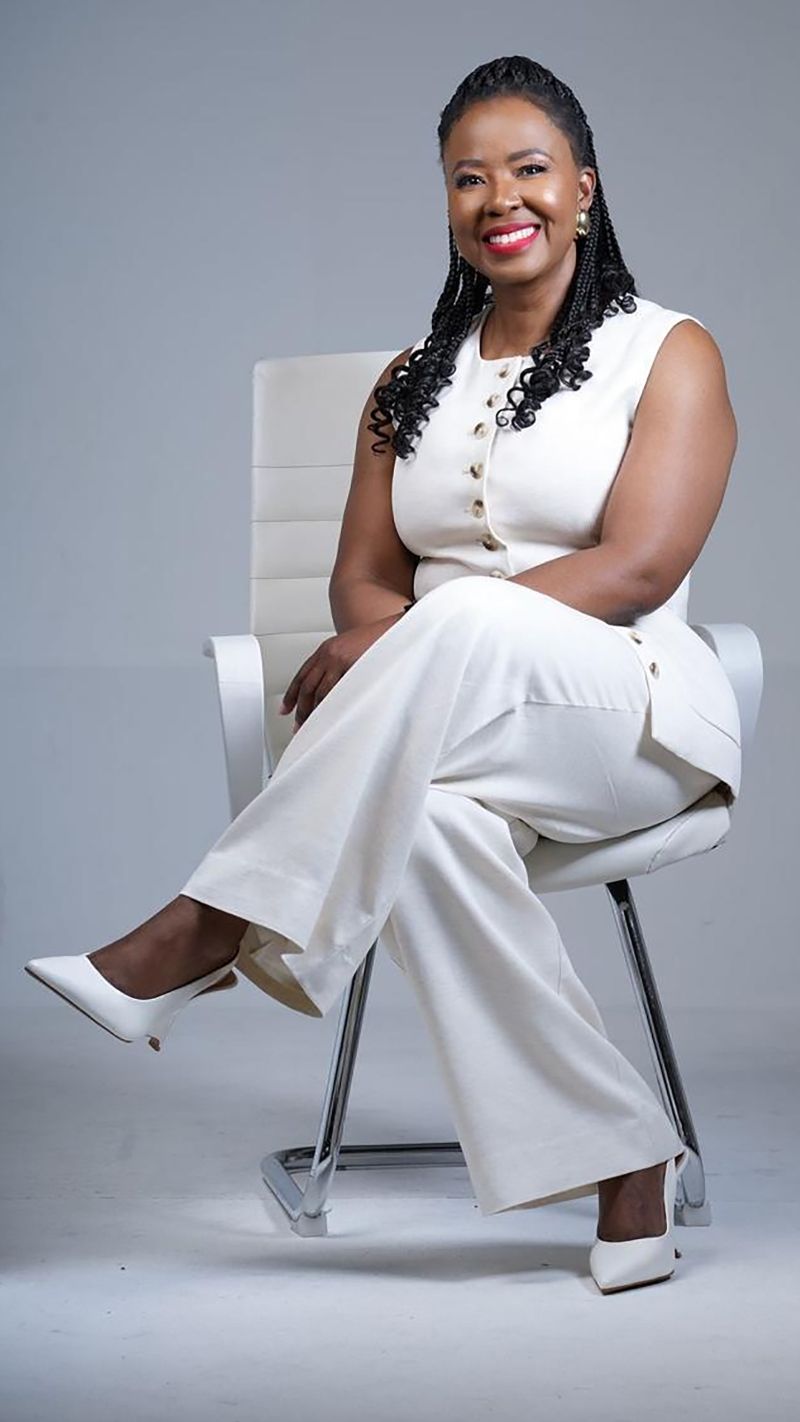
Dr Portia Mosadi
Obstetrician and gynaecologist
A simple guide to home breast self-examination
Step 1: Stand in front of a mirror with your shoulders straight and arms resting at your hips, and have a good look at your breasts.
“Take careful note of the shape, size, and colour of your breasts. They don’t have to match, most women have some asymmetry,” Dr Mosadi says.
Raise your arms and look at your breasts again. Turn from side to side, then lift each breast to examine the underside.
What to look out for:
- Skin dimpling or puckering
- New nipple inversion (turning inwards)
- Redness, rashes, or swelling
Step 2: When in the shower or lying down, use your right hand to examine your left breast and vice versa.
“With the pads of your fingers, not the tips, use small circular motions that are firm but gentle to check the entire breast area, from your collarbone to under your breast, and from your cleavage to your armpit. Don’t forget to check the nipple, gently squeezing to check for any discharge,” Dr Mosadi says.
Step 3: Lie down on your back. This position flattens the breast tissue, making it easier to feel any lumps or changes.
Place a pillow under one shoulder, keeping the hand on the same side behind your head, and use the opposite hand to examine each breast, using the circular motion technique.
Consult a healthcare professional if you notice any of the following:
- A new lump or thickened tissue (early breast cancer is most often painless)
- Changes in breast shape or size
- Skin changes such as dimpling, redness, or an orange peel texture
- Nipple discharge, especially if it’s bloody or occurs without squeezing
- A sore or rash on the nipple
- Swelling in the armpit or around the collarbone
“If you notice a lump or a change while examining your breasts, don’t panic. Not all lumps are cancerous, many are harmless cysts or fibrous tissue, especially in younger women. It is important to have anything you find medically checked to be safe,” Dr Mosadi advises.
“The next step is to make an appointment with your doctor or gynaecologist as soon as possible for a professional evaluation, which may require a mammogram, ultrasound, or biopsy, depending on your age and the characteristics of the lump,” she says.
Dr Mosadi emphasises that while home breast examinations are important, they are just one aspect of caring for breast health.
“Schedule regular clinical breast check-ups with your healthcare practitioner for a professional perspective. Get to know your family history of breast and ovarian cancer, and speak to your doctor about how this may affect your risk. If necessary, genetic testing may be recommended,” Dr Mosadi says.
From the age of 40, she recommends having mammograms every year or every two years, although when there’s a family history, regular imaging may be advised from a younger age.
“Don’t turn a blind eye to your breast health. Breast cancer remains a major concern for South African women, and early detection through regular screenings and home breast examinations can improve outcomes and survival rates,” Dr Mosadi concludes.