Demystifying mental health in our daily lives
Needing support is not a sign of weakness
How we feel and act often reflects our mental health. When we are emotionally well, the daily pressures of life seem more manageable, while the same circumstances can feel utterly hopeless if our mental health is in decline.
Often people, men in particular, don’t have the words to describe what they are feeling when it comes to their lived experience of anxiety, depression or chronic stress, among other conditions. This can be a major obstacle to seeking support, leading to unnecessary suffering and missed opportunities for treatment. If you are simply not feeling yourself, that is all you need to say to start the conversation.
Mental and physical health are closely intertwined, and both should be priorities. As South Africa marks Mental Health Awareness Month this October, we celebrate progress in the scientific understanding of these conditions. Counselling, professional talk therapies and, where needed, prescribed medication can reduce the distressing and disruptive symptoms that so many people face daily.

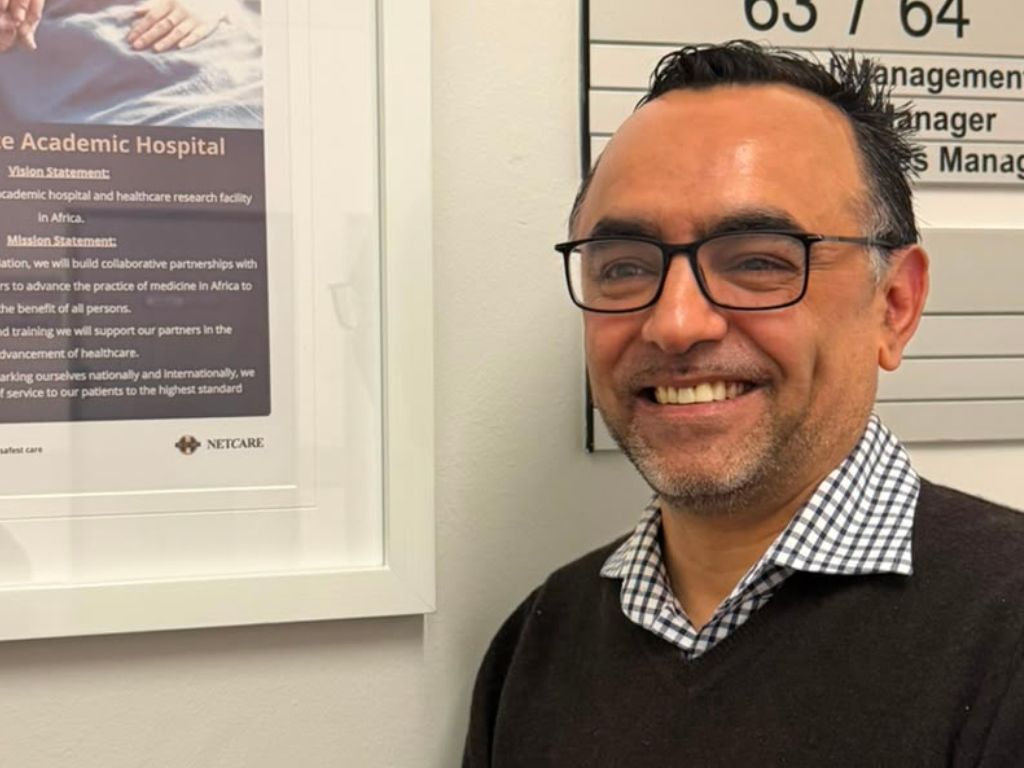
Pharmacist Patrick Kodibona of Medipost Pharmacy
But sadly, the shadow of stigma can make many people feel uncomfortable speaking about how they are feeling. You can always talk to healthcare professionals, including pharmacists, who understand how complex changes in brain chemistry, biology and life stressors can profoundly affect our emotional wellbeing.
It’s not a sign of weakness to experience symptoms that feel overwhelming, whether they are related to physical health, such as a bad case of influenza, or to emotional wellbeing. In either case, there should be no stigma or shame about seeking professional support.
Doctors may prescribe medicines that can help you feel better by subtly adjusting neurotransmitters to help manage mental health symptoms, such as mood instability, anxiety, irritability, hallucinations, or intrusive thoughts.
When starting medications such as antidepressants, there may be an adjustment period. Stick to your treatment exactly as prescribed and report any side effects to your prescribing doctor. Even once you are feeling better, continue taking your medication to maintain stability and never stop treatment without consulting your healthcare provider.
There are serious risks when treatments are disrupted or when some psychotropic medicines are abruptly stopped. Medipost Pharmacy’s confidential courier service helps people with chronic conditions, from diabetes and hypertension to various mental health conditions, stay on track with their medication through free nationwide delivery and dedicated pharmacy support in all of South Africa’s official spoken languages.
Looking after your overall wellbeing should be the foundation of treatment. Getting enough good quality sleep is essential for good physical and mental health, and exercise can help regulate emotions and release endorphins, our natural feel-good hormones.
Although it can feel daunting at first, talking to a trusted friend, loved one or health professional can be the first step towards feeling like yourself again.