Making the most of your child’s potential

A practical guide to the milestones of early childhood development
Watching a child grow is one of the joys of parenthood. From the first smile and first steps to the first little conversations, so much happens in the first five years. These early years are important because they help lay the foundations for how children learn, communicate, build relationships and become more independent.
“One of the things I often remind parents is that children don’t all develop at exactly the same pace. There is a range, and it is important to look at the whole child rather than one skill in isolation,” says Dr Sihle Sibiya, a paediatrician practising at Netcare Waterfall City Hospital.
“At the same time, milestones are useful. They give us a guide as to how a child is progressing and can help us identify when a child may need some extra support. Parents know their children best, and if something about their child’s development is worrying them, I would always encourage them to raise it with their paediatrician, rather than wait and see.”

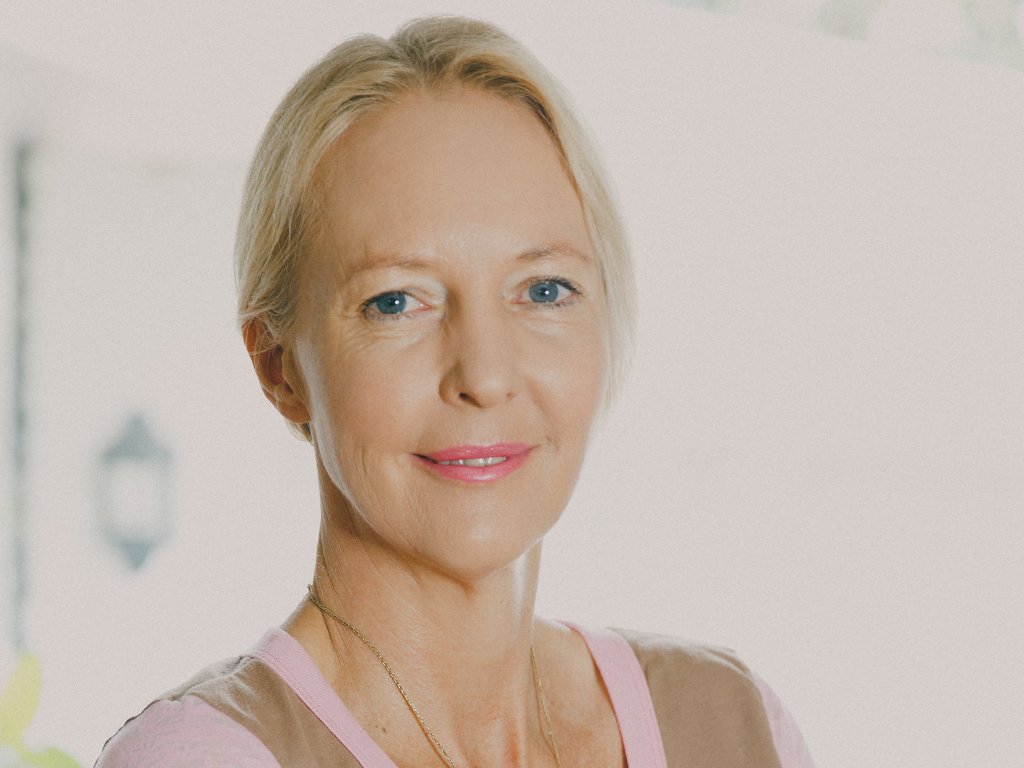
Paediatrician Dr Sihle Sibiya
Stages of development
Dr Sibiya shares some of the milestones parents can look out for as their child grows. She reiterates that these should be considered a guideline rather than a deadline, and that development should always be viewed in context.
At one month: Baby begins to focus on faces, usually keeps their hands closed and may briefly lift their chin when lying on their tummy. Feeding and sucking are important early skills.
At two months: Baby becomes more alert and responsive, smiles socially, responds to sounds and begins to hold their head up better during tummy time.
At three months: Baby is increasingly interactive, responding with sounds and facial expressions, smiling and laughing, watching toys, bringing their hands to their mouth and supporting themselves on their forearms during tummy time.
At four months: Head control is becoming steadier. Baby reaches for objects, opens their hands more, brings toys to their mouth and becomes increasingly engaged with the people around them.
At six months: Many babies can sit with little or no support for short periods, roll, reach and transfer objects, make a variety of sounds and show clear interest in faces, voices and their surroundings.
At nine months: Baby is usually much more mobile, although not every baby crawls. They may move around in different ways, bang objects together, enjoy interactive games such as peek-a-boo, copy sounds and use gestures such as waving.
At 12 months: Many children pull themselves to stand, cruise along furniture and may take independent steps. They communicate increasingly through gestures and sounds and enjoy sharing attention and interest with their parents or caregivers.
At 18 months: Most children are walking well and beginning to run, can feed themselves with a spoon, point to show parents something that interests them, follow a simple one-step instruction and use a growing handful of words. Many are also starting to assert their independence, which often looks a great deal like testing boundaries.
At 24 months: Toddlers are becoming more independent. They are usually walking and running confidently, beginning to manage stairs with help, using an increasing number of words and starting to combine words into simple phrases.
At three years: Children are becoming more conversational and imaginative. Many can speak in short sentences, ask lots of questions, follow simple instructions, enjoy pretend play, run and climb confidently, and begin playing more with other children rather than simply alongside them.
At four years: Language, imagination and independence continue to grow. A four-year-old can usually tell simple stories, have back-and-forth conversations, draw recognisable shapes or people, dress with some help, hop on one foot and enjoy cooperative play with other children.
At five years: By this age, many children can hold a conversation, tell a simple story with a beginning and end, follow rules and take turns in games, count and recognise some numbers or letters, dress more independently and manage activities such as hopping, skipping and using a pencil with increasing control. These are useful markers as children prepare for the demands of school.
Keeping track as your child grows
Dr Sibiya recommends developmental check-ups at six weeks, four months, eight months, 12 months, 18 months, 24 months and then annually until the age of five. These visits are separate from vaccination visits.
“For me, these visits are not about ticking boxes. They are an opportunity to see how the child is growing and developing as a whole, and also to hear what the parents are noticing at home. We look at speech and communication, movement, learning, play, behaviour and social development,” she says.
Developmental check-ups can help identify concerns early, when support may have the greatest impact. If a child needs additional help, the next step may include closer follow-up or referral to an appropriate therapist or specialist.
“I want to encourage parents to feel comfortable asking questions about development. Sometimes a child simply needs more time, and sometimes they need support. The important thing is that we notice, we follow up and, where necessary, we act early,” says Dr Sibiya.
Dr Sibiya considers developmental care part of looking after the whole child. Alongside routine health and developmental assessments, she cares for newborns and children admitted to Netcare Waterfall City Hospital, working closely with families and other members of the healthcare team throughout their hospital stay.
“Whether I’m seeing a child for a routine check-up or caring for a child who is unwell in hospital, I want parents to feel comfortable asking questions and to understand what is happening with their child. The relationship with families is very important,” she says.
She adds: “The first five years go by incredibly quickly, but so much development happens during that time. Supporting children early gives them the best opportunity to build on their strengths and develop their potential.”