Why your oncologist needs to know about every medicine and supplement you take
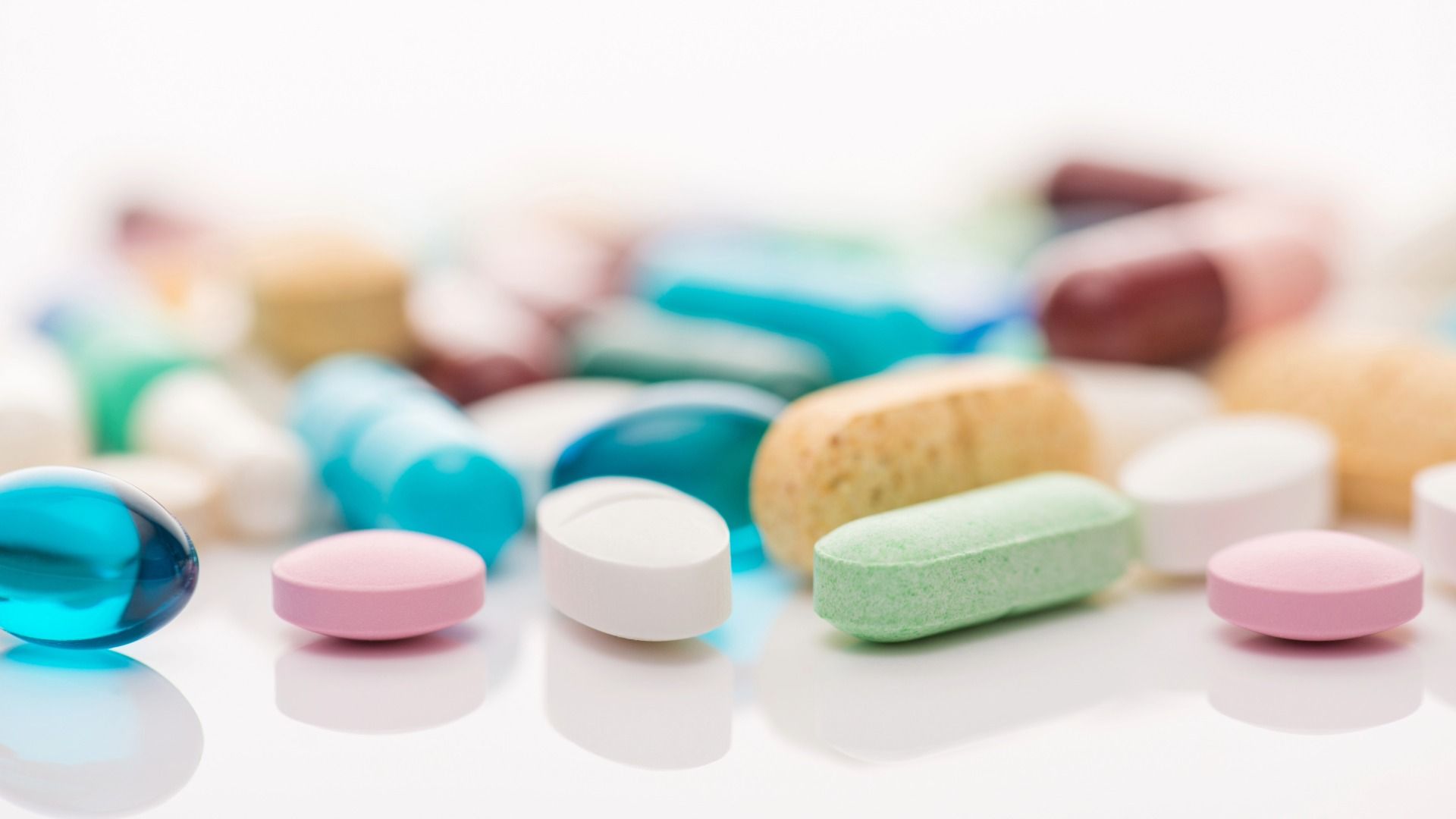
Cancer treatment can be affected by even natural products
Many people being treated for cancer may not realise that concentrated vitamins, herbal products and chronic medicines can affect how oncology treatments work.
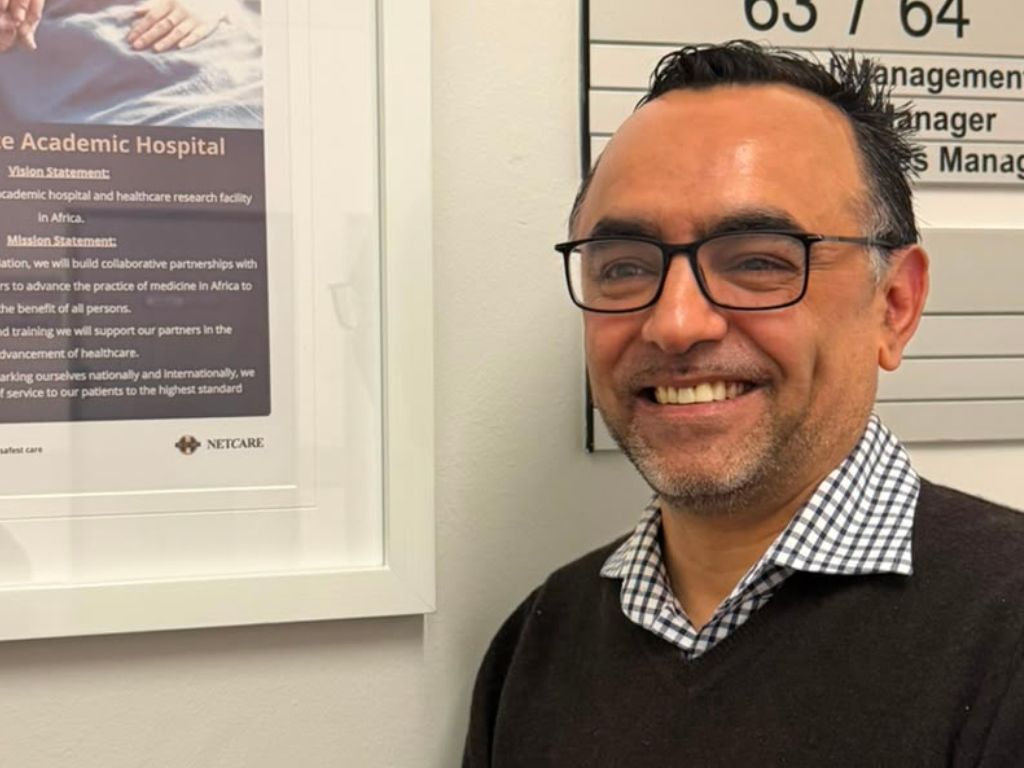
Professor Carol-Ann Benn, who heads the multidisciplinary breast cancer centre at Netcare Milpark Hospital, says patients should recognise that just because a product is natural, such as a supplement or vitamin, does not automatically mean it is risk-free.
“Telling your oncology team exactly what you are taking outside of your healthy diet is essential because interactions between these products can affect both the safety and effectiveness of treatment. This includes telling them about your chronic medications, over-the-counter products, and the vitamins and supplements you are taking. This allows us to guide patients safely and avoid interactions that could reduce treatment effectiveness or increase side effects."
She notes that oncology drugs, particularly cytotoxic chemotherapies, immunotherapies, and targeted therapies, operate within a narrow therapeutic window, and even small shifts in drug exposure may reduce effectiveness or increase the risk of significant side effects. “This is not about blame. Many people simply do not know that supplements, vitamins and over-the-counter products can behave like medicines in the body.”
Professor Benn established the internationally recognised Netcare Milpark Breast Care Centre of Excellence (BCCE) in Johannesburg, which has been recognised by the American College of Surgeons’ National Accreditation Program for Breast Centers (NAPBC). In line with international guidelines, the BCCE is a one-stop centre where a multidisciplinary team of medical practitioners provides holistic care for women, girls and men. The team includes surgeons, radiation oncologists, plastic and reconstructive surgeons, medical oncologists, pathologists, radiologists, genetic counsellors, physiotherapists, dietitians, navigators, survivor specialists and specialised nurses.

Professor Carol-Ann Benn, who heads the multidisciplinary breast cancer centre at Netcare Milpark Hospital, says patients should recognise that just because a product is natural, such as a supplement or vitamin, does not automatically mean it is risk-free.
What about green tea and coffee?
Green tea contains caffeine and catechins, compounds that have been studied for their effects on cancer-related signalling pathways and the tumour micro-environment. However, this does not mean that concentrated green tea extracts or high-dose supplements are automatically safe during cancer treatment.
Research on coffee is also complex. It may affect some medicines or treatment-related side effects differently depending on the drug, dose and patient. Patients should ask their oncology team whether their usual tea, coffee or supplement intake is appropriate during treatment.
Many people being treated for cancer may not realise that concentrated vitamins, herbal products and chronic medicines can affect how oncology treatments work.
Professor Carol-Ann Benn, who heads the multidisciplinary breast cancer centre at Netcare Milpark Hospital, says patients should recognise that just because a product is natural, such as a supplement or vitamin, does not automatically mean it is risk-free.
“Telling your oncology team exactly what you are taking outside of your healthy diet is essential because interactions between these products can affect both the safety and effectiveness of treatment. This includes telling them about your chronic medications, over-the-counter products, and the vitamins and supplements you are taking. This allows us to guide patients safely and avoid interactions that could reduce treatment effectiveness or increase side effects."
She notes that oncology drugs, particularly cytotoxic chemotherapies, immunotherapies, and targeted therapies, operate within a narrow therapeutic window, and even small shifts in drug exposure may reduce effectiveness or increase the risk of significant side effects. “This is not about blame. Many people simply do not know that supplements, vitamins and over-the-counter products can behave like medicines in the body.”
Professor Benn established the internationally recognised Netcare Milpark Breast Care Centre of Excellence (BCCE) in Johannesburg, which has been recognised by the American College of Surgeons’ National Accreditation Program for Breast Centers (NAPBC). In line with international guidelines, the BCCE is a one-stop centre where a multidisciplinary team of medical practitioners provides holistic care for women, girls and men. The team includes surgeons, radiation oncologists, plastic and reconstructive surgeons, medical oncologists, pathologists, radiologists, genetic counsellors, physiotherapists, dietitians, navigators, survivor specialists and specialised nurses.
Professor Benn explains that supplements, vitamins and medications can affect how drugs work by either changing how much of the drug is in the body or by altering the drug’s effects.
Almost all cancer drugs — about half of chemotherapy drugs and most oral medications — are processed by a superfamily of enzymes located mostly in the liver and gut. “We don’t want anything to interfere with this delicate process. It can result in drugs being cleared from the system faster, potentially reducing the drug's effectiveness.”
On the other hand, some natural products can inhibit these important drug-metabolising enzymes, resulting in reduced clearance of the drug and therefore increased exposure to it.
“Some supplements can change how cancer drugs are absorbed in the gut or transported in the bloodstream. Many chemotherapy and radiation treatments generate free radicals and induce oxidative stress, which occurs when an imbalance between free radicals and antioxidants arises, leading to cell damage that kills cancer cells. In some cases, certain medicines or high-dose supplements may work against the intended mechanism of treatment.”
Vitamin B complex
Professor Benn says that after a cancer diagnosis, some people may be drawn to taking common medications and vitamin supplements. “High-dose vitamin B supplementation should not be started without guidance from the oncology team, as emerging evidence suggests that excessive intake may be inappropriate in some cancer contexts. However, deficiency and treatment-related neuropathy may require specific management, which is why individual advice matters.”
And while vitamin B deficiency can also be associated with an increased risk of certain cancers, vitamin B9 can deactivate certain oncology drugs and interfere with therapy by impairing metabolic and genetic processes. “However, for patients on other chemotherapeutics, vitamin B can help with neuropathy. It can be confusing, but this shows the nuances involved and illustrates why your oncology treatment team should decide what’s best for you.”
Antioxidants
Antioxidants are an integral part of a healthy diet, reducing oxidative stress and DNA damage, neutralising harmful free radicals and decreasing inflammation. “While they can provide protection against cancer and chronic disease, some antioxidants, such as glutathione, at high levels can actually shield cancer cells. High doses of antioxidant supplements, such as vitamins A, C and E and beta-carotene, may also protect cancer cells from the damage that oncology treatments are designed to inflict, making the treatment less effective,” says Professor Benn.
Regarding vitamin C as an antioxidant, higher doses can damage cancer cells by generating hydrogen peroxide and increasing oxidative stress inside cancer cells, but renal function and dehydration must be monitored. “In our unit, we even prescribe vitamin C for wound healing. But again, let your treatment team decide what’s best for you.”
Berberine
Prescription drugs, like some antidepressants, can interfere with the enzyme needed to activate specific cancer drugs into their effective form. "Berberine may interfere with enzymes involved in activating certain cancer medicines, which can reduce their effectiveness and may affect treatment planning."
Chronic medication
“Common heartburn medications can reduce the absorption and effectiveness of some oral cancer drugs. Anticonvulsants used to manage seizures can cause the body to break down certain chemotherapy agents. Antibiotics and antifungals can increase the risk of bone marrow suppression and hepatic toxicity. They can also lead to the toxic accumulation of certain oral cancer drugs,” explains Professor Benn.
Non-steroidal anti-inflammatory drugs can interfere with the body’s ability to excrete another drug, warns Professor Benn. Anticoagulants can interact with chemotherapy, causing effects ranging from increased bleeding to increased clotting. Hormonal therapies can counteract anti-oestrogen drugs.
“This is why it’s so important to discuss every chronic medication you’re taking with your oncology team. The safest approach is to discuss all medicines, supplements and vitamins with your oncology team before starting, stopping or changing anything,” she says.
Other sources consulted for clarity
https://www.webmd.com/vitamins-supplements/berberine
https://my.clevelandclinic.org/health/articles/oxidative-stress