Dehydration in pregnancy is a medical emergency

Hyperemesis gravidarum is more than ‘just morning sickness’
Many women experience nausea and vomiting during pregnancy, commonly known as morning sickness, even though it can occur at any time of day. Rarer, however, is a more severe condition that places affected pregnant women at serious risk of dehydration.
“When a pregnant woman can’t keep any food or fluids down, it should never be dismissed as ‘just morning sickness’. Dehydration in pregnancy is always a medical emergency,” says Dr Peter de Jong, an obstetrician and gynaecologist practising at Netcare Christiaan Barnard Memorial Hospital.
What is hyperemesis gravidarum?
The medical term hyperemesis gravidarum, or HG, means excessive vomiting during pregnancy. “Women with HG aren’t just feeling queasy – they’re throwing up multiple times a day, every day, often losing weight and becoming severely dehydrated.
“This condition typically strikes during the first trimester and may be more common in a mother who is expecting twins or may be associated with certain hormonal anomalies in pregnancy,” says Dr De Jong.

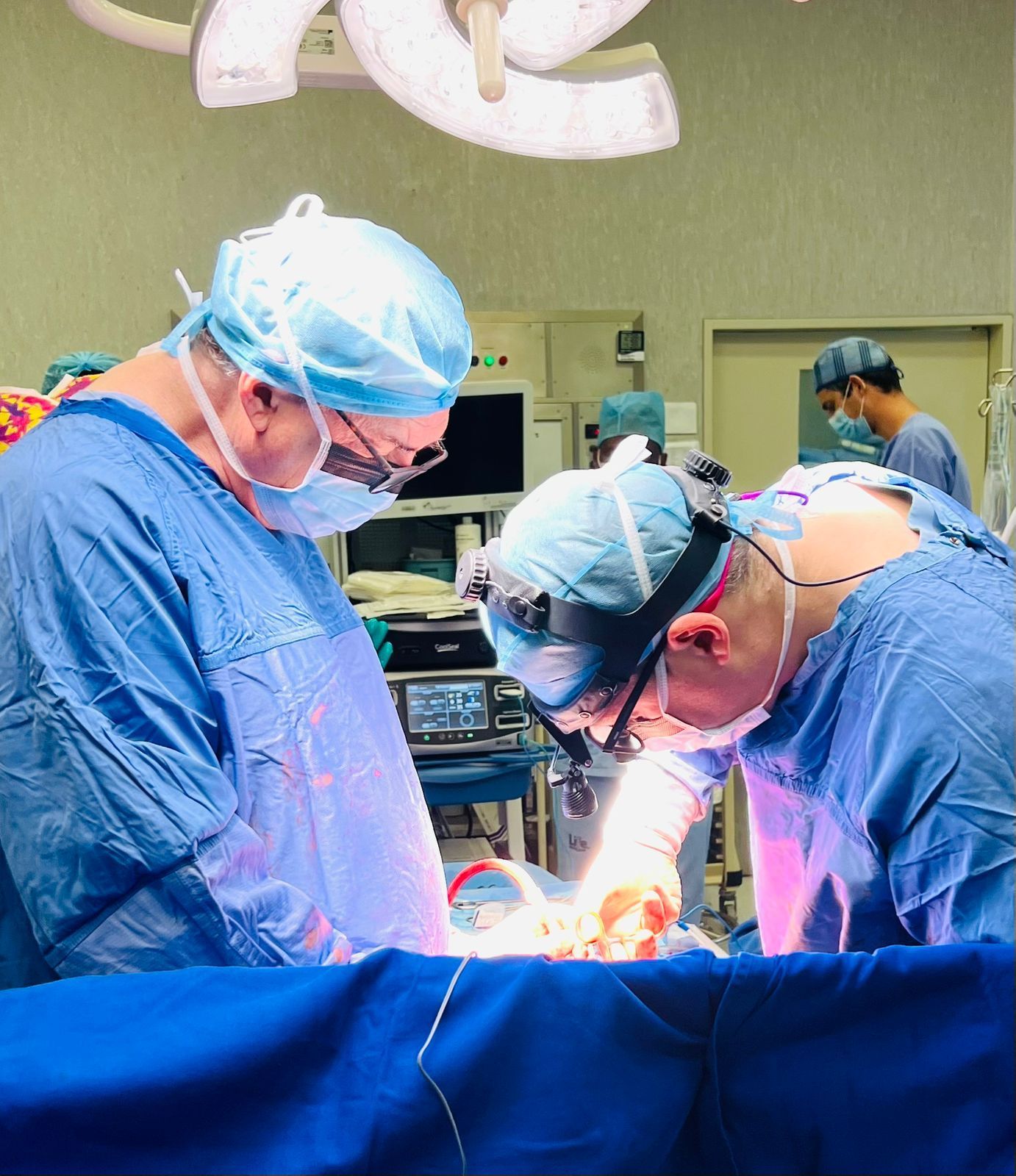
Obstetrician and gynaecologist, Dr Peter de Jong
With close medical management and sufficient hydration, the condition does not in itself place the unborn baby at risk, provided it is treated without delay.
“If hyperemesis gravidarum is not treated, the mother’s severe dehydration can lead to reduced circulation to the placenta. It is therefore essential to seek medical attention early for excessive vomiting in pregnancy,” Dr De Jong emphasises.
“If the expectant mother is vomiting to such an extent that she is vomiting fluids, this is a red flag that she is in danger of dehydration, and her obstetrician or healthcare practitioner should be consulted immediately.”
Dehydration symptoms are a medical emergency in pregnancy
- Urinating less often than usual
- Dark yellow urine
- Feeling dizzy when standing up
“Sunken eyes, parched lips and tongue, and dry skin are also often visible. By the time women present with HG, they are often exhausted from feeling unwell and being unable to keep any fluids down,” he says.
Symptoms of hyperemesis gravidarum usually start during the first two to three months of pregnancy. Most women feel better by the middle of their pregnancy, although HG may recur, either in the same pregnancy or in subsequent pregnancies. The condition can usually be well managed in close consultation with your obstetrician.
Getting through it
Treatment for hyperemesis gravidarum depends on the severity of the symptoms, with bed rest and hospitalisation usually required. Due to dehydration, women with HG need to be placed on a drip, with fluids administered directly through an intravenous (IV) tube.
“With the intravenous replacement of fluids and restored electrolyte levels, women usually start feeling better almost immediately. Pregnancy-safe medicines can assist in reducing the nausea and vomiting,” Dr De Jong explains.
Support makes a difference
The support of loved ones at this anxious and often debilitating time is crucial for mothers-to-be with HG.
“For partners and family members, this means providing practical assistance with everyday tasks, such as meal preparation, grocery shopping, childcare and housework. Keep a caring eye on the woman’s physical and emotional wellbeing and assist her in seeking medical treatment early for any changes that may be of concern,” he says.
For women experiencing nausea in pregnancy, Dr De Jong recommends sipping milkshake-style vitamin supplements, six or seven times a day. “Even if you are only able to hold down a small amount, it will help to sustain you, and at the very least it will help keep the bitter flavour of bile at bay. If you can’t keep anything down, then it is time to consult a healthcare professional,” Dr De Jong concludes.
To make an appointment for a doctor’s consultation at a Netcare facility near you, contact Netcare appointmed™ on 0860 555 565 or download the Netcare App.