Critical hours: The race against time in stroke treatment
Advanced imaging supports faster interventions, stronger stroke outcomes
A fleeting window of a few critical hours following a stroke presents the opportunity to minimise the damage and severity of brain injury, provided the individual receives prompt treatment at a facility equipped to provide comprehensive stroke care.
“The big thing with stroke is that treatment can’t be delayed as every minute without treatment results in the death of thousands of brain cells. Yet, unfortunately, there is still not enough public awareness that stroke is a medical emergency. This lack of awareness is a major barrier to securing better stroke outcomes,” says Dr Moaaz Valli Omar, a neurovascular interventional radiologist who practises at Netcare Milpark Hospital.
“Everyone should be aware that there are things we can do to prevent or limit the brain damage resulting from a stroke if treatment begins soon after the stroke occurs. The potential for recovery is highest when patients are promptly treated at the right specialised facilities, equipped with the full range of acute stroke diagnostics and therapies.”
World-class angiography system
The comprehensive multidisciplinary stroke management capabilities of the level 1 accredited trauma centre at Netcare Milpark Hospital have been significantly bolstered with the addition of an Artis icono biplane Digital Subtraction Angiography (DSA) system.
“This advanced system elevates our capacity to treat both haemorrhagic and ischaemic strokes, along with other complex neurovascular conditions, to a new level,” says Dr Omar, one of few specialists in South Africa qualified to perform mechanical thrombectomy for major vessel occlusive strokes.
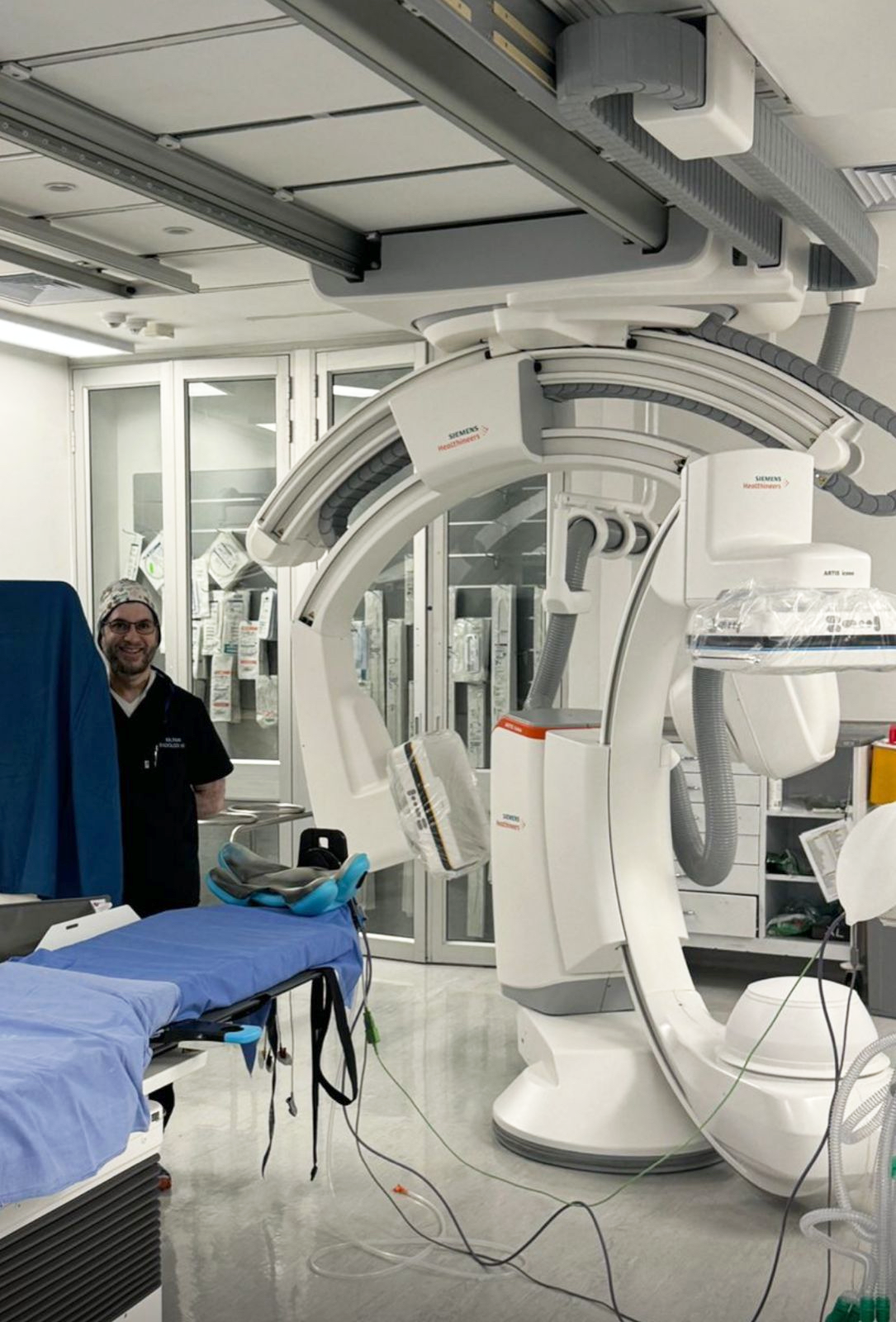
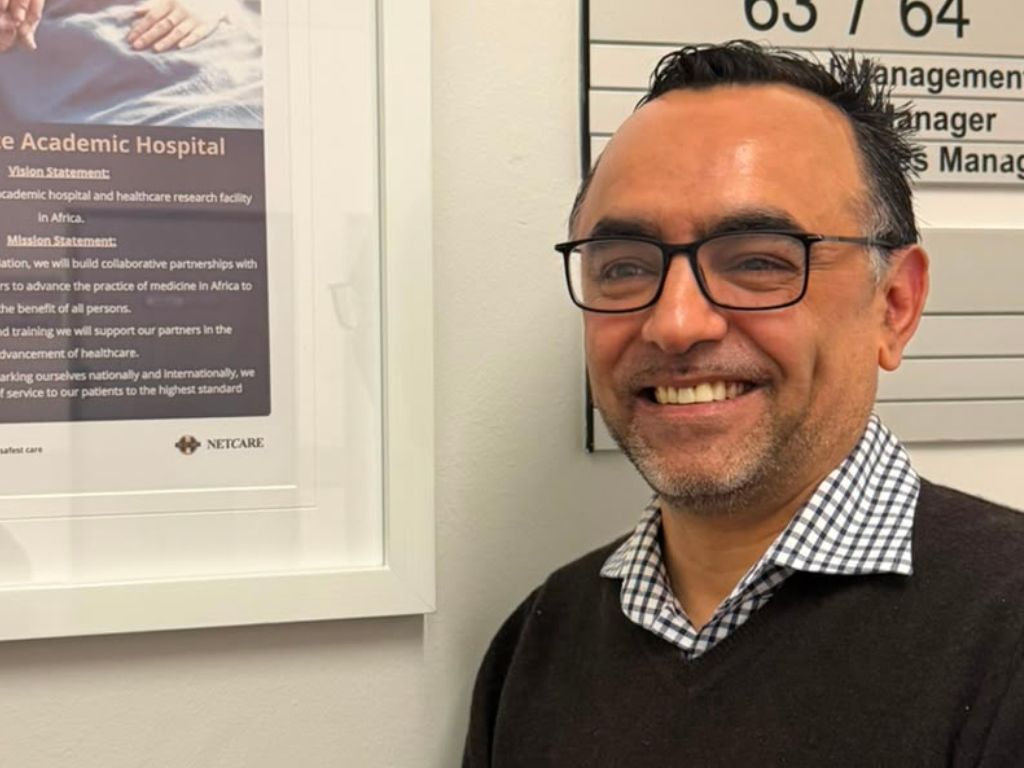
Dr Moaaz Valli Omar, a neurovascular interventional radiologist practising at Netcare Milpark Hospital, says greater public awareness is needed that stroke is a medical emergency, and that with prompt intervention at a comprehensive stroke facility more hopeful prognoses are possible. Dr Omar is pictured with the Artis icono biplane Digital Subtraction Angiography (DSA) system.
Usually, only conscious sedation is required for this minimally invasive procedure, where a fine catheter wire is inserted through a tiny incision in the groin or wrist and is guided with the assistance of precision imaging through the arteries to the site of the blood clot in the brain. In the case of an ischaemic stroke, the clot is captured and gradually guided out, restoring blood flow to the affected area of the brain.
“When initiated promptly, procedures such as these can dramatically turn around the person’s outcome from potential death or being left permanently bedridden to a much more hopeful prognosis, where a great degree of functionality and quality of life can be restored,” Dr Omar explains.
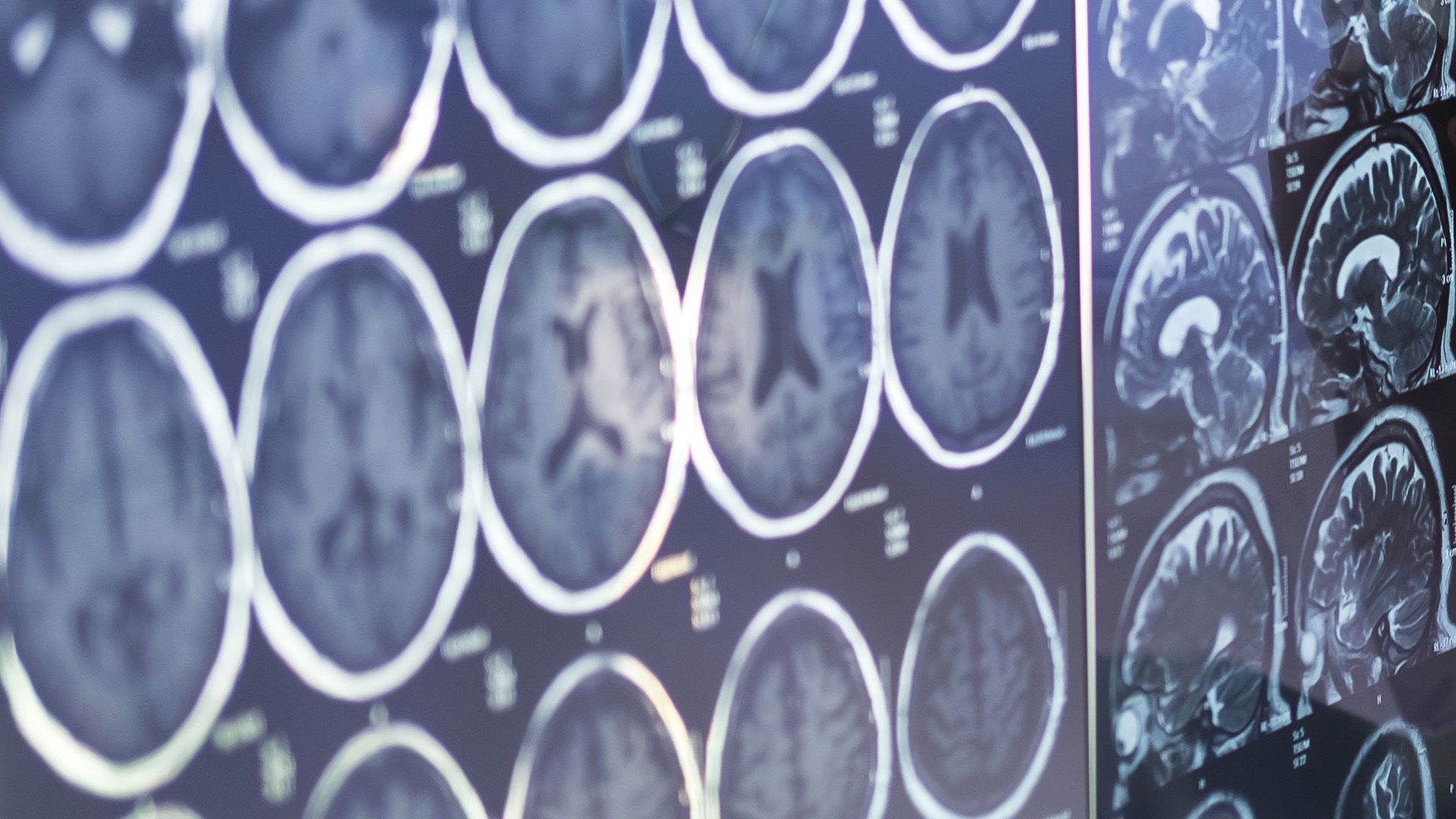
The biplane DSA system, which was introduced at Netcare Milpark Hospital in June, significantly shortens the time to treatment through its superior imaging capability, in many cases eliminating the need for preparatory scans or repositioning, shortening the time to femoral access by as much as half an hour.
"This is revolutionary when we are working in blood vessels or need to negotiate access to vessels in areas deep within the brain or near bony structures,” he says.
Time is brain
“Time is brain, which means the sooner we can treat acute stroke, the more brain function we can potentially save. We are working with very sensitive structures within the brain, so the more views we have, the safer and more successful these interventions will likely be.
“Being able to see the soft tissues clearly from two angles, or in some cases even three-dimensional visualisation, allows us greater perspective in navigating arteries and mapping, which supports precision and contributes to shorter procedure times,” Dr Omar explains. “Other system advantages include unparalleled clarity with significantly reduced radiation exposure and minimal use of contrast agents, thanks to this technology,” Dr Omar explains.
“Public awareness is key to getting people to an emergency department supported with a fully equipped stroke centre where these interventions can be optimally effective.”
Know the signs of stroke
“Anyone can help save a life by recognising the signs of stroke as a medical emergency and taking action immediately. Advances in stroke treatment can often help to prevent loss of life or limit the extent of brain damage. Still, clinical outcomes tend to be best when appropriate treatment is administered within the first few hours after a person has a stroke,” says Dr Ismail Moola, a neurologist who is part of the multidisciplinary team treating stroke at Netcare Milpark Hospital.
“Time is of the essence with stroke, but too often people do not recognise the symptoms of stroke or do not realise the urgency of commencing treatment after a stroke.
“The signs of stroke are sometimes more subtle than those of a heart attack, but it is no less of a medical emergency. The acronym BE FAST is a helpful reminder of the signs of stroke and what to do,” Dr Moola explains.
B for Balance – Sudden difficulty in maintaining balance.
E for Eyes – The person may experience problems with their vision, including loss of sight in one eye or blurry vision.
F for Face drooping – Facial muscles are weak, often causing facial asymmetry as one side of the face starts to droop.
A for Arm or leg weakness – The person may feel weak in one or both of their arms or legs and may feel numb on one side of their body. They may also have poor coordination and difficulty walking or standing up. Usually, this occurs on one side of the body.
S for Speech difficulty – The person may slur words, use words incorrectly or not be able to speak.
T for Time – Take note of the time the stroke began or was first noticed. This is also the time to call emergency medical services, such as Netcare 911 on 082 911.
“Nowadays, we have remarkable capabilities to mitigate stroke damage, but the key is securing emergency medical assistance without delay. Every minute counts and even a few can drastically impact a patient’s survival and recovery outcomes,” Dr Moola concludes.