Melanoma: Even occasional sunburn can be harmful
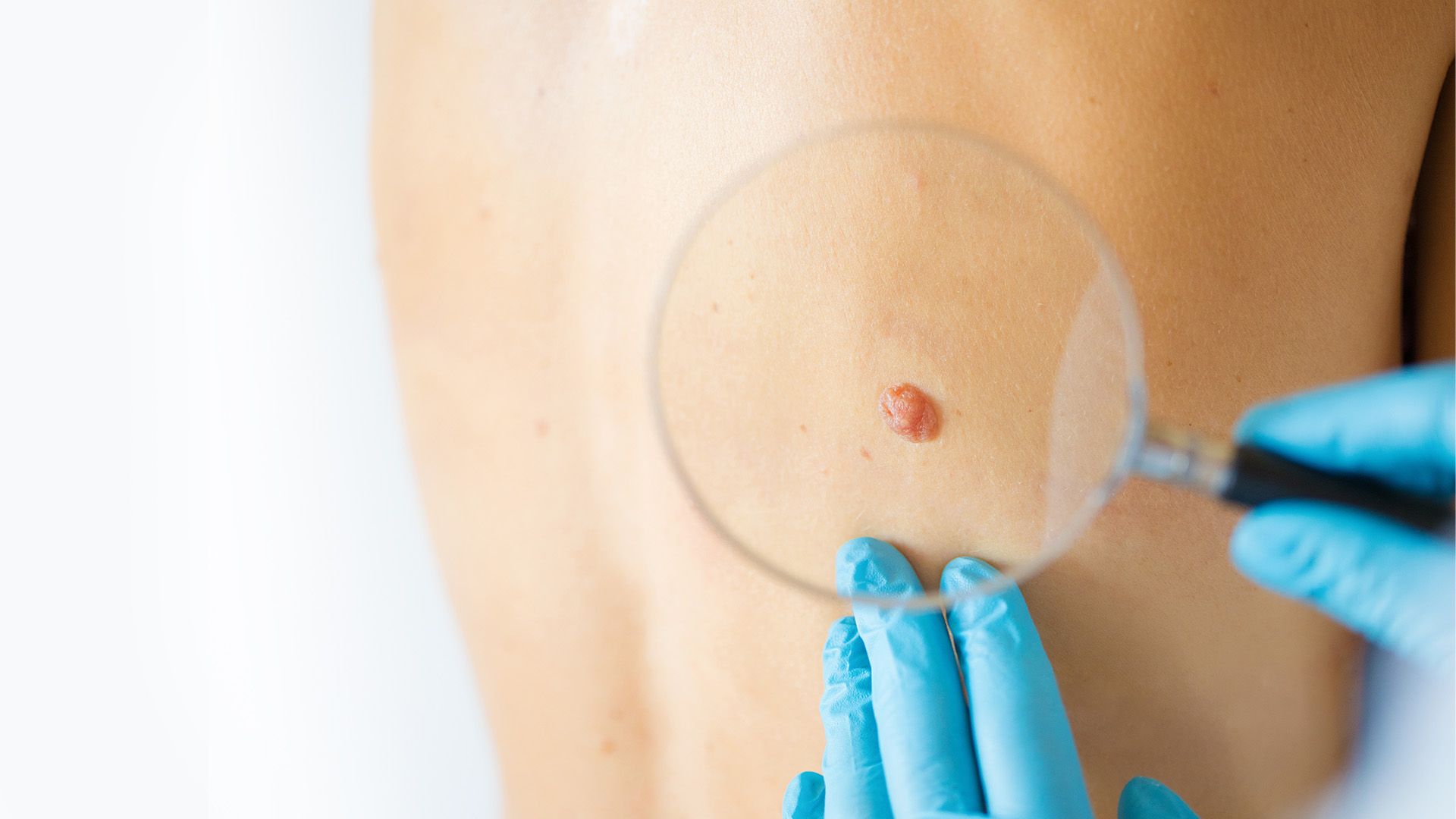
Oncologists urge skin cancer screening and prevention
This SunSmart Skin Cancer Awareness Month, two clinical oncologists practising at Netcare Alberton Hospital highlight the importance of sun protection and regular screening in South Africa’s sunny climate, focusing on melanoma awareness.
Skin cancer is the most common type of cancer in South Africa. The main types of skin cancer are squamous cell carcinoma, basal cell carcinoma and melanoma.
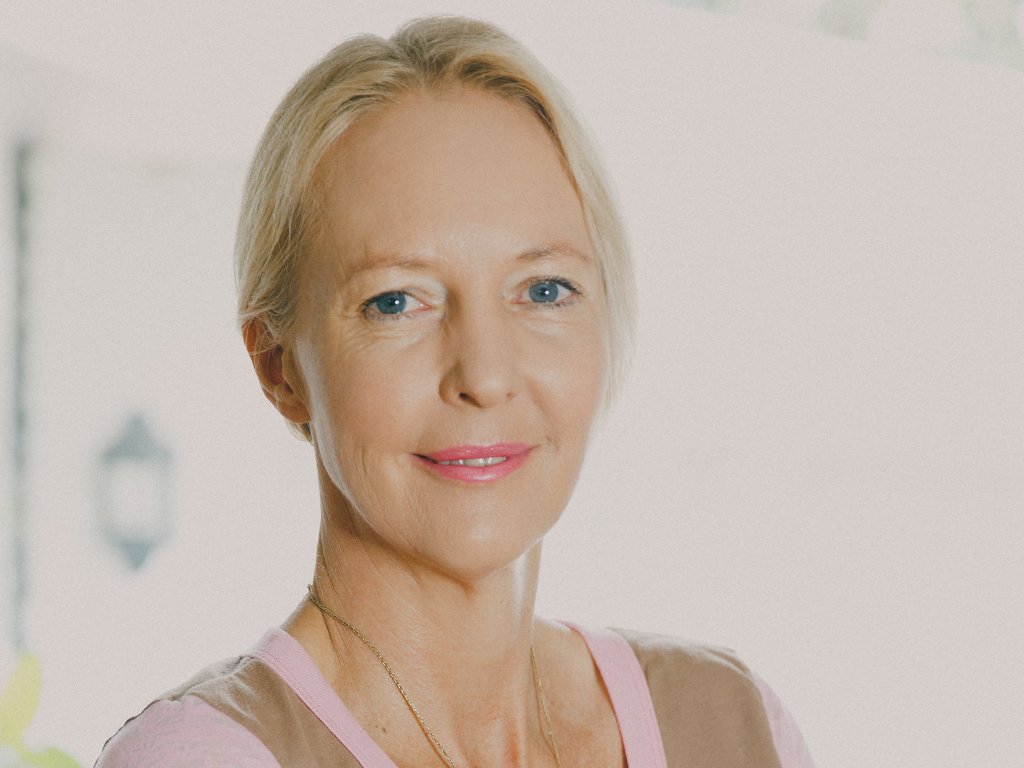
“It’s been estimated that South Africa receives 2 500 hours of sunshine on average a year, and being an outdoors-loving nation this unfortunately comes with heightened risk of skin cancer,” says Dr Sylvia Rodrigues.
“Although not all skin cancers are attributable to sun exposure, even occasional sunburn can increase a person’s risk for developing these types of cancer.”
The skin is the body's largest organ. It protects against heat, sunlight, injury and infection. The skin has several layers, but the two main layers are the epidermis (the top or outer layer) and the dermis (the lower or inner layer). Skin cancer begins in the epidermis, which is made up of three kinds of cells: squamous cells, basal cells and melanocytes.
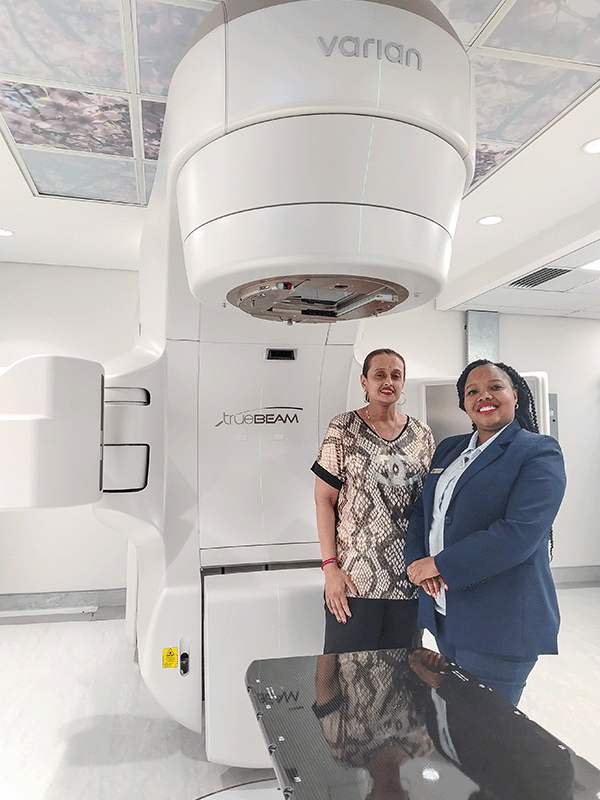
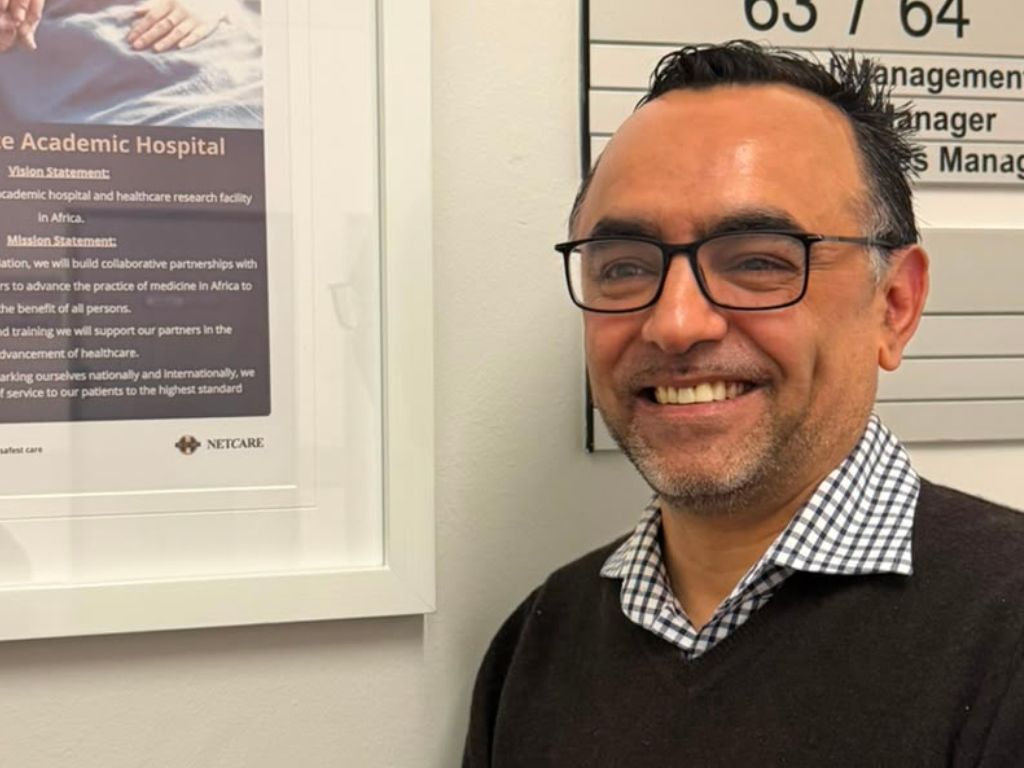
Clinical oncologist Dr Karen Motilall with Netcare Alberton Hospital radiation therapy unit manager Busi Mzelem.
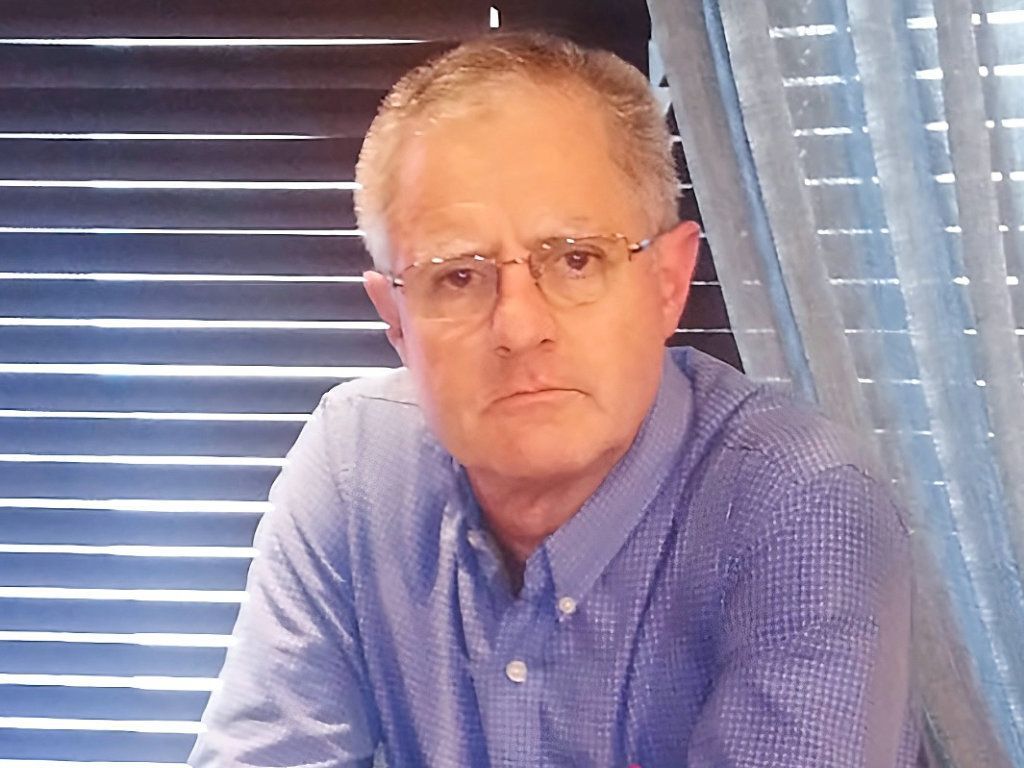
“Cancers that originate in the cells of the skin are known as skin cancers, although some types can spread to other parts of the body and have potentially severe effects if they remain undiagnosed and untreated,” says Dr Karen Motilall.
“Melanoma, which originates in the melanocytes or pigment-producing skin cells, is often regarded as the most dreaded form of skin cancer because of how quickly it can spread, or metastasise. Although exposure to the sun’s ultraviolet rays has a role in skin cancer, melanoma in particular is associated with a strong genetic or family risk – although this may not always be present,” she explains.
Melanoma often looks like a mole or a new growth on the skin with an uneven form. It might be dark or light, presenting in various colours from skin tone, pink, red, black, purple, blue, or white. The mole or lesion may also be multicoloured and could have an asymmetrical shape. Other signs to watch for include a mole that scales, oozes, bleeds, itches or other changes in sensation or appearance.
Dr Rodrigues points out that while people with fairer skin are generally more prone to melanoma, those with darker skin are at higher risk of acral lentiginous melanoma (ALM), an especially aggressive form of melanoma that usually appears as a mark on the palms of the hands or soles of the feet, or under a nail.
“The key is not to wait if you notice a new mark on your skin or a change in one of your moles – rather book an appointment with your GP or dermatologist as soon as possible before it can spread. Better yet, make regular mole mapping part of your annual health routine for peace of mind,” Dr Rodrigues advises.
“Although there is more we can do to treat and manage various kinds of skin cancer, prevention must always be the main priority. Protect yourself and your children from sun exposure, and discuss your individual risk for skin cancer, which may include family history and conditions such as albinism, with your healthcare practitioner, who can advise and monitor you more closely if needed.”
The integrated cancer care centre within Netcare Alberton Hospital offers a comprehensive diagnosis and treatment service, including surgery, chemotherapy and radiation therapy. An experienced multidisciplinary team provides professional, holistic care for each person’s individual needs.
“Depending on the type and stage of skin cancer diagnosed, we may recommend surgery, chemotherapy or radiotherapy, or a combination of these options to remove and reduce the cancerous cells both at the primary site and elsewhere if it has started to affect lymph nodes or other organs,” Dr Karen Motilall says.
“Given melanoma’s tendency to metastasise, radiation therapy is showing more promise for treating the spread of skin cancer cells within the body, described as stage four cancer. Using the Varian TrueBeam™ 4.0 linear accelerator, we are able to target the metastases with great accuracy, wherever they may be in the body, sparing nearby nerves, healthy tissue and critical structures from the effects of radiation,” she says.
“As oncologists, we really would like to encourage everyone to take steps to prevent skin cancer as far as possible, and protect themselves and their families against the harmful effects of sun exposure. As one of the most common types of cancer in our country, we need the power of public awareness to help improve outcomes and survival rates.”